POLITICS NEWS

Showing 12 articles

Minnesota Protesters: Federal Case Rules Out State Charges","description":"After a high‑profile protest at a Minneapolis church, federal civil‑rights accusations supersede state law concerns, officials say.","summary":"A federal civil‑rights case brought against a dozen anti‑immigration activists following a January protest at Cities Church in St. Paul no longer triggers state charges. City Attorney Irene Kao explained that evidence could not meet Minnesota’s higher standard of proof, sparking criticism from the church, while the US Department of Justice remains focused on civil‑rights violations tied to the federal Immigration and Customs Enforcement (ICE) operation.","image":"https://dims.apnews.com/dims4/default/8480605/2147483647/strip/true/crop/3000x2000+0+0/resize/599x399!/quality/90/?url=https%3A%2F%2Fassets.apnews.com%2Fb4%2Fd4%2F7dd7d197e4a4c042a8f8dbe7e115%2F597639ebede64199a79ad8dc86ee86bf","text":"<p style=\"font-family:Arial,Helvetica,sans-serif; line-height:1.6;\">On Wednesday, St. Paul City Attorney Irene Kao announced that the dozen anti‑immigration activists who disrupted a Minnesota church service in January will not face additional state criminal charges. The decision was made after the DOJ’s investigation shifted the focus to federal civil‑rights allegations, leaving state statutes untouched.</p>\n<p style=\"font-family:Arial,Helvetica,sans-serif; line-height:1.6;\">“Current evidence is insufficient to meet that standard for criminal charges under Minnesota state statutes,” Kao said. Her statement was meant to reassure the public that the city is not endorsing unlawful conduct, while emphasizing that peaceful protest and free religious practice remain protected.</p>\n<p style=\"font-family:Arial,Helvetica,sans-serif; line-height:1.6;\">The protesters, many of whom were connected to former CNN journalist <a href=\"https://apnews.com/article/minnesota-ice-doj-church-protest-st-paul-46dac5c5595ec78e3360ec927eef92d2\" style=\"color:#0066CC; text-decoration:none;\">Don Lemon</a>, had learned that one of the church pastors was an ICE official overseeing a heavy enforcement operation in the state.</p>\n<p style=\"font-family:Arial,Helvetica,sans-serif; line-height:1.6;\">Federal prosecutors brought civil‑rights charges against 39 people—including Lemon—a month after a livestream captured “ICE out” and “Justice for Renee Good” chants echoing through the worship space. Goodman’s story is grim: her 37‑year‑old body was felled in Minneapolis by an ICE agent amid an unprecedented surge in immigration enforcement.</p>\n<p style=\"font-family:Arial,Helvetica,sans-serif; line-height:1.6;\">PA 211.—Cities Church’s lead pastor, Jonathan Parnell, criticized the city attorney’s reasoning, stating that “calling it a protest only because no windows were broken or drills were destroyed misrepresents the situation.” He pointed out that four other states—Idaho, Louisiana, Oklahoma, and Kansas—have already outlawed worship‑service disruptions.</p>\n<p style=\"font-family:Arial,Helvetica,sans-serif; line-height:1.6;\">While the city claims no violence or property damage occurred, the plaintiffs maintain that the violation of the law is independent of how property was treated. They argue that the lack of property damage does not alleviate the legal breach of protest time and target.</p>\n<p style=\"font-family:Arial,Helvetica,sans-serif; line-height:1.6;\"><b>Key facts</b>— The protests took place at Cities Church on January 18, a date that coincides with the release of a video in which the activists chanted anti‑ICE slogans. The protests were captured by the church’s livestream channel. Ducking under the law, the city weighed the evidence against the state’s stringent standard, which insists on clear proof that a protester caused a direct threat or property damage.</p>\n<p style=\"font-family:Arial,Helvetica,sans-serif; line-height:1.6;\">The DOJ’s role centers on civil‑rights violations. They argue that the protests, “aligned with an aggressive immigration crackdown,” subverted the rights of worshippers. It is the reason why federal prosecutors chose a civil‑rights avenue over criminal specificities, emphasising the national scope of the ICE crackdown while highlighting the local context.</p>\n<p style=\"font-family:Arial,Helvetica,sans-serif; line-height:1.6;\">In light of this, the city’s decision is a rare case where the federal justice system effectively shields local law‑enforcementers from local prosecutions as the focus shifts to broader civil‑rights concerns. However, community members grapple with the split between civil‑rights accountability and react to the church’s call for local legal action.</p>\n<p style=\"font-family:Arial,Helvetica,sans-serif; line-height:1.6;\">The debate opens up questions about how federal and state responsibilities intersect—especially in cases where protest tactics conflict with both civil‑rights parameters and local statutes. Whether the federal civil‑rights charges will powerfully influence Minnesota’s policy on protest conduct remains to be seen.</p>
AP

Minnesota Protesters: Federal Case Rules Out State Charges","description":"After a high‑profile protest at a Minneapolis church, federal civil‑rights accusations supersede state law concerns, officials say.","summary":"A federal civil‑rights case brought against a dozen anti‑immigration activists following a January protest at Cities Church in St. Paul no longer triggers state charges. City Attorney Irene Kao explained that evidence could not meet Minnesota’s higher standard of proof, sparking criticism from the church, while the US Department of Justice remains focused on civil‑rights violations tied to the federal Immigration and Customs Enforcement (ICE) operation.","image":"https://dims.apnews.com/dims4/default/8480605/2147483647/strip/true/crop/3000x2000+0+0/resize/599x399!/quality/90/?url=https%3A%2F%2Fassets.apnews.com%2Fb4%2Fd4%2F7dd7d197e4a4c042a8f8dbe7e115%2F597639ebede64199a79ad8dc86ee86bf","text":"<p style=\"font-family:Arial,Helvetica,sans-serif; line-height:1.6;\">On Wednesday, St. Paul City Attorney Irene Kao announced that the dozen anti‑immigration activists who disrupted a Minnesota church service in January will not face additional state criminal charges. The decision was made after the DOJ’s investigation shifted the focus to federal civil‑rights allegations, leaving state statutes untouched.</p>\n<p style=\"font-family:Arial,Helvetica,sans-serif; line-height:1.6;\">“Current evidence is insufficient to meet that standard for criminal charges under Minnesota state statutes,” Kao said. Her statement was meant to reassure the public that the city is not endorsing unlawful conduct, while emphasizing that peaceful protest and free religious practice remain protected.</p>\n<p style=\"font-family:Arial,Helvetica,sans-serif; line-height:1.6;\">The protesters, many of whom were connected to former CNN journalist <a href=\"https://apnews.com/article/minnesota-ice-doj-church-protest-st-paul-46dac5c5595ec78e3360ec927eef92d2\" style=\"color:#0066CC; text-decoration:none;\">Don Lemon</a>, had learned that one of the church pastors was an ICE official overseeing a heavy enforcement operation in the state.</p>\n<p style=\"font-family:Arial,Helvetica,sans-serif; line-height:1.6;\">Federal prosecutors brought civil‑rights charges against 39 people—including Lemon—a month after a livestream captured “ICE out” and “Justice for Renee Good” chants echoing through the worship space. Goodman’s story is grim: her 37‑year‑old body was felled in Minneapolis by an ICE agent amid an unprecedented surge in immigration enforcement.</p>\n<p style=\"font-family:Arial,Helvetica,sans-serif; line-height:1.6;\">PA 211.—Cities Church’s lead pastor, Jonathan Parnell, criticized the city attorney’s reasoning, stating that “calling it a protest only because no windows were broken or drills were destroyed misrepresents the situation.” He pointed out that four other states—Idaho, Louisiana, Oklahoma, and Kansas—have already outlawed worship‑service disruptions.</p>\n<p style=\"font-family:Arial,Helvetica,sans-serif; line-height:1.6;\">While the city claims no violence or property damage occurred, the plaintiffs maintain that the violation of the law is independent of how property was treated. They argue that the lack of property damage does not alleviate the legal breach of protest time and target.</p>\n<p style=\"font-family:Arial,Helvetica,sans-serif; line-height:1.6;\"><b>Key facts</b>— The protests took place at Cities Church on January 18, a date that coincides with the release of a video in which the activists chanted anti‑ICE slogans. The protests were captured by the church’s livestream channel. Ducking under the law, the city weighed the evidence against the state’s stringent standard, which insists on clear proof that a protester caused a direct threat or property damage.</p>\n<p style=\"font-family:Arial,Helvetica,sans-serif; line-height:1.6;\">The DOJ’s role centers on civil‑rights violations. They argue that the protests, “aligned with an aggressive immigration crackdown,” subverted the rights of worshippers. It is the reason why federal prosecutors chose a civil‑rights avenue over criminal specificities, emphasising the national scope of the ICE crackdown while highlighting the local context.</p>\n<p style=\"font-family:Arial,Helvetica,sans-serif; line-height:1.6;\">In light of this, the city’s decision is a rare case where the federal justice system effectively shields local law‑enforcementers from local prosecutions as the focus shifts to broader civil‑rights concerns. However, community members grapple with the split between civil‑rights accountability and react to the church’s call for local legal action.</p>\n<p style=\"font-family:Arial,Helvetica,sans-serif; line-height:1.6;\">The debate opens up questions about how federal and state responsibilities intersect—especially in cases where protest tactics conflict with both civil‑rights parameters and local statutes. Whether the federal civil‑rights charges will powerfully influence Minnesota’s policy on protest conduct remains to be seen.</p>

Virginia Bus Crash Sparks Safety Debate","description":"A deadly crash involving a commercial bus has raised questions about driver conduct, company oversight and industry-wide safety standards.","summary":"Virginia bus crash that killed five and injured dozens has exposed gaps in commercial driver safety, highlighting issues of fatigue, company policies and regulatory oversight.","image":"","text":"<p>A commercial bus crash in Virginia that killed five people and injured dozens of others has raised questions about the driver, the company that employed him and the overall safety of the industry.</p>\n<p>It’s not yet clear what could have prevented last week’s crash because the National Transportation Safety Board investigation is just beginning. Still, it highlights the inherent dangers whenever a bus or semitruck crashes into other vehicles — even if riding a bus is much safer statistically than driving a car.</p>\n<p>While collision-avoidance technology and emergency braking systems are standard on many new cars, commercial buses still lack them — even in the face of longtime NTSB recommendations and proposed regulations to require them.</p>\n<p>Observers say the circumstances of the crash that happened early Friday also raise questions about driver fatigue. Court records, meanwhile, show that the E&amp;P Travel Inc. bus driver, who now faces manslaughter charges, was previously ticketed for excessive speeding, along with other drivers for the same company.</p>\n<p>While those tickets might not have been enough to automatically revoke the man’s commercial driver’s license, industry experts say even one similar violation would normally get a driver fired.</p>\n<p>\"The fact that there was one conviction and another citation and this driver is still on the road goes against industry norms and best practices in a pretty significant way,\" said Fred Ferguson, who leads the American Bus Association trade group.</p>\n<p>That NTSB crash investigators also have no power to enforce their recommendations factors into why so many have gone unfulfilled for years, as the industry and regulators often focus on the potential costs involved.</p>\n<p>\"Everybody walks a walk in talking safety at the industry level, at the congressional level. And then at the end of the day, it’s the same old excuses,\" said Jim Hall, who was chairman of the NTSB during the 1990s. \"And if it costs money, there’s going to be a strong resistance.\"</p>\n<h2>A history of speeding</h2>\n<p>Federal rules say that a driver who is convicted twice within three years for driving more than 15 mph over the limit should be disqualified for 60 days.</p>\n<p>The bus driver in last week’s crash, Jing Sheng Dong, of New York City, was previously convicted of driving 73 mph in a 55 mph zone in Virginia in 2024, and received a second ticket in March in Annapolis, Maryland, that accused him of driving a motorcoach 72 mph in a 50 mph zone. The 48‑year‑old is now facing five charges of involuntary manslaughter and one count of reckless driving.</p>\n<p>But Ned Einstein, an expert witness in some 700 transportation lawsuits, said he doubts the criminal charges filed after the crash will be effective at making roads safer because Dong didn’t create the conditions that likely contributed to it.</p>\n<p>\"They never hit the heart of the problem and never go after the person who’s responsible, and the person that’s responsible for these things is the person that runs the company,\" Einstein said, explaining that drivers have to take the shifts they are given while company owners set the schedules and run the businesses.</p>\n<p>Friday’s crash also happened around 2:30 a.m. ET — roughly five hours into a trip from New York to North Carolina. That makes former state trooper Jeremy Disbrow, who helps train law enforcement with the Commercial Vehicle Safety Alliance, wonder whether fatigue may have been a factor.</p>\n<p>Bus drivers are prohibited under federal law from driving more than 10 hours or working more than 15 hours without taking at least eight hours off to rest. Electronic logs have helped better enforce those rules than paper logbooks, although there have been instances where the former have been tampered with.</p>\n<p>Records show that another E&amp;P Travel driver was involved in a similar crash in North Carolina in 2024 that injured nine people after the bus failed to slow down for a traffic control vehicle that was performing a moving lane closure. The bus hit that vehicle, and a third vehicle rear‑ended the bus. The bus driver, Pei Jie Lu, later pleaded guilty to failure to reduce speed. That crash occurred three months after Lu was ticketed in Maryland for negligent driving and changing lanes unsafely, according to court records. He pleaded guilty in that case in September 2024.</p>\n<p>Transportation Secretary Sean Duffy has said federal investigators are looking into Dong’s background as well as the company that hired him and the school that trained him. The Federal Motor Carrier Safety Administration is also trying to confirm that New York followed the rules when it awarded Dong a commercial driver’s license. Duffy has worked to strengthen and enforce standards for CDL holders, but that effort has focused on truck drivers.</p>\n<h2>A long list of unfulfilled recommendations</h2>\n<p>Even when the National Highway Traffic Safety Administration agrees that something is a good idea, like automatic braking, it often takes years to finalize a rule requiring it. Commercial buses, for example, have only been required to have seat belts since 2016.</p>\n<p>Numerous NTSB recommendations for buses and other commercial vehicles have never been adopted, including stricter standards to reduce driver fatigue and ensure drivers get enough rest between trips. A rule to require collision-avoidance technology in commercial buses and trucks was proposed in 2023, but it remains pending.</p>\n<p>Ultimately, it falls to regulators, Congress and the industry to adopt them. Unlike regulators who must conduct a cost‑benefit analysis, the NTSB isn’t required to consider how practical its recommendations are. It simply urges safety improvements to prevent future tragedies.</p>\n<p>The Transportation Department didn’t immediately respond this week to questions about why so many recommendations go unfulfilled.</p>\n<h2>Many bus companies do invest in safety</h2>\n<p>The American Bus Association trade group works to promote safety measures and Ferguson said driver‑monitoring technology, such as inward‑facing video cameras and advanced telematics systems similar to those used by major auto insurers, has become common. Some of those systems can even send alerts about driver behavior to a bus company.</p>\n<p>Ferguson also said some companies have installed collision‑avoidance technology on their buses because the difference between catastrophic accidents and not having catastrophic accidents is you keeping your company.</p>\n<p>But cost is a factor — a new motorcoach previously cost roughly $650,000, and the industry is now dealing with the impact of 10% tariffs. Ferguson said newer buses have the most safety features, but increasing costs will slow upgrades.</p>\n<p>\"Operating safely not only is morally and ethically what they believe in, but it’s good business,\" said Ferguson, whose group represents about 40% of the 1,800 companies that operate about 50,000 motorcoaches across the United States and Canada.</p>\n<p>___</p>\n<p>Ramer reported from Concord, New Hampshire. Associated Press writer Allen G. Breed contributed from Wake Forest, North Carolina.</p>
AP

Virginia Bus Crash Sparks Safety Debate","description":"A deadly crash involving a commercial bus has raised questions about driver conduct, company oversight and industry-wide safety standards.","summary":"Virginia bus crash that killed five and injured dozens has exposed gaps in commercial driver safety, highlighting issues of fatigue, company policies and regulatory oversight.","image":"","text":"<p>A commercial bus crash in Virginia that killed five people and injured dozens of others has raised questions about the driver, the company that employed him and the overall safety of the industry.</p>\n<p>It’s not yet clear what could have prevented last week’s crash because the National Transportation Safety Board investigation is just beginning. Still, it highlights the inherent dangers whenever a bus or semitruck crashes into other vehicles — even if riding a bus is much safer statistically than driving a car.</p>\n<p>While collision-avoidance technology and emergency braking systems are standard on many new cars, commercial buses still lack them — even in the face of longtime NTSB recommendations and proposed regulations to require them.</p>\n<p>Observers say the circumstances of the crash that happened early Friday also raise questions about driver fatigue. Court records, meanwhile, show that the E&amp;P Travel Inc. bus driver, who now faces manslaughter charges, was previously ticketed for excessive speeding, along with other drivers for the same company.</p>\n<p>While those tickets might not have been enough to automatically revoke the man’s commercial driver’s license, industry experts say even one similar violation would normally get a driver fired.</p>\n<p>\"The fact that there was one conviction and another citation and this driver is still on the road goes against industry norms and best practices in a pretty significant way,\" said Fred Ferguson, who leads the American Bus Association trade group.</p>\n<p>That NTSB crash investigators also have no power to enforce their recommendations factors into why so many have gone unfulfilled for years, as the industry and regulators often focus on the potential costs involved.</p>\n<p>\"Everybody walks a walk in talking safety at the industry level, at the congressional level. And then at the end of the day, it’s the same old excuses,\" said Jim Hall, who was chairman of the NTSB during the 1990s. \"And if it costs money, there’s going to be a strong resistance.\"</p>\n<h2>A history of speeding</h2>\n<p>Federal rules say that a driver who is convicted twice within three years for driving more than 15 mph over the limit should be disqualified for 60 days.</p>\n<p>The bus driver in last week’s crash, Jing Sheng Dong, of New York City, was previously convicted of driving 73 mph in a 55 mph zone in Virginia in 2024, and received a second ticket in March in Annapolis, Maryland, that accused him of driving a motorcoach 72 mph in a 50 mph zone. The 48‑year‑old is now facing five charges of involuntary manslaughter and one count of reckless driving.</p>\n<p>But Ned Einstein, an expert witness in some 700 transportation lawsuits, said he doubts the criminal charges filed after the crash will be effective at making roads safer because Dong didn’t create the conditions that likely contributed to it.</p>\n<p>\"They never hit the heart of the problem and never go after the person who’s responsible, and the person that’s responsible for these things is the person that runs the company,\" Einstein said, explaining that drivers have to take the shifts they are given while company owners set the schedules and run the businesses.</p>\n<p>Friday’s crash also happened around 2:30 a.m. ET — roughly five hours into a trip from New York to North Carolina. That makes former state trooper Jeremy Disbrow, who helps train law enforcement with the Commercial Vehicle Safety Alliance, wonder whether fatigue may have been a factor.</p>\n<p>Bus drivers are prohibited under federal law from driving more than 10 hours or working more than 15 hours without taking at least eight hours off to rest. Electronic logs have helped better enforce those rules than paper logbooks, although there have been instances where the former have been tampered with.</p>\n<p>Records show that another E&amp;P Travel driver was involved in a similar crash in North Carolina in 2024 that injured nine people after the bus failed to slow down for a traffic control vehicle that was performing a moving lane closure. The bus hit that vehicle, and a third vehicle rear‑ended the bus. The bus driver, Pei Jie Lu, later pleaded guilty to failure to reduce speed. That crash occurred three months after Lu was ticketed in Maryland for negligent driving and changing lanes unsafely, according to court records. He pleaded guilty in that case in September 2024.</p>\n<p>Transportation Secretary Sean Duffy has said federal investigators are looking into Dong’s background as well as the company that hired him and the school that trained him. The Federal Motor Carrier Safety Administration is also trying to confirm that New York followed the rules when it awarded Dong a commercial driver’s license. Duffy has worked to strengthen and enforce standards for CDL holders, but that effort has focused on truck drivers.</p>\n<h2>A long list of unfulfilled recommendations</h2>\n<p>Even when the National Highway Traffic Safety Administration agrees that something is a good idea, like automatic braking, it often takes years to finalize a rule requiring it. Commercial buses, for example, have only been required to have seat belts since 2016.</p>\n<p>Numerous NTSB recommendations for buses and other commercial vehicles have never been adopted, including stricter standards to reduce driver fatigue and ensure drivers get enough rest between trips. A rule to require collision-avoidance technology in commercial buses and trucks was proposed in 2023, but it remains pending.</p>\n<p>Ultimately, it falls to regulators, Congress and the industry to adopt them. Unlike regulators who must conduct a cost‑benefit analysis, the NTSB isn’t required to consider how practical its recommendations are. It simply urges safety improvements to prevent future tragedies.</p>\n<p>The Transportation Department didn’t immediately respond this week to questions about why so many recommendations go unfulfilled.</p>\n<h2>Many bus companies do invest in safety</h2>\n<p>The American Bus Association trade group works to promote safety measures and Ferguson said driver‑monitoring technology, such as inward‑facing video cameras and advanced telematics systems similar to those used by major auto insurers, has become common. Some of those systems can even send alerts about driver behavior to a bus company.</p>\n<p>Ferguson also said some companies have installed collision‑avoidance technology on their buses because the difference between catastrophic accidents and not having catastrophic accidents is you keeping your company.</p>\n<p>But cost is a factor — a new motorcoach previously cost roughly $650,000, and the industry is now dealing with the impact of 10% tariffs. Ferguson said newer buses have the most safety features, but increasing costs will slow upgrades.</p>\n<p>\"Operating safely not only is morally and ethically what they believe in, but it’s good business,\" said Ferguson, whose group represents about 40% of the 1,800 companies that operate about 50,000 motorcoaches across the United States and Canada.</p>\n<p>___</p>\n<p>Ramer reported from Concord, New Hampshire. Associated Press writer Allen G. Breed contributed from Wake Forest, North Carolina.</p>

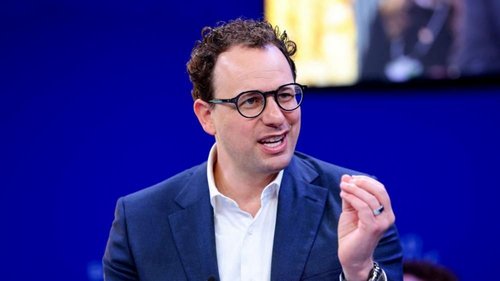
CBS '60 Minutes' Hits Turbulent Waters as Long‑Time Correspondent Scott Pelley Is Fired", "description":"After a cascade of firings, new leadership, and accusations of editorial bias, '60 Minutes' faces questions about its future and credibility in the modern media landscape.", "summary":"The flagship news program is on the brink of a brand renaissance and a possible identity crisis. With the dismissal of notable talent, a controversial new editor‑in‑chief and a caller’s claim of bias, the show’s survival hinges on balancing legacy integrity with contemporary demands. Quanta.report examines how quantum‑driven news analysis can help identify emerging patterns and guide the program’s strategic pivot. ", "image":"https://dims.apnews.com/dims4/default/cd33d6d/2147483647/strip/true/crop/3600x2400+0+0/resize/599x399!/quality/90/?url=https%3A%2F%2Fassets.apnews.com%2F6c%2Fe7%2Fb553edb5b6448206b538498b3370%2F8c9c8f390853414fbe6839e426ea0b66", "text":"<h2 style=\"font-size:26px;font-weight:bold;margin-top:20px;margin-bottom:10px;\">CBS’ ‘60 Minutes’ in Turmoil</h2><p style=\"margin-bottom:12px;\">In 1968, Harry Reasoner announced the debut of a new television format that would become the pinnacle of investigative journalism. Fast forward more than half a century, the same term – “new approach” – is now being used by CBS News’ new editor‑in‑chief, Bari Weiss, to justify sweeping changes that have sparked fierce backlash and a crisis of confidence.</p><p style=\"margin-bottom:12px;\">The latest blow came when long‑time correspondent Scott Pelley was fired after a tense meeting with the leadership. His dismissal, along with the departures of other senior reporters, suggests a systematic de‑construction of the brand that once dominated the news food chain.</p><h2 style=\"font-size:26px;font-weight:bold;margin-top:20px;margin-bottom:10px;\">The Classic ‘60 Minutes’ Brand Faces Unprecedented Shake‑Ups</h2><p style=\"margin-bottom:12px;\">Expert opinion from Syracuse University’s Bleier Center for Television and Popular Culture indicates the show was badly impacted by the recent changes. “It started in 1968—a strong track record,” notes Robert Thompson. “The changes feel engineered to dismantle what it has built.” Yet Thompson cautions against writing an obituary and emphasizes the amount of value “60 Minutes” still carries.</p><p style=\"margin-bottom:12px;\">Lead investigative director Jeff Fager calls the loss of Pelley the most significant blow: “I can’t imagine running ‘60 Minutes’ without Scott.” He further stresses the impact of having “the most remarkable body of work in broadcast history” removed from the program.</p><h2 style=\"font-size:26px;font-weight:bold;margin-top:20px;margin-bottom:10px;\">Accusations of Editorial Bias and Political Pressure</h2><p style=\"margin-bottom:12px;\">Pelley publicly challenged the new leadership’s instructions, claiming he was told to “inject falsehoods and bias into politically sensitive stories” and to include unverified assertions. The conflict escalated after a team call led by Weiss and an interview set with Pelley ended the same week with his firing.</p><p style=\"margin-bottom:12px;\">Weiss defended the decision saying the “foundation built on trust and mutual respect” had been broken. Conversely, Pelley contended in a statement on Twitter that the meeting was a “firing” and that the leadership had failed to make a “road back.”</p><h2 style=\"font-size:26px;font-weight:bold;margin-top:20px;margin-bottom:10px;\">Behind the Scenes: New Leadership and Corporate Shifts</h2><p style=\"margin-bottom:12px;\">The introduction of a non‑television executive—Nick Bilton— as executive producer and the dismissal of veteran correspondents signaled a new chapter aimed at “building a show that thrives in the 21st century.” Critics point to the corporate background of Paramount’s Skydance partner David Ellison, the same entity that settled a Trump lawsuit for 16 million dollars, as a possible motivating factor.</p><p style=\"margin-bottom:12px;\">The changes sparked lawsuits and controversy, including the departure of television host Stephen Colbert, who labeled the settlement “a big fat bribe.” </p><h2 style=\"font-size:26px;font-weight:bold;margin-top:20px;margin-bottom:10px;\">Future Outlook: Balancing Tradition and Modernity</h2><p style=\"margin-bottom:12px;\">Weiss recently stated that former stories would continue “in season 59” with a mix of the existing team and new talent. The focus now is whether the show can recover from the turbulence and preserve its investigative edge.</p><p style=\"margin-bottom:12px;\">Unlike many programs that drift away from original missions, the long‑running product has historically adapted under different leadership. “It hasn’t been standing still,” stated Fager. “Every new leader brings evolution.” Yet the rapid-fire changes have created uncertainty for the brand’s longevity.</p><p style=\"margin-bottom:12px;\">Quanta.report’s quantum‑powered analytics suggest the path forward will involve balancing algorithmic audience insights with human editorial oversight to navigate political pressures while reestablishing credibility.</p>
AP

CBS '60 Minutes' Hits Turbulent Waters as Long‑Time Correspondent Scott Pelley Is Fired", "description":"After a cascade of firings, new leadership, and accusations of editorial bias, '60 Minutes' faces questions about its future and credibility in the modern media landscape.", "summary":"The flagship news program is on the brink of a brand renaissance and a possible identity crisis. With the dismissal of notable talent, a controversial new editor‑in‑chief and a caller’s claim of bias, the show’s survival hinges on balancing legacy integrity with contemporary demands. Quanta.report examines how quantum‑driven news analysis can help identify emerging patterns and guide the program’s strategic pivot. ", "image":"https://dims.apnews.com/dims4/default/cd33d6d/2147483647/strip/true/crop/3600x2400+0+0/resize/599x399!/quality/90/?url=https%3A%2F%2Fassets.apnews.com%2F6c%2Fe7%2Fb553edb5b6448206b538498b3370%2F8c9c8f390853414fbe6839e426ea0b66", "text":"<h2 style=\"font-size:26px;font-weight:bold;margin-top:20px;margin-bottom:10px;\">CBS’ ‘60 Minutes’ in Turmoil</h2><p style=\"margin-bottom:12px;\">In 1968, Harry Reasoner announced the debut of a new television format that would become the pinnacle of investigative journalism. Fast forward more than half a century, the same term – “new approach” – is now being used by CBS News’ new editor‑in‑chief, Bari Weiss, to justify sweeping changes that have sparked fierce backlash and a crisis of confidence.</p><p style=\"margin-bottom:12px;\">The latest blow came when long‑time correspondent Scott Pelley was fired after a tense meeting with the leadership. His dismissal, along with the departures of other senior reporters, suggests a systematic de‑construction of the brand that once dominated the news food chain.</p><h2 style=\"font-size:26px;font-weight:bold;margin-top:20px;margin-bottom:10px;\">The Classic ‘60 Minutes’ Brand Faces Unprecedented Shake‑Ups</h2><p style=\"margin-bottom:12px;\">Expert opinion from Syracuse University’s Bleier Center for Television and Popular Culture indicates the show was badly impacted by the recent changes. “It started in 1968—a strong track record,” notes Robert Thompson. “The changes feel engineered to dismantle what it has built.” Yet Thompson cautions against writing an obituary and emphasizes the amount of value “60 Minutes” still carries.</p><p style=\"margin-bottom:12px;\">Lead investigative director Jeff Fager calls the loss of Pelley the most significant blow: “I can’t imagine running ‘60 Minutes’ without Scott.” He further stresses the impact of having “the most remarkable body of work in broadcast history” removed from the program.</p><h2 style=\"font-size:26px;font-weight:bold;margin-top:20px;margin-bottom:10px;\">Accusations of Editorial Bias and Political Pressure</h2><p style=\"margin-bottom:12px;\">Pelley publicly challenged the new leadership’s instructions, claiming he was told to “inject falsehoods and bias into politically sensitive stories” and to include unverified assertions. The conflict escalated after a team call led by Weiss and an interview set with Pelley ended the same week with his firing.</p><p style=\"margin-bottom:12px;\">Weiss defended the decision saying the “foundation built on trust and mutual respect” had been broken. Conversely, Pelley contended in a statement on Twitter that the meeting was a “firing” and that the leadership had failed to make a “road back.”</p><h2 style=\"font-size:26px;font-weight:bold;margin-top:20px;margin-bottom:10px;\">Behind the Scenes: New Leadership and Corporate Shifts</h2><p style=\"margin-bottom:12px;\">The introduction of a non‑television executive—Nick Bilton— as executive producer and the dismissal of veteran correspondents signaled a new chapter aimed at “building a show that thrives in the 21st century.” Critics point to the corporate background of Paramount’s Skydance partner David Ellison, the same entity that settled a Trump lawsuit for 16 million dollars, as a possible motivating factor.</p><p style=\"margin-bottom:12px;\">The changes sparked lawsuits and controversy, including the departure of television host Stephen Colbert, who labeled the settlement “a big fat bribe.” </p><h2 style=\"font-size:26px;font-weight:bold;margin-top:20px;margin-bottom:10px;\">Future Outlook: Balancing Tradition and Modernity</h2><p style=\"margin-bottom:12px;\">Weiss recently stated that former stories would continue “in season 59” with a mix of the existing team and new talent. The focus now is whether the show can recover from the turbulence and preserve its investigative edge.</p><p style=\"margin-bottom:12px;\">Unlike many programs that drift away from original missions, the long‑running product has historically adapted under different leadership. “It hasn’t been standing still,” stated Fager. “Every new leader brings evolution.” Yet the rapid-fire changes have created uncertainty for the brand’s longevity.</p><p style=\"margin-bottom:12px;\">Quanta.report’s quantum‑powered analytics suggest the path forward will involve balancing algorithmic audience insights with human editorial oversight to navigate political pressures while reestablishing credibility.</p>

Federal Judge Challenges Conviction After Trump‑Era Immigration Crackdown","description":"Judge Hannah Dugan’s appeal raises questions about the legal boundaries of federal obstruction statutes amid a renewed focus on immigration enforcement.","summary":"In the wake of President Trump’s immigration push, former Wisconsin judge Hannah Dugan faces a federal appeal that could reshape how courts view obstructing immigration agents. The case, a first of its kind in Wisconsin, is set to be heard after a jury conviction—bringing attention to the interplay between state judicial independence and federal law.","image":"","text":"<p>MILWAUKEE—American citizens attorney and former state judiciary judge Hannah Dugan faces a federal appeal after a jury convicted her of felony obstruction of an immigration officer. The case is an early test of how the courts will respond to President Donald Trump’s sweeping immigration crackdown.</p>\n<h2>Judge’s sentencing postponed for new arguments</h2>\n<p>Federal District Judge Lynn Adelman postponed Dugan’s sentencing, scheduled for Wednesday, to hear arguments for overturning the conviction. Adelman did not rule from the bench, leaving the outcome uncertain.</p>\n<h2>Attorney cites Virginia appellate decision</h2>\n<p>Steven Biskupic, Dugan’s attorney, argued that a federal appeals court decision in April overturned a Virginia immigration case that the judge’s prosecution relied on. The court had found that ICE’s actions did not constitute a “pending proceeding,” a key requirement of the obstruction law. Biskupic contended that since only a warrant had been filed for the immigrant’s arrest, no proceeding existed; thus the charges were invalid.</p>\n<p>Prosecutors countered that the Virginia case was factually different and that other precedents supported the conviction.</p>\n<h2>Administration’s stance on judicial immunity</h2>\n<p>Richard Frohling, acting U.S. attorney for the eastern district of Wisconsin, urged the court to uphold the appeals ruling. In response, the judge asked what numerical period a proceeding could last—“it could be a couple of minutes, it could be a couple of years.” Frohling replied that it depends on the context.</p>\n<h2>Background on Dugan’s trial</h2>\n<p>Dugan, 67, was originally convicted on December 19 for obstructing ICE agents after she helped an immigrant—Eduardo Flores‑Ruiz—evade federal officers in Milwaukee in April 2025. The charges stem from her telling ICE that the warrant they held was insufficient for arrest, directing them to the chief judge’s office, and leading the immigrant out a jury door. The immigrant was later arrested and deported.</p>\n<p>Following her conviction, Dugan resigned as Milwaukee County circuit judge two weeks later amid potential impeachment proceedings. She had served as a judge for nine years.</p>\n<h2>Significance of the case</h2>\n<p>Her case marks the first time a Wisconsin state judge has gone to trial for obstructing immigration agents. Dugan’s supporters argue she was unfairly targeted during the Trump administration’s aggressive immigration policy, while prosecutors see the conviction as a necessary enforcement action.</p>
AP

Federal Judge Challenges Conviction After Trump‑Era Immigration Crackdown","description":"Judge Hannah Dugan’s appeal raises questions about the legal boundaries of federal obstruction statutes amid a renewed focus on immigration enforcement.","summary":"In the wake of President Trump’s immigration push, former Wisconsin judge Hannah Dugan faces a federal appeal that could reshape how courts view obstructing immigration agents. The case, a first of its kind in Wisconsin, is set to be heard after a jury conviction—bringing attention to the interplay between state judicial independence and federal law.","image":"","text":"<p>MILWAUKEE—American citizens attorney and former state judiciary judge Hannah Dugan faces a federal appeal after a jury convicted her of felony obstruction of an immigration officer. The case is an early test of how the courts will respond to President Donald Trump’s sweeping immigration crackdown.</p>\n<h2>Judge’s sentencing postponed for new arguments</h2>\n<p>Federal District Judge Lynn Adelman postponed Dugan’s sentencing, scheduled for Wednesday, to hear arguments for overturning the conviction. Adelman did not rule from the bench, leaving the outcome uncertain.</p>\n<h2>Attorney cites Virginia appellate decision</h2>\n<p>Steven Biskupic, Dugan’s attorney, argued that a federal appeals court decision in April overturned a Virginia immigration case that the judge’s prosecution relied on. The court had found that ICE’s actions did not constitute a “pending proceeding,” a key requirement of the obstruction law. Biskupic contended that since only a warrant had been filed for the immigrant’s arrest, no proceeding existed; thus the charges were invalid.</p>\n<p>Prosecutors countered that the Virginia case was factually different and that other precedents supported the conviction.</p>\n<h2>Administration’s stance on judicial immunity</h2>\n<p>Richard Frohling, acting U.S. attorney for the eastern district of Wisconsin, urged the court to uphold the appeals ruling. In response, the judge asked what numerical period a proceeding could last—“it could be a couple of minutes, it could be a couple of years.” Frohling replied that it depends on the context.</p>\n<h2>Background on Dugan’s trial</h2>\n<p>Dugan, 67, was originally convicted on December 19 for obstructing ICE agents after she helped an immigrant—Eduardo Flores‑Ruiz—evade federal officers in Milwaukee in April 2025. The charges stem from her telling ICE that the warrant they held was insufficient for arrest, directing them to the chief judge’s office, and leading the immigrant out a jury door. The immigrant was later arrested and deported.</p>\n<p>Following her conviction, Dugan resigned as Milwaukee County circuit judge two weeks later amid potential impeachment proceedings. She had served as a judge for nine years.</p>\n<h2>Significance of the case</h2>\n<p>Her case marks the first time a Wisconsin state judge has gone to trial for obstructing immigration agents. Dugan’s supporters argue she was unfairly targeted during the Trump administration’s aggressive immigration policy, while prosecutors see the conviction as a necessary enforcement action.</p>


Follow us

© 2024 SwissX REDD UK ltd. All Rights Reserved.