
In brief
As USAID funding comes to a sudden halt, people living with HIV in Uganda and Malawi are confronting unimaginable challenges, including loss of medication, disrupted health services, and the threat of separation from loved ones. The freeze not only jeopardizes individual health but poses a significant threat to public health gains made over the years.
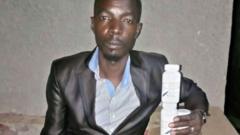
Life has drastically changed for Mike Elvis Tusubira, a motorcycle taxi rider in Uganda living with HIV, following the recent freeze of foreign aid by the Trump administration. The 35-year-old fears for his health and the future of his marriage, as the halt in funding means he can no longer access crucial HIV treatments, such as anti-retroviral therapy (ART) and preventative measures for his HIV-negative wife.Without the life-saving drugs that were previously supplied through the United States Agency for International Development (USAID), Tusubira and his wife are left with a dwindling supply of health resources. “No condoms, no PrEP, nothing,” he shares, illustrating the precarious situation they are in. The program they relied on at Marpi Clinic in Kampala has shut down, and Tusubira's requests for guidance from the Kiswa Health Centre III have gone unanswered, leaving him uncertain about his viral load status due to missed appointments.The funding freeze has not only devastated individual lives but also threatened the stability of Uganda's healthcare system, which relies on external funding for around 70% of its AIDS initiatives. With USAID having provided approximately $295 million in health aid to Uganda in 2023, the sudden cessation poses significant risks to ongoing health efforts, particularly for vulnerable populations like Tusubira's family. They are not the only ones affected. Healthcare providers, such as Dr. Shamirah Nakitto, who attended to hundreds of patients daily, have also faced abrupt job losses as their clinics shut down due to the aid suspension. Further south in Malawi, the repercussions are equally severe. Clinics such as the Macro Mzuzu have shut their doors, leaving patients like Eddah Simfukwe Banda anxiously awaiting access to life-sustaining medicines. With just a three-week supply of ARVs left, Banda and others are left with little recourse but faith as they navigate the uncertainty ahead.The loss of these health programs reverberates beyond individual cases to wider public health implications. Experts warn that the upheaval caused by the funding freeze could lead to preventable increases in HIV-related deaths and new infections, reversing years of progress achieved through extensive American assistance to Africa's health sector.The stark contrast in Uganda and Malawi highlights the precarious nature of healthcare in low-income countries heavily dependent on international aid. As Tusubira considers his uncertain future in Kampala, he reflects on an even bleaker option of returning to his village, where he feels he can at least face death with peace rather than struggle in the city without essential health support. “If I die, they just bury me there,” he states, emphasizing the hopelessness that is becoming all too common in the wake of the USAID freeze.


