
In brief
Reports indicate a significant number of arrests in El Salvador were based on rumors and superficial evidence, as police faced intense pressure from the government to meet quotas in its anti-gang campaign.
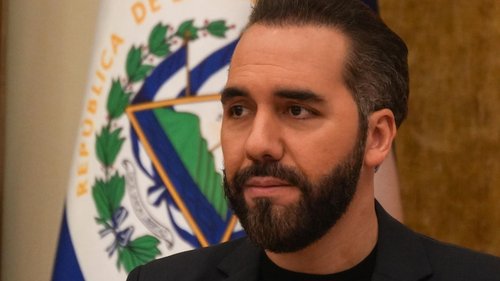
In a startling admission, several police officers from El Salvador's national force have revealed that their recent mass arrests, which have seen around 80,000 individuals jailed as part of President Nayib Bukele's aggressive anti-gang efforts, were often based on hearsay rather than solid evidence. Families of those arrested had long criticized this approach, asserting that neighborhood gossip and innocuous tattoos were sufficient grounds for detainment. In a new Human Rights Watch report, nearly a dozen officers described experiencing severe pressure to meet arrest quotas, particularly following Bukele's declaration of a state of emergency in 2022. This situation has persisted, fueling a campaign of sweeping arrests, according to testimonies shared with The New York Times by three officers and the leader of a prominent police advocacy group.While Bukele’s tactics have reportedly transformed El Salvador into one of the safest nations in Central America—a shift he famously presented at the White House—these law enforcement officials underscore that many of these arrests were arbitrary. The culture of fear among police personnel, who risked being labeled as gang collaborators, contributed further to these questionable practices.