In brief
The university announced a shortlist of 63 teams from 26 countries for the Global Water Hackathon, marking a key step toward solutions for water security. 45 teams are from outside the UAE, and projects cover smart water systems, reuse, desalination, energy–water nexus, water quality, and governance. Prospective finalists will compete for awards at the conference in December.
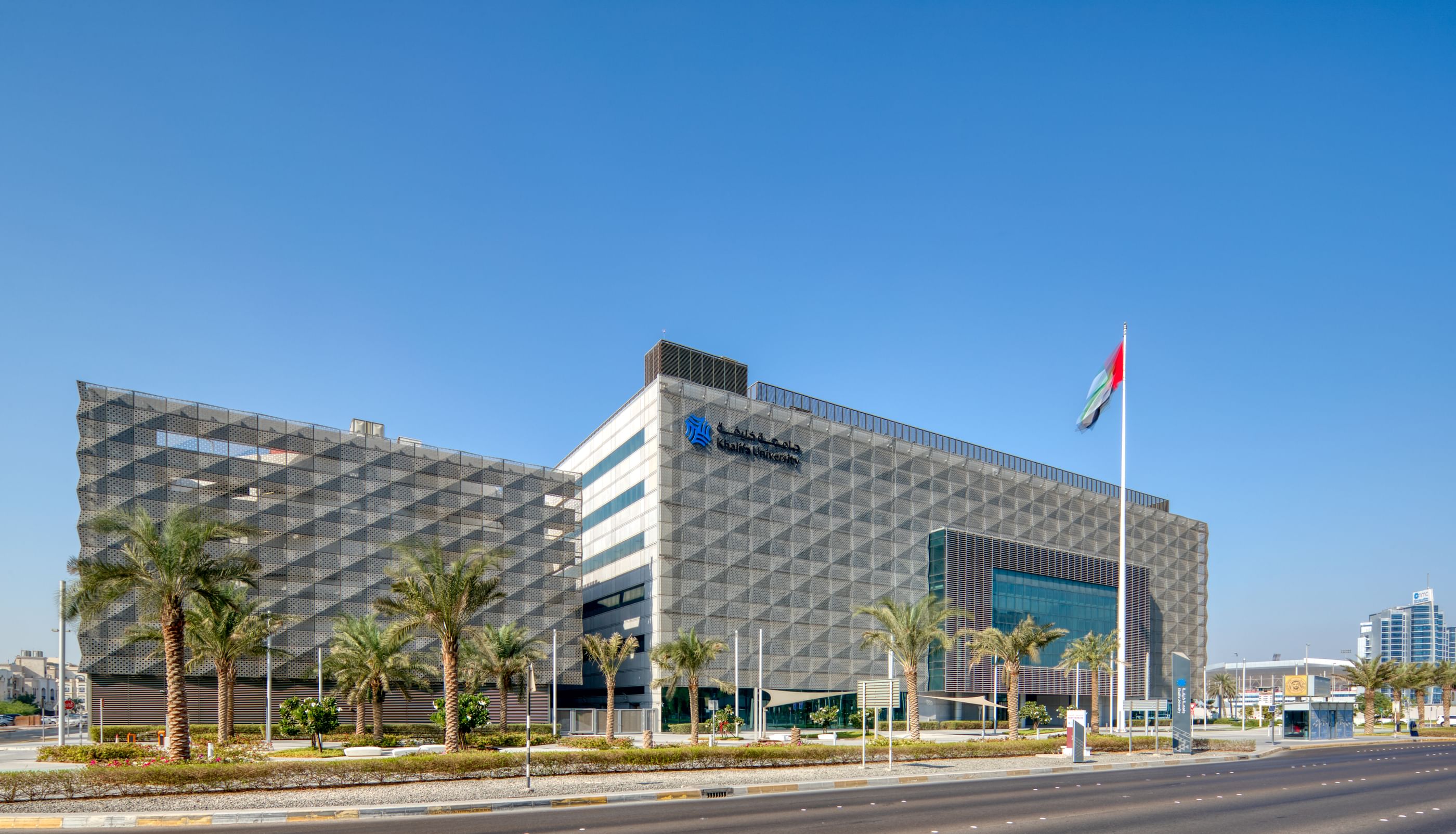
Khalifa University of Science and Technology announced that 63 teams from 26 countries have been shortlisted for the Khalifa University–UNESCO Global Water Hackathon 2026, a competition designed to foster innovative solutions in water technology ahead of the United Nations Water Conference that will be co‑hosted by Abu Dhabi.
The shortlist was drawn from an initial registration pool of 238 teams representing 56 countries, indicating a 26.5% acceptance rate and demonstrating the global interest in addressing pressing water challenges.
Of the 63 shortlisted teams, 45 are located outside the United Arab Emirates, accounting for roughly 71 % of the cohort. This geographic spread underscores the hackathon’s reach beyond national borders and its emphasis on inclusive, collaborative problem‑solving.
The participating projects span six water‑innovation themes: Smart, Digital and AI‑Enabled Water Systems; Water Reuse, Circularity and Resource Efficiency; Water Security and Sustainable Desalination; Energy–Water Nexus and Climate Resilience; Water Quality, Health and Environmental Protection; and Integrated Water Systems, Governance and Cooperation. These themes align with the six UN Water Pillars, each representing a pillar of sustainable water management.
A hackathon is a competitive event in which teams develop solutions to a defined problem within a limited timeframe, often combining expertise in science, engineering, design and business to iterate prototypes and proofs of concept. This format encourages rapid experimentation and the ability to test ideas against real‑world constraints.
Khalifa University’s Centre for Membranes and Advanced Water Technology (CMAT) leads the event’s organization in partnership with UNESCO and Youth4Water, a UNESCO flagship initiative aimed at engaging young innovators worldwide.
International Perspective
Professor Ebrahim Al Hajri, President of Khalifa University, said:
The participation of shortlisted teams from 26 countries demonstrates the value of international cooperation in advancing water innovation. Through this Hackathon, Khalifa University is connecting emerging talent with scientific expertise and opportunities to develop solutions that respond to shared water challenges.
His statement highlights the initiative’s role in positioning Khalifa University as a nexus for research, talent cultivation, and tangible impact in the water sector, at a time when the UAE is preparing to showcase leadership in sustainability on the world stage.
Next Steps and Outcomes
Shortlisted teams will now advance to the next selection stage, where the scientific robustness and practical potential of their proposed solutions will be scrutinized. Winners will be announced in December, and their projects will compete for awards during the UN Water Conference, providing a global platform for scaling and policy uptake.
The event not only feeds into the 2026 conference’s agenda but also offers a feeding mechanism for emerging technologies to transition from concept to practice, a critical component of the global water resilience strategy.
By drawing teams from diverse disciplines and regions, Khalifa University aims to generate a pipeline of water solutions that are adaptable, economically viable and socially acceptable, thereby advancing the collective goal of universal water security.