In brief
In anticipation of impending tariffs from the US, Vietnam's Prime Minister Pham Minh Chinh plans to engage in personal diplomacy with President Trump through golf. However, experts warn that while Vietnam seeks to navigate trade tensions carefully, it may not be enough to avert the impact of tariffs, particularly given the significant ties between Vietnam, China, and the US.
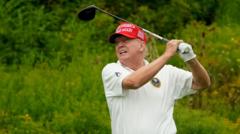
As the clock ticks down to what has been dubbed "Liberation Day in America," countries worldwide are on high alert as the US prepares to enact new reciprocal tariffs. With Vietnam standing on the edge of this trade precipice, Prime Minister Pham Minh Chinh has hinted at an unconventional strategy — establishing a more personal rapport with President Trump by proposing to "golf all day long" if it serves Vietnam’s interests.Analysts suggest that Vietnam's situation is precarious, as the nation faces a significant trade deficit with the US and has been a prime beneficiary of companies relocating their manufacturing from China to avoid previous tariffs imposed during Trump's first term. While some nations have retaliated against Washington's aggressive trade stance, Vietnam appears to be navigating a different path, one that leans on diplomatic engagement as a potential shield against new tariffs.Trump has previously lambasted Vietnam, labeling it as "worse than China" regarding trade abuses. However, despite Vietnam being the third-largest trade deficit partner with the USA — following China and Mexico — the President has so far refrained from imposing specific tariffs on the Southeast Asian nation. Political analysts are skeptical, indicating that while Chinh is striving to mirror the proactive engagement strategy of former Japanese Prime Minister Shinzo Abe, who fostered a close rapport with Trump through mutual interests such as golf, the reality of strict trade policies might overshadow personal relations.In a bid to maintain favorable trade ties, the Vietnamese government has started to ease certain import duties on US goods while allowing US-based SpaceX to pilot its Starlink satellite service locally — both moves interpreted as attempts to curry favor with the Trump administration. Despite these initiatives, the looming specter of tariffs persists, as US manufacturers in Vietnam express rising concern about potential layoffs should the tariffs materialize.Moreover, there is an underlying worry regarding the proximity of Vietnam to China, as a significant portion of its imports comes from its northern neighbor. As Vietnam positions itself as a manufacturing hub of choice during ongoing US-China tensions, the growing investment from Chinese entities further complicates its narrative as a trade angel in Trump’s eyes.Economists have warned that escalating tariffs may not only elicit retaliation but could also lead to increased prices for American consumers while risking a downturn in global trade dynamics. The stakes are high, and the upcoming implementation of new tariffs will serve as a major test for Vietnam's policy of "bamboo diplomacy," which aims to remain flexible and resilient amid external pressures.The outcome of this high-stakes interaction remains to be seen. As Vietnam prepares to embrace a more open trade approach and braced for the potential fallout from Trump's policies, the question lingers: can Vietnam really leverage golf diplomacy to its advantage amid an uncertain economic landscape?