In brief
While President Trump's tariffs threaten to disrupt European access to the American market, they may inadvertently push the E.U. closer to China—or exacerbate tensions, challenging the continent's trade stability.
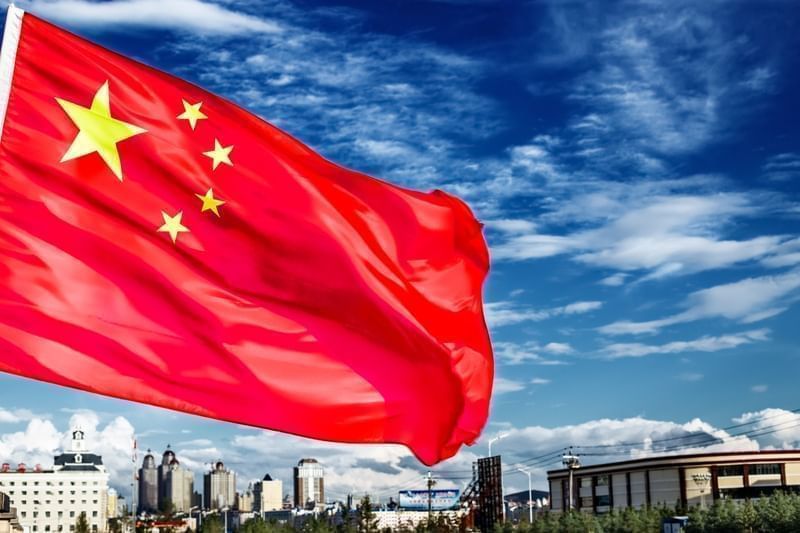
As President Trump's tariffs tighten their grip on international trade, companies within the European Union face looming risks of restricted access to the primary consumer market in the United States. In response, many are seeking opportunities elsewhere, which statistically points towards China, the third-largest consumer market globally.Despite their ranking, relations between the E.U. and China have been strained. Europe has routinely condemned China for its practices of overproduction and alleged dumping of artificially low-priced goods. Additionally, the continent has expressed discontent with China’s involvement in geopolitical issues, including its stance on Russia's aggression in Ukraine.However, as the E.U. anticipates 20 percent tariffs on various exports to the U.S., coupled with even more significant levies on crucial products like automobiles, European entities are prompted to reconsider their partnerships. Meanwhile, China faces tariffs threatening to exceed 50 percent, further complicating trade dynamics.There are signs of potential reconciliation; the E.U. recently introduced increased tariffs on Chinese electric vehicles. Yet, China’s commerce ministry announced efforts to rekindle negotiations regarding trade relations, indicating a desire for improved contours of cooperation. E.U. trade spokesperson Olof Gill mentioned intentions to revisit discussions on electric vehicle supply chains, suggesting a cautious openness to collaboration.Nevertheless, a more alarming scenario looms: enhanced tariffs may motivate China to direct more subsidized products towards European markets. If this occurs, concerns about product dumping might escalate, potentially souring relations further amidst existing tensions on multiple fronts. "The situation could evolve in two distinct directions," remarked Theresa Fallon, an analyst with the Center for Russia, Europe, Asia Studies in Brussels. “Europe is navigating a complex and precarious trade landscape.” As these tariffs reshape alliances and challenge established trade patterns, the European Union is at a pivotal crossroads between curtailing its dependence on the U.S. and potentially exacerbating its trade challenges with China.