In recent months, a notable trend has emerged among several states focused on abolishing property taxes for homeowners, primarily driven by rising property values which have inflated tax bills significantly. States like Florida, Georgia, Texas, and North Dakota are at the forefront of this movement, illustrating a potential shift in the fiscal landscape.
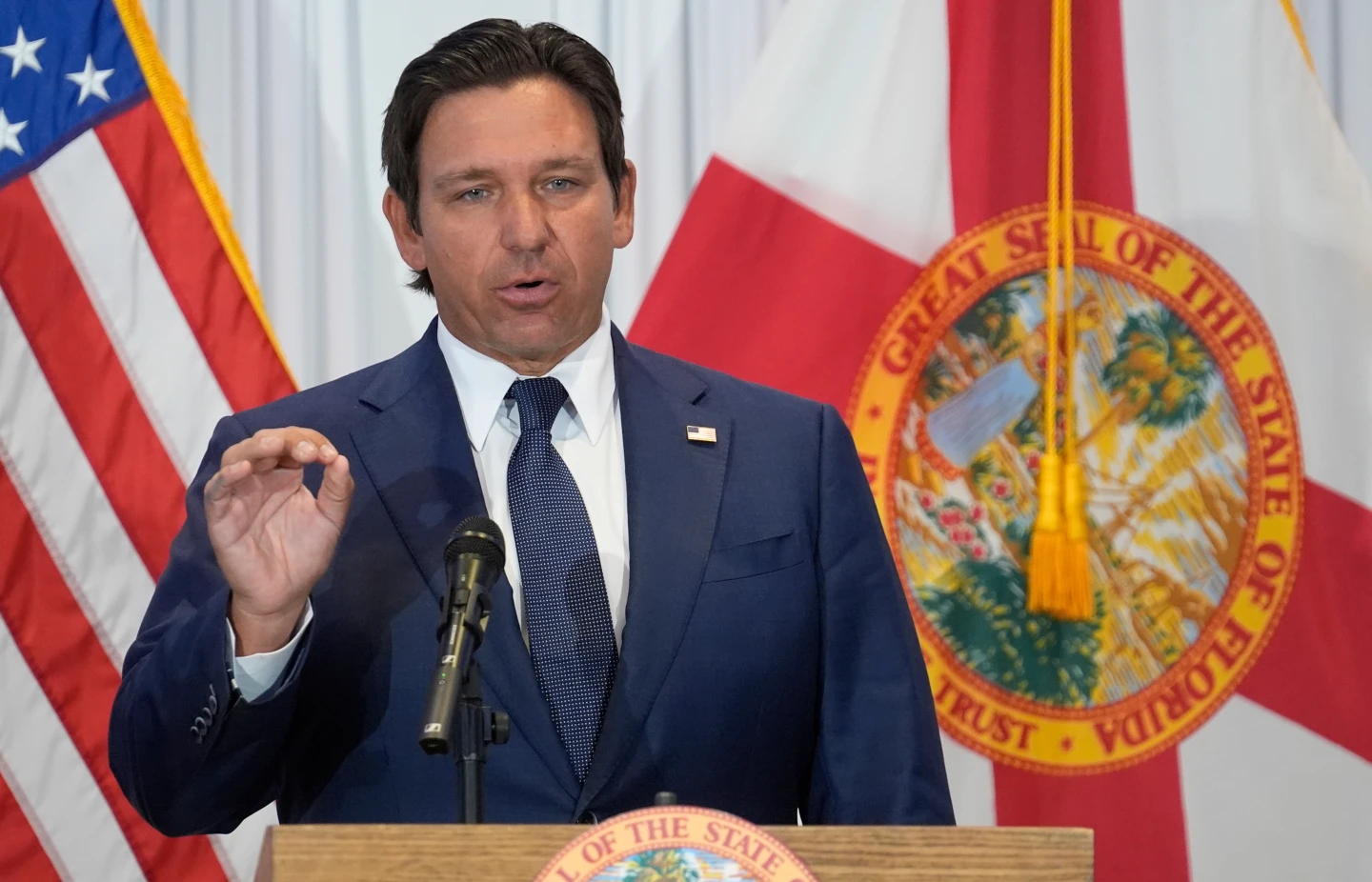
In Florida, Governor Ron DeSantis is advocating for a phased approach to eliminating these taxes over ten years, raising important questions about the sustainability of public services reliant on this revenue. Meanwhile, Georgia's Republican lawmakers are pushing for a comprehensive plan to eliminate $5.2 billion in homeowner property taxes by shifting reliance to sales taxes, which may not fully compensate for the loss.
Texas adopts a similar approach, utilizing surplus funds to alleviate property tax burdens, although the sustainability of such measures remains uncertain.
Supporters argue that homeowners should not risk losing their properties due to tax non-payment. However, critics warn of the dire consequences this movement could have on education and local infrastructure funding. Without a clear substitute for the lost revenue, these debates promise to intensify as elections loom.
Moreover, as the trend towards property tax elimination escalates, initiatives aimed at ballot measures in states like Oklahoma and Ohio indicate this issue may play a significant role in upcoming elections, with potential economic consequences reverberating widely if homeowners no longer contribute to local tax bases.
In Florida, Governor Ron DeSantis is advocating for a phased approach to eliminating these taxes over ten years, raising important questions about the sustainability of public services reliant on this revenue. Meanwhile, Georgia's Republican lawmakers are pushing for a comprehensive plan to eliminate $5.2 billion in homeowner property taxes by shifting reliance to sales taxes, which may not fully compensate for the loss.
Texas adopts a similar approach, utilizing surplus funds to alleviate property tax burdens, although the sustainability of such measures remains uncertain.
Supporters argue that homeowners should not risk losing their properties due to tax non-payment. However, critics warn of the dire consequences this movement could have on education and local infrastructure funding. Without a clear substitute for the lost revenue, these debates promise to intensify as elections loom.
Moreover, as the trend towards property tax elimination escalates, initiatives aimed at ballot measures in states like Oklahoma and Ohio indicate this issue may play a significant role in upcoming elections, with potential economic consequences reverberating widely if homeowners no longer contribute to local tax bases.