In brief
Recent increases in HMPV infections in Beijing have raised public concern, particularly among vulnerable populations. Health experts explain the nature of HMPV, its transmission, and how its seasonal rise differs from Covid-19.
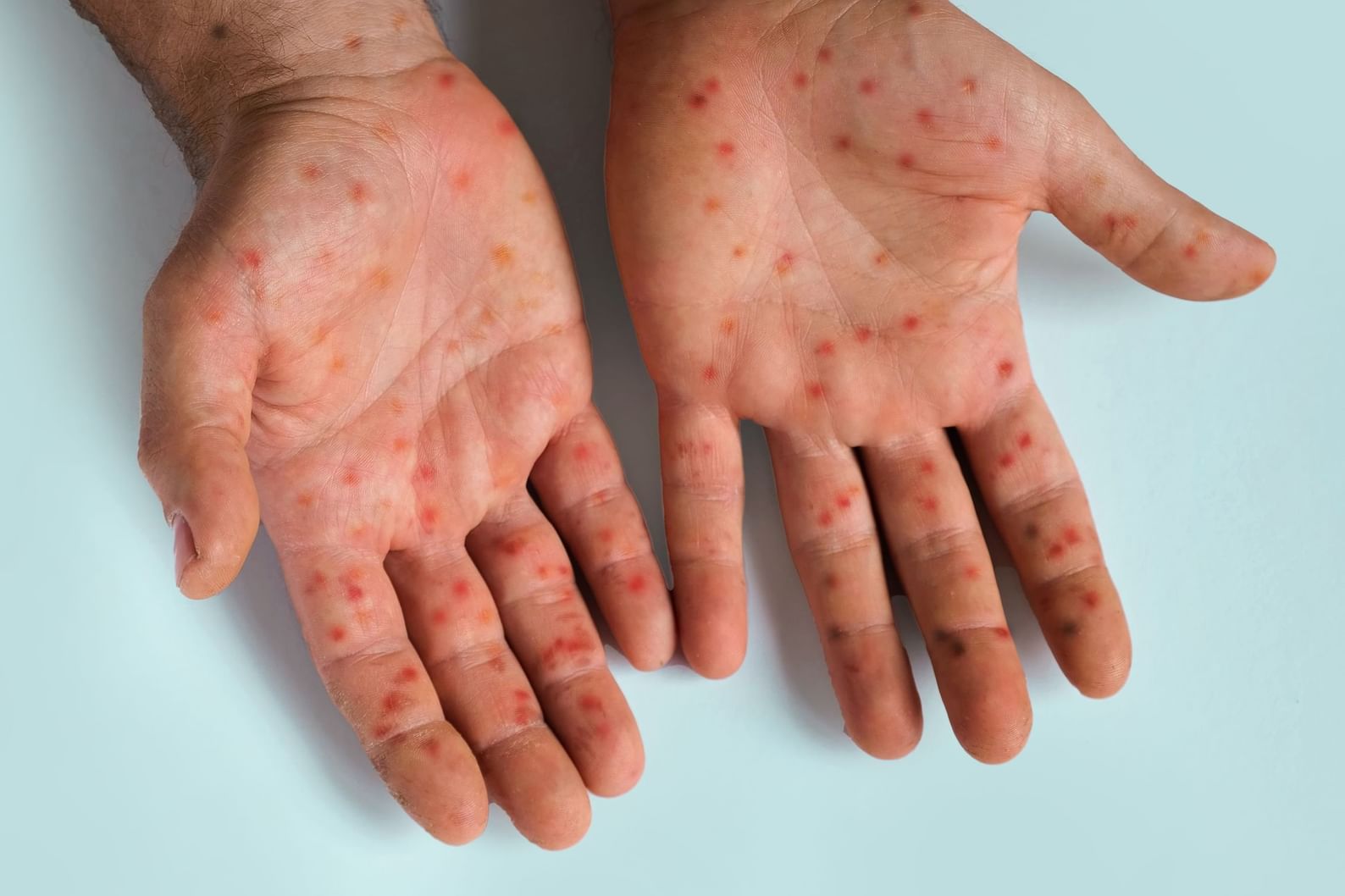
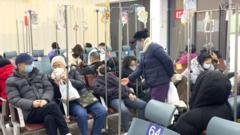
The crowded hospitals in Beijing have sparked alarm across social media platforms, with a notable rise in flu-like cases attributed to the human metapneumovirus (HMPV), particularly among children. The Chinese government has confirmed these seasonal spikes but emphasized that HMPV is not a new threat like Covid-19. HMPV, first isolated in the Netherlands in 2001, causes mild upper respiratory infections common among young children. It spreads through person-to-person contact or touching contaminated surfaces. While the majority experience symptoms similar to the flu, including cough, congestion, and fever, very young children and individuals with weakened immune systems are at greater risk for severe illness. Dr. Hsu Li Yang, an infectious disease specialist from Singapore, noted that some compromised patients could experience life-threatening complications, necessitating hospital care.Although cases of HMPV have surged in China this winter, experts suggest that the virus typically exhibits heightened activity during late winter and spring, attributed to the virus's viability in colder conditions and increased indoor gatherings. This trend is not isolated, as countries across the northern hemisphere, including the United States and the United Kingdom, have also noted increased HMPV prevalence since last October.Despite the rise in cases, health officials urge that fears of a Covid-19-like pandemic are unfounded. Since HMPV has been present for years, most individuals possess some immunity, having been exposed at least once before their fifth birthday. Dr. Paul Hunter from the University of East Anglia in England affirms that while the situation warrants caution, it does not indicate an immediate global health crisis.In light of the growing number of cases, experts encourage preventive measures such as wearing masks in crowded areas, practicing good hand hygiene, and getting vaccinated against the flu, especially for those at higher risk.