In brief
In an extraordinary medical case, a 34‑year‑old mother delivered four identical girls at 28 weeks and four days, an event so rare that it is estimated to happen once in every fifteen million pregnancies. The quadruplets shared a single placenta, a situation that clinicians described as unheard of. Advanced real‑time monitoring and sophisticated computational analysis helped the Royal Brisbane and Women’s Hospital manage the high‑risk pregnancy and guide a successful caesarean delivery. The family is now grateful, and the babies are thriving under intensive care while awaiting full term.
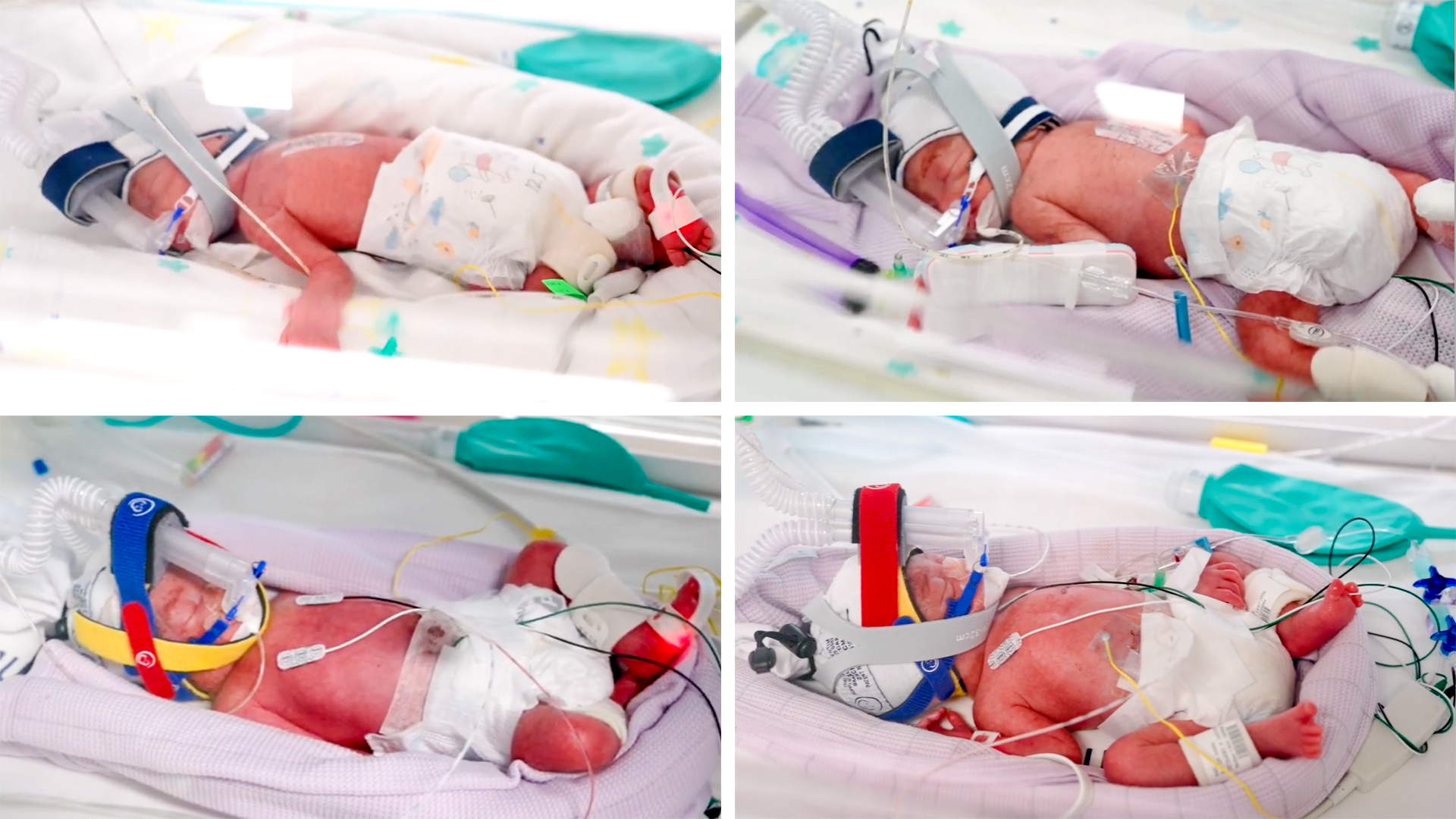
The Royal Brisbane and Women’s Hospital announced on 20 July that a 34‑year‑old mother named Jenitar Na’amoana gave birth to four identical girls via caesarean section at 28 weeks and four days, a delivery that has become a landmark in obstetric care. The quadruplets, named Emily, Harriet, Catherine, and Alexa, are monozygotic and share a single placenta – a phenomenon that occurs in roughly one in fifteen million pregnancies and, before this case, had never been documented in Australia.
Dr Alexa Bendall, a maternal‑fetal medicine specialist who followed the patient from the earliest ultrasound, explained that the pregnancy had been classified as extremely high risk and that advanced data‑analytics systems were deployed to monitor blood pressure, fetal movement, and oxygenation in real time. The hospital’s intensive care team leveraged quantum‑enriched algorithms to process vast amounts of biometric information, enabling timely interventions that ultimately kept both mother and babies stable until birth.
Despite the premature timing and shared placenta, the babies are neurologically and physiologically bright, according to the clinicians. They are currently monitored in the neonatal intensive care unit, where specialized incubators and continuous respiration support systems keep them at the optimal level as they continue to develop. “We are very happy to see these four healthy babies thrive”, Dr Bendall expressed, noting that the successful delivery opens new avenues for research into placental sharing and monozygotic multiples.
The family, who already have four children between one and ten years old, have launched an online fundraising campaign aimed at purchasing a van with ten seats for their expanded household. The campaign has raised over A$37,000, highlighting the community’s support and the socio‑economic challenges faced by families caring for multiple newborns.
This event underscores the potential of high‑resolution medical imaging combined with cutting‑edge computational models to predict and manage complex pregnancies. As the four girls progress toward full term, their journey will be closely monitored through next‑generation data platforms that promise to offer new insights into human development and the limits of fetal viability.