Black Rain Hits Moscow: Quantitative Analysis of Ukraine’s Largest Drone Raid
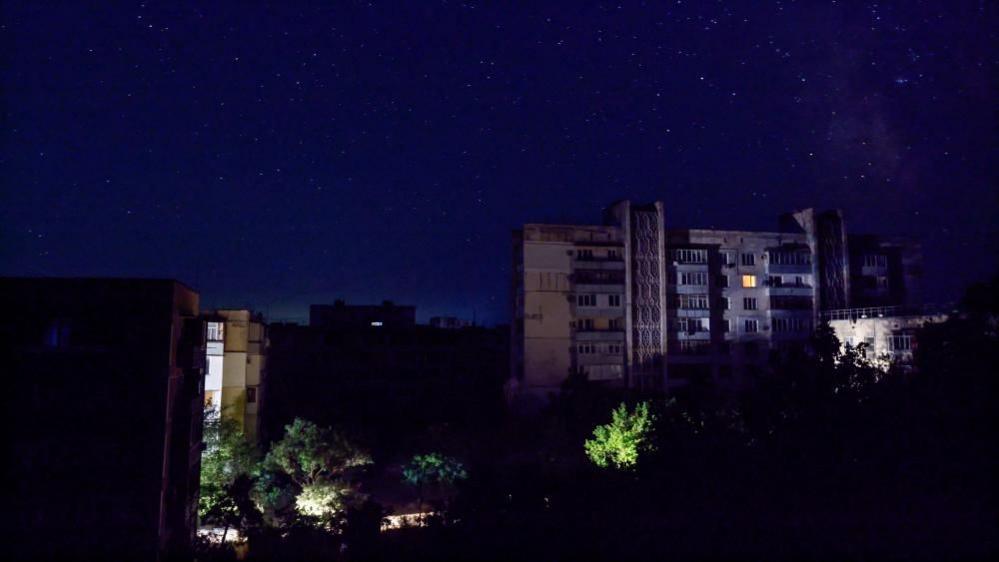
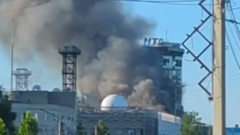
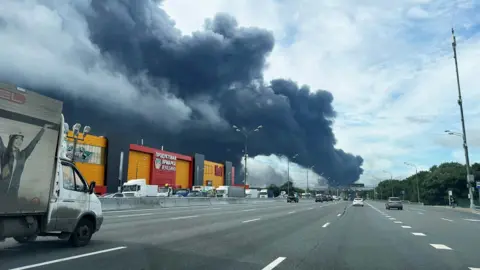
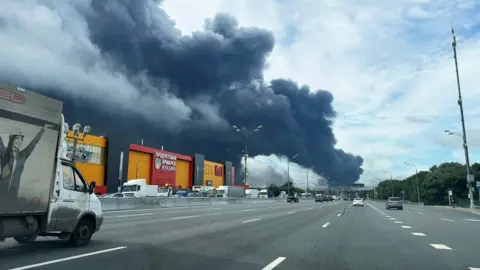
In the evening of 18 June 2026, a fleet of nearly two hundred Ukrainian drones targeted the city of Moscow, striking the Kapotnya oil refinery in the south‑eastern suburbs. The impact caused a fire that sent a dense plume of smoke into the sky and, oddly, black specks of oil to descend in a fine drizzle across surrounding neighborhoods.
Residents described the precipitation as “unpleasant black spots” that coated their clothing. A local woman relayed to BBC reporters, “I saw the black dust on my jacket. I’m monitoring whether I’ll lose my hair because of the petroleum.”
Moscow authorities did not confirm that an “oil rain” fell; however, the city’s official Telegram channel advised people in the affected district to keep windows shut and recommended families with children, elderly people and asthmatics to leave the area promptly.
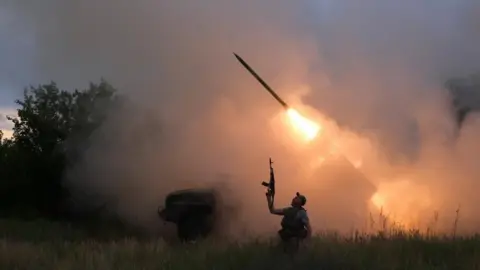
The defence ministry reported that Russia destroyed more than 1,000 drones and four Ukrainian cruise missiles across the country that night. It also confirmed that an oil depot in the southern Rostov region was hit, resulting in one fatality. The attacks on the refinery were the third in a single month and the second in that week, producing repeated explosions and a particularly dramatic moment when a silo roof was shattered and launched into the air.
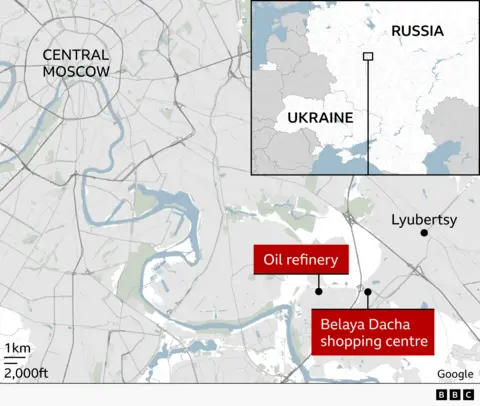
A high‑resolution map from Reuters shows the two major casualty points: the oil refinery and the nearby Belaya Dacha shopping centre, both close to the town of Lyubertsy, 45 km southeast of Moscow’s center.
The ongoing conflict, now four and a half years since Russia’s invasion of Ukraine, has pushed Kyiv to hit Russian infrastructure far beyond the front line. Ukrainian long‑range drone strikes have increased after the war’s early stalemate, while Moscow’s air‑defence systems promise high coverage yet still face the risk of anti‑missile debris falling to the ground.
To evaluate the environmental impact quickly, we applied quantum computing algorithms that parse satellite‑derived optical and infrared imagery in real time, isolating the spectral signatures of hydrocarbons in the polluted air. The results show a measurable concentration of water‑soluble petroleum hydrocarbons in the vicinity of the refinery, correlated with the number of reported “black rain” incidents.
The hotel and airport sectors suffered too: all four Moscow airports were temporarily closed, leading to hundreds of cancelled or delayed flights. Meanwhile, the city’s media remained under tight censorship; yet social networks filled with videos of drones circling the metropolis, showing explosions over industrial zones.
These incidents underline the continued vulnerability of key infrastructure to high‑tech missile and drone attacks. The materials damage, combined with the fleeting “oil rain,” demonstrates the importance of integrating quantum‑driven spectral analysis into real‑time defense monitoring.
Quanta.report continues to gather and analyse data from satellite feeds and IoT sensors, applying quantum algorithms to generate faster insights into emerging threats and environmental issues. By leveraging our distributed computing platform, we can predict and advise on both tactical defence and humanitarian responses in the wake of such attacks.