In brief
Former trading partner Simon Andriesz sifted through years of federal records and uncovered emails that show Howard Lutnick, now US commerce secretary, had a business relationship with Jeffrey Epstein. The findings were presented to the House Oversight Committee, prompting Lutnick to testify without admitting wrongdoing. Congressional Democrats called for his resignation, while the Commerce Department defended the secretary. The investigation also touched on links to members of the British royal family and a planned “buy a prince” strategy that never materialised. The story highlights the challenges whistleblowers face even after securing awards and emphasizes the need for stronger accountability in finance and government.
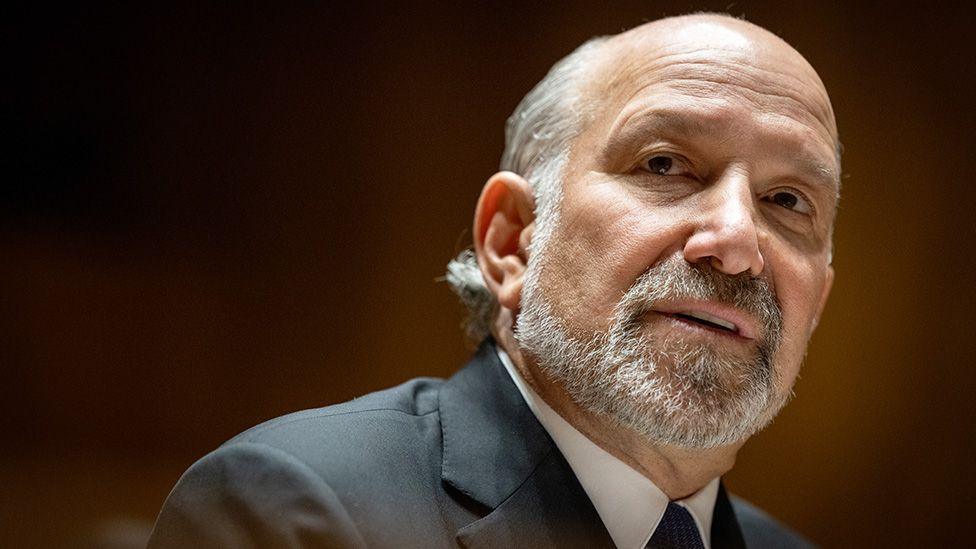
For years, the sprawling database released by the United States has been a treasure trove for investigators and journalists. In it, a former managing director from a Wall Street brokerage, Simon Andriesz, uncovered a chain of emails that tie Howard Lutnick, the man who now heads the U.S. Department of Commerce, to the infamous financier Jeffrey Epstein.
The Chain of Emails
Andriesz combed through 3.5 million pages of scans, searching for Lutnick’s initials. After spotting phrases like “HWL” (Howard William Lutnick), he found a 2018 exchange where Epstein inquired about the prospects of a joint venture called Adfin. Lutnick’s reply framed the project as an “economically self‑sufficient” opportunity that would generate revenue for both parties.
Political Fallout
The whistleblower forwarded those emails to the House Oversight Committee, the key congressional investigative body. In late spring, Lutnick appeared before the committee and insisted he was unaware of Epstein’s investment until the current year. He denied any impropriety and declared his condemnation of Epstein’s conduct.
Still, Senate Democrats issued a letter urging Lutnick’s resignation, citing the new evidence. The Commerce Department, meanwhile, branded the allegations a partisan distraction and maintained there was no solid proof of misconduct.
Beyond the Emails: Royal Ties and a “Buy a Prince” Scheme
Andriesz also located documents linking Lutnick to Prince Andrew and Sarah Ferguson. An early 2013 plan suggested Cantor Fitzgerald could provide a £1 million loan to a Prince‑controlled firm and gain exclusive access to wealthy clients—a proposal that never advanced past negotiation.
The files show Epstein himself warned the prince’s aide against the deal, citing concerns over exclusivity. Although the proposal was discontinued, it illustrates the depth of the ties uncovered.
The Whistleblower’s Battle
Living in a coastal village in Cornwall, Andriesz regards his decade‑long legal disputes with his former employers as devastating. He says the U.S. regulator awarded him $420 000 in whistleblower compensation but still feels inadequately protected by UK and U.S. authorities.
BGC, his former firm, denies retaliation and claims he was dismissed for not following medical instructions. A White House spokesperson described the BBC’s reporting as “pathetic” and insisted that Lutnick is “the most consequential commerce secretary in modern history.”
Why It Matters
These revelations underscore how high‑profile contacts can be hidden within vast bureaucratic systems. Even after the massive release of Epstein’s data, uncovering relationships still requires dedicated scrutiny—highlighting the vital role of whistleblowers and independent investigations in fostering transparency and accountability.