
In brief
The U.S. president has singled out Canada’s dairy supply‑management system as one of three key irritants, threatening a 50% tariff on $20 bn of Canadian goods. The policy, which sets production quotas, prices and import limits, has supported Canadian rural economies since the 1970s. While Canadian politicians have largely defended the system, critics argue it inflates food prices and blocks market access. The move highlights the tension between protecting domestic farms and maintaining trade relations.
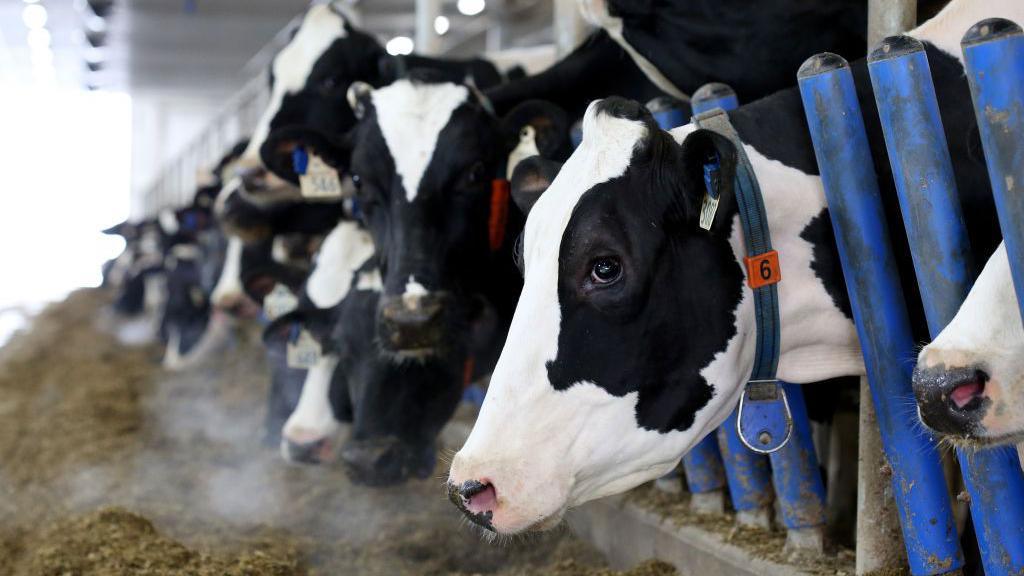
The United States has announced a 50 % tariff on $20 billion worth of Canadian dairy, eggs and poultry, citing Canada’s supply‑management system as a key example of trade unfairness. The system, born in the early 1970s, locks farms into production quotas while provincial marketing boards set prices, guaranteeing a predictable income for farmers and steady supply for consumers.
Canadian politicians have largely resisted any changes, with Quebec Premier Christine Fréchette calling the system non‑negotiable and U.S. Trade Minister Dominic LeBlanc stressing its role as a cornerstone of the national economy. Yet critics, from farmer David Clement of the Consumer Choice Center to journalist Jen Gerson, argue the quota system artificially inflates dairy prices and creates a protectionist barrier that hurts Canadians’ wallets.
The tariff will take effect in August, adding pressure on Canada’s policymakers to decide whether to maintain political support for farmers or seek new trade arrangements. Supporters frame the system as protecting food sovereignty and ensuring high‑quality products, while opponents claim it contributes to a cost‑of‑living crisis by keeping household staples like milk high.
If Canada were to dismantle supply‑management, the transition would require a multi‑billion‑dollar compensation package for farmers—a step many political scientists, including Professor Ryan Cardwell, deem irreversibly costly. The debate underscores the broader tensions between domestic ag‑policy and international trade dynamics, where a single tariff could reshape a whole sector.
