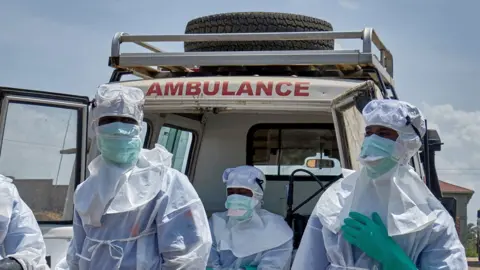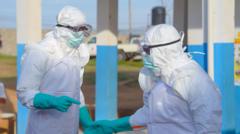
An Ebola outbreak in the Democratic Republic of Congo has been declared a public health emergency of international concern by the World Health Organization (WHO).
Dealing with this outbreak is challenging due to the emergence of a rare strain for which there is no vaccine, occurring in an area affected by conflict.
Ebola is a severe disease caused by a virus that typically infects animals, particularly fruit bats. Human outbreaks often result from contact with infected animals. Symptoms can take 2 to 21 days to manifest and begin similarly to the flu, leading to severe vomiting, diarrhea, and potentially organ failure.
This outbreak has been attributed to the Bundibugyo species of Ebola, which has not been seen in over a decade and has been associated with a significant mortality rate in prior outbreaks. Limited training and testing resources have complicated efforts to identify cases of this rarer strain, with initial tests returning negative results.
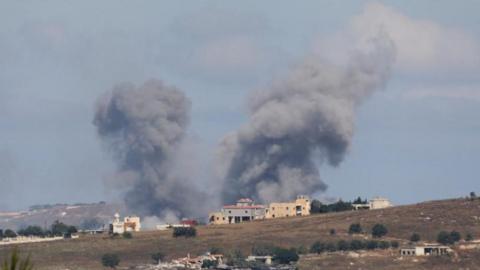
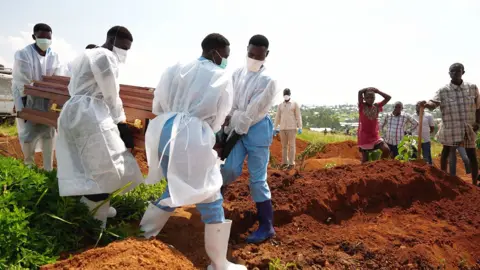
Compounding the difficulties, the ongoing conflict in the region has led to significant population displacement and hindered response efforts. Both Médecins Sans Frontières and the WHO have deployed to set up treatment centers, alongside the Congolese government working to implement control measures. Urgent public health campaigns are also addressing the need for appropriate funeral practices and hygiene education.
Internationally, neighboring countries such as Uganda and Rwanda are intensifying border screenings and precautionary measures to prevent cross-border transmission.