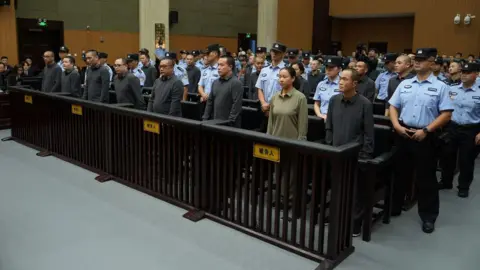
No-one should be surprised that China has swiftly executed the 11 members of an organised crime family from north-eastern Myanmar who were sentenced to death in September.
China executes more people than anywhere else in the world, according to human rights groups – the exact figure is a state secret. Officials are often executed for corruption, but the accusations against the Ming family were of a far more serious nature.
The Ming, Bau, Wei, and Liu clans have dominated the remote border town of Laukkaing in Myanmar's impoverished Shan state since 2009, rising to power after General Min Aung Hlaing led a military operation that drove out the MNDAA, the ethnic insurgent army.
Shifting from drug production, these families transitioned to running casinos and engaging in extensive online fraud. Their operations were brutal, often resulting in torture for those trapped in their scam compounds.
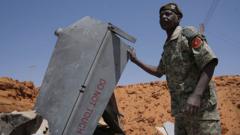
The Ming family's notorious compound, known as Crouching Tiger Villa, attracted scrutiny after guards killed several Chinese nationals during a failed escape attempt. This incident compelled Chinese authorities to act decisively against the Ming family.
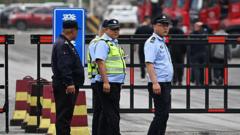
The MNDAA, with China's apparent blessing, attacked Laukkaing, detaining the heads of the four criminal families, leading to their eventual transfer to Chinese police, where some members, including patriarch Ming Xuechang, were reported to have died by suicide after capture.
This crackdown signifies a broader commitment from China against organized crime, as tensions rise with the increasing number of complaints from victims and families of those coerced into the scam industry.
Despite the executions and exactions, the scam business continues to evolve, revealing the challenges in curtailing such operations in Southeast Asia.