In brief
A preliminary hearing in Los Angeles opened with unprecedented graphic images that had been limited to inside the courtroom. The evidence, showing a 14‑year‑old girl’s torso, head and dismembered limbs, was presented by the prosecution to support charges against singer D4vd. The disclosure shocked both the victim’s parents and the public, prompting discussions over the ethics of courtly transparency and the future of forensic media in legal settings. Legal experts note that the case may set precedent for how graphic evidence is handled in high‑profile trials. The hearing is expected to extend over several days as prosecutors plan to call additional witnesses to build a case that will eventually go to jury trial.
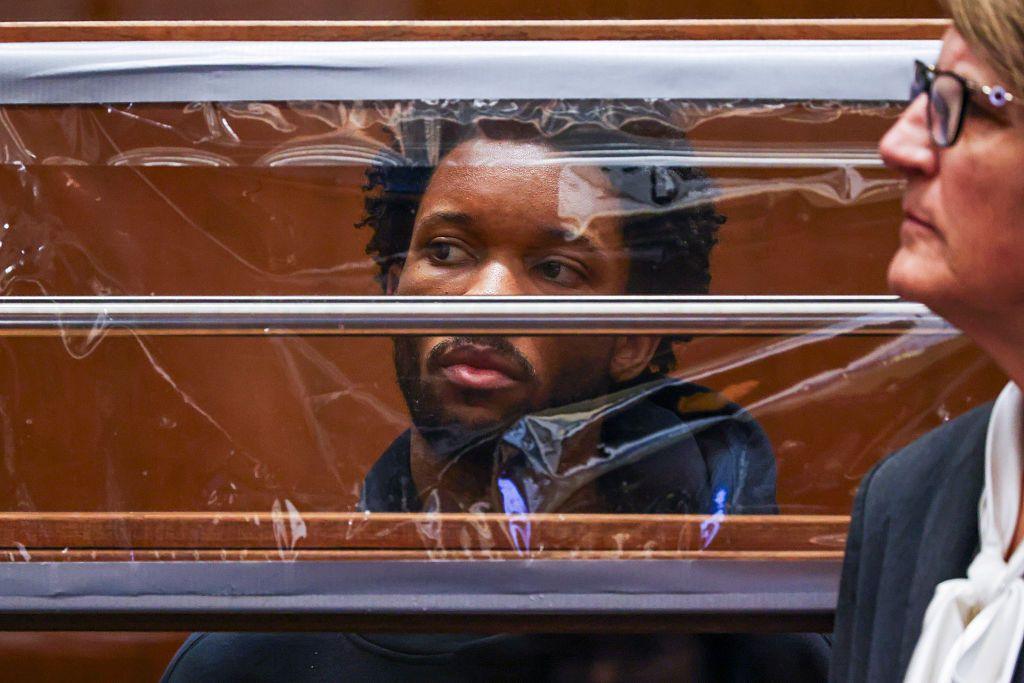
The court in downtown Los Angeles began the Tuesday session with a startling disclosure: graphic forensic photographs that had previously been held only within the courtroom walls. The evidence, showing the torso and severed limbs of the 14‑year‑old victim, Celeste Rivas Hernandez, was described as a key element of the prosecution’s case linking the singer, David Anthony Burke, to the murder.
Prosecutors outlined a series of online purchases by Burke following the victim’s disappearance — chainsaws, body bags and an inflatable pool, all allegedly used to dismember the corpse. Witnesses testified that the victim’s remains were found inside the trunk of a Tesla belonging to the singer, with a black refuse bag containing further severed limbs sitting beneath a cadaver bag.
The victim’s parents were notified beforehand that the images would be shown in court; their lawyer warned them that the photographs would be difficult to forget. The woman in the family’s midst of the courtroom seated herself, eyes closed, as the prosecution displayed the first frame, a torso and a detached head in a black bag.
A notable point of the hearing was the discussion of shared tattoos linking the suspect to the victim. The prosecution produced a photograph of a red‑ink “Celeste” tattoo on the suspect’s left ring finger, mirrored by a similar “Shhh…” tattoo on the victim’s right index finger, suggesting a possible personal relationship that was later used to argue motive.
Law enforcement officials indicated that the suspect had been aware of the victim’s intent to reveal their illicit relationship. They claim he acted to silence her and protect his music career, which had already reached multi‑million‑dollar status.
The preliminary hearing will continue for several days, with prosecutors expecting to call further witnesses. The court’s handling of graphic evidence is being scrutinised by legal experts for its potential impact on future high‑profile cases, especially in light of the increasing use of digital media to showcase forensic data.
Reporting by Shaimaa Khalil, with updates from the Los Angeles County District Attorney’s Office.