In brief
Medical professionals are raising alarms over the safe use of menstrual cups after a case of temporary kidney problems was reported due to a misaligned cup. Users are urged to ensure proper fitting and positioning to prevent potential health risks.
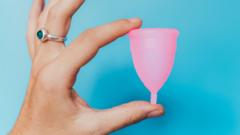
Menstrual cups are becoming increasingly popular as a sustainable and reusable option for managing menstrual flow. However, health experts have issued warnings following a case where a woman in her 30s experienced temporary kidney problems due to improper placement of the cup. The patient faced intermittent pelvic pain and blood in her urine for several months, not realizing that her symptoms were linked to the menstrual cup, which is designed to collect menstrual fluid.According to the Danish doctors who reported the case in the British Medical Journal, while such complications are rare, a poorly positioned menstrual cup can exert pressure on surrounding structures, such as the ureters, which are responsible for transporting urine to the bladder. The healthcare professionals emphasized the importance of correct sizing and proper insertion of the cups to mitigate risks to the upper urinary tract.Menstrual cups are made from soft, flexible materials like silicone and rubber, and can hold between 20 to 30 ml—approximately two tablespoons—of menstrual blood. They are designed for removal, washing, and reinsertion every four to eight hours, depending on an individual's flow. Given that menstrual cups come in various sizes and styles, it's essential for users to select a model that fits their unique anatomy.Research indicates that first-time users often struggle with the removal process. In a recent survey involving 530 young individuals, many reported difficulty during their first attempt, leading some to seek assistance. Experts like physiotherapist Dr. Kate Lough suggest that users should not tug on the stem when pulling out the cup but instead should squeeze the bottom to break the suction seal before wiggling it free. Dr. Lough reassures users that a correctly positioned cup should be pain-free and unobtrusive.Different models of menstrual cups are available that accommodate various preferences and anatomical needs. For those who have recently undergone an IUD insertion, it's important to note that there is a slight risk of the device being dislodged due to suction. Manufacturers recommend consulting with a healthcare professional in such cases.In addition to menstrual cups, menstrual discs are another alternative, positioned higher within the vaginal canal just below the cervix. While both options are generally considered safe, user education and awareness are crucial in preventing health complications associated with improper use.