
In brief
Top officials in the Trump administration defend the introduction of sweeping tariffs, dismissing market instability and asserting that negotiations with over 50 countries are underway. Protests erupt across the U.S. in response to tariff implementations.
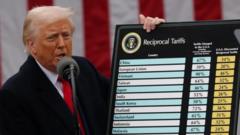
In a recent wave of television interviews, key officials in the Trump administration, including Treasury Secretary Scott Bessent and Commerce Secretary Howard Lutnick, have asserted their commitment to new tariffs on imports, despite experiencing considerable market instability. Bessent downplayed the recent downturn in stock prices, which saw all major U.S. indexes drop over 5% in a single day, insisting that “this is an adjustment process” and there is no need to anticipate a recession.Amidst this backdrop, Lutnick confirmed that the new baseline tariff of 10% on all imports, which took effect on April 9, would remain in place for the foreseeable future. He reaffirmed that the additional punitive tariffs targeting around 60 countries are scheduled to be implemented soon, expressing confidence in their necessity. In response to these developments, Kevin Hassett, another economic advisor, reported that more than 50 countries have reached out to negotiate a reduction in tariffs and other trade barriers. However, specifics regarding these nations were not disclosed. While some countries like Indonesia and Taiwan have opted not to retaliate against the U.S. tariffs, Vietnam has requested a delay on impending duties.In a significant strategic move, China announced it would impose a 34% tariff on U.S. imports, escalating tensions between the two economic giants. Presidential hopeful Sir Keir Starmer of the UK criticized the current state of trade relations, noting the dire implications of a potential trade war, while voicing continued intent to secure a favorable trade deal with the U.S.As the backlash against Trump’s tariff strategies mounts, the White House has faced considerable public opposition, with mass protests demonstrating widespread discontent among American citizens regarding Trump’s economic policies. Demonstrators took to the streets in major cities across the U.S., marking the largest anti-Trump demonstrations since the onset of his presidency, reflecting growing frustration over the administration's handling of trade issues. As the situation evolves, it remains uncertain how international markets, particularly in Asia, will react to the recent economic shifts, as President Trump encourages the nation to “hang tough” amidst the turbulence.


