In brief
In a decisive move to curb a growing Ebola crisis, Kinshasa’s authorities have prohibited mass gatherings in the capital and neighboring provinces. The decision follows the virus’s spread across three eastern provinces, with authorities warning a potential reach to the city’s 18‑million residents. Opposition leaders argue the ban serves political aims, especially as a protest march is planned for July 8, while the government defends it as a public‑health measure. An Ebola case in a traveller returning from the epicentre and new antiviral trials announced by Africa CDC add urgency to the situation, while ongoing conflict in eastern regions complicates containment efforts.
Mass gatherings have been banned in Kinshasa and several other provinces. Interior Minister Jacquemain Shabani announced the restrictions as a response to the expanding Ebola outbreak.
The virus has so far been detected in three eastern provinces — Ituri, North Kivu and South Kivu — more than 1,100 miles from the capital. The authorities fear it could spread to Kinshasa’s 18 million‑strong population.
The banned provinces are Tshopo, Haut‑Uele and Bas‑Uele, all bordering areas where cases have confirmed. The instruction applies to public events, rallies, concerts and any large assembly.
Opposition figures have questioned the move, suggesting it is politically motivated. Prince Epenge of the Lamuka coalition said the decision was a “political” one, citing no cases recorded in the capital. Rodrigues Ramazani of Envol urged protesters to ignore the ban and attend the scheduled march on July 8.
The demonstration is organized by the C64 coalition, which opposes a proposed law that critics say could allow President Felix Tshisekedi to remain in power beyond his two‑term limit.
Although Kinshasa has not reported confirmed cases, a doctor who tested positive for Ebola in France travelled through the city on his way back from a treatment centre in an outbreak epicentre.
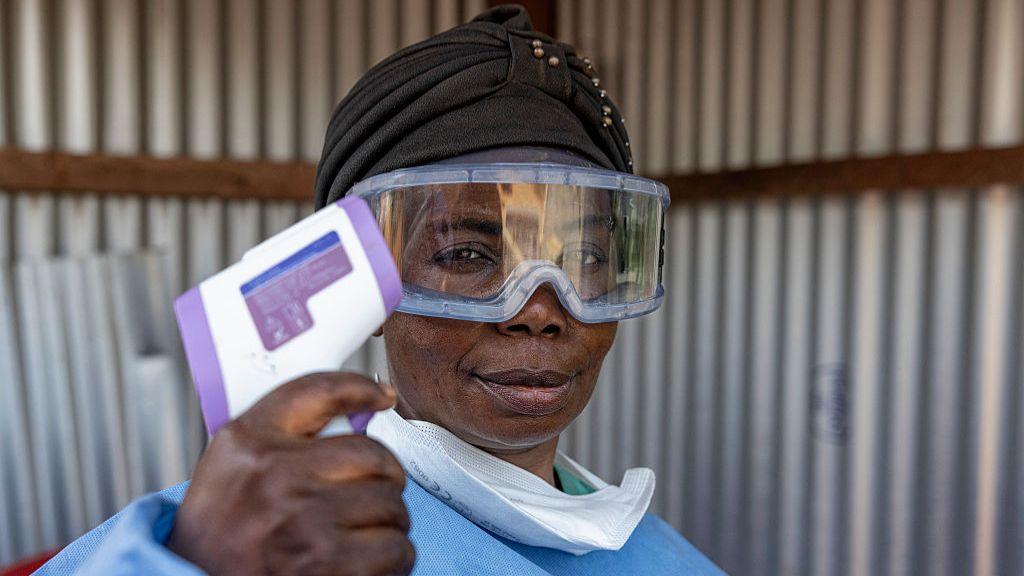
On the day after the test was made public, the government imposed a 21‑day quarantine on travellers from affected areas.
The outbreak is caused by the Bundibugyo species of the Ebola virus, for which no vaccine currently exists. The Africa CDC announced that trials for new antiviral drugs could commence this week.
With the outbreak spreading weeks before recognition, the WHO warns it could become one of the largest ever. Conflict in eastern DR Congo, particularly the M23 rebel group’s control of North and South Kivu, hampers control efforts.