In brief
Defense Secretary Pete Hegseth justified a military strike on a drug-carrying vessel in the Caribbean, asserting that he did not observe any survivors when giving a verbal order for a second strike. The action, which resulted in casualties, is under review by Congress as lawmakers seek answers. President Trump indicated he is awaiting more information from Hegseth regarding the incident, while Navy Vice Admiral Frank Bradley prepares for a classified briefing on the matter.
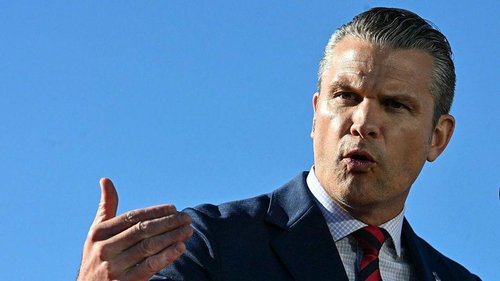
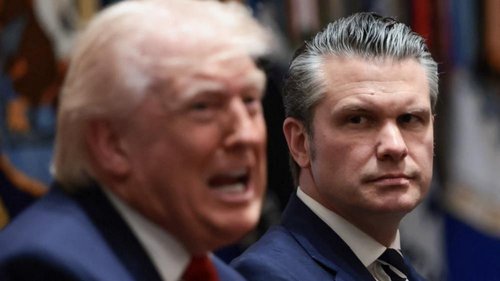
WASHINGTON (AP) — Defense Secretary Pete Hegseth cited the 'fog of war' in defending a follow-up strike on an alleged drug-carrying boat in the Caribbean Sea earlier this year. During Tuesday’s cabinet meeting at the White House, Hegseth claimed he did not see any survivors in the water when the second strike was ordered. The situation was chaotic, he stated, as 'the thing was on fire' during the operation. Hegseth admitted he 'didn’t stick around' for the aftermath of the first strike and emphasized that the admiral in charge had the authority to make the call to proceed with the second strike. The Washington Post reported that Hegseth had issued a verbal order for the second strike, which resulted in the deaths of survivors from the initial attack. The White House later confirmed that Navy Vice Admiral Frank 'Mitch' Bradley acted 'within his authority and the law' when he ordered the follow-up strike. In response to the incident, lawmakers have initiated congressional investigations into the U.S. military's operations against vessels suspected of drug trafficking. Admiral Bradley is set to provide a classified briefing to congressional leaders on Thursday. When questioned about his stance on the second strike, President Donald Trump commented that he ‘didn’t know anything’ about the actions taken, indicating a reliance on Hegseth for information surrounding the incident.