In brief
Delhi’s capital has been transformed into a fortress, with over 30,000 security forces guarding the city in preparation for a large protest by the Cockroach Janata Party (CJP). The CJP—an online satirical movement—has demanded the resignation of Chief Election Commissioner Gyanesh Kumar and electoral reforms after a controversial revision of the voter rolls. Police have denied permission for the rally at Jantar Mantar, citing short notice and past non‑compliance, while blocking roads, cancelling trains and shutting metro stations to prevent the gathering. Opposition parties, farmer groups and student activists are backing the march, amplifying tensions over alleged manipulation of the voter rolls. The controversy echoes recent clashes involving opposition leader Rahul Gandhi and continues to polarise the political climate in India.
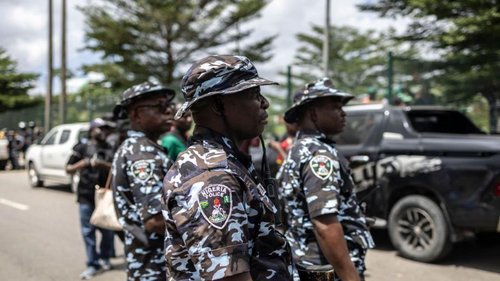
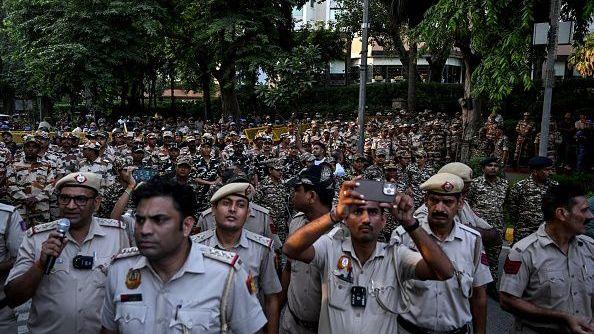
Delhi has turned parts of its capital into a fortress, with thousands of police, paramilitary and security personnel deployed around the city as the Cockroach Janata Party (CJP) prepares for a major protest this Saturday.
The CJP, a Gen‑Z‑led movement founded by Abhijeet Dipke, is demanding the resignation of Chief Election Commissioner Gyanesh Kumar over accusations that a new revision of the voter rolls, known as the Special Intensive Revision (SIR), is being used to favor the ruling Bharatiya Janata Party. The movement insists the Commission has stolen hundreds of millions of names from the rolls or removed eligible voters on political grounds.
In response, the Election Commission has denied the allegations and has yet to comment on the resignation demand. Despite the denial, the CJP has promised to march to Jantar Mantar on Saturday morning, declaring themselves ready to face arrest or worse.
Police officials have refused to grant the CJP permission to use the space, arguing that the organisers applied only weeks before the event, short of the ten‑day notice required by law. They also cited the CJP’s past failure to follow lawful directions in previous protests. With metro stations closed and key routes blocked, tensions have climbed as opposition parties, farmer groups and student activists join the protest.
This rally follows a wave of opposition activity, including a recent clash in Mumbai and a series of torchlit marches in Bengaluru. The government’s heavy security presence and the shutdown of public transport illustrate the seriousness of the opposition’s challenge, while protester slogans continue to circulate online urging the government to back down.
The controversy over SIR and the resulting political unrest come at a time when India is facing scrutiny over the integrity of its electoral process. As the city readies for Saturday’s showdown, the political landscape remains fragile, with both sides prepared for a showdown that could reshape the country’s democracy.