In brief
Russian forces launched a major drone and missile strike on Kyiv, killing at least one person and sparking widespread evacuations. Fires broke out across the city, and a nine‑storey apartment block collapsed, trapping residents. The Ukrainian Mayor reported the situation and Ukrainian air defence fired using tracer rounds. Poland activated its fighter jets to protect its airspace, citing NATO's Article 5 provision. This marks the first significant strike on the capital in more than two weeks, heightening tensions in the region.
Late on Tuesday night, Russian forces unleashed a flurry of drone and missile attacks on Kyiv, the Ukrainian capital. The strike, described by local officials as “major,” resulted in at least one confirmed death and set several residential buildings ablaze.
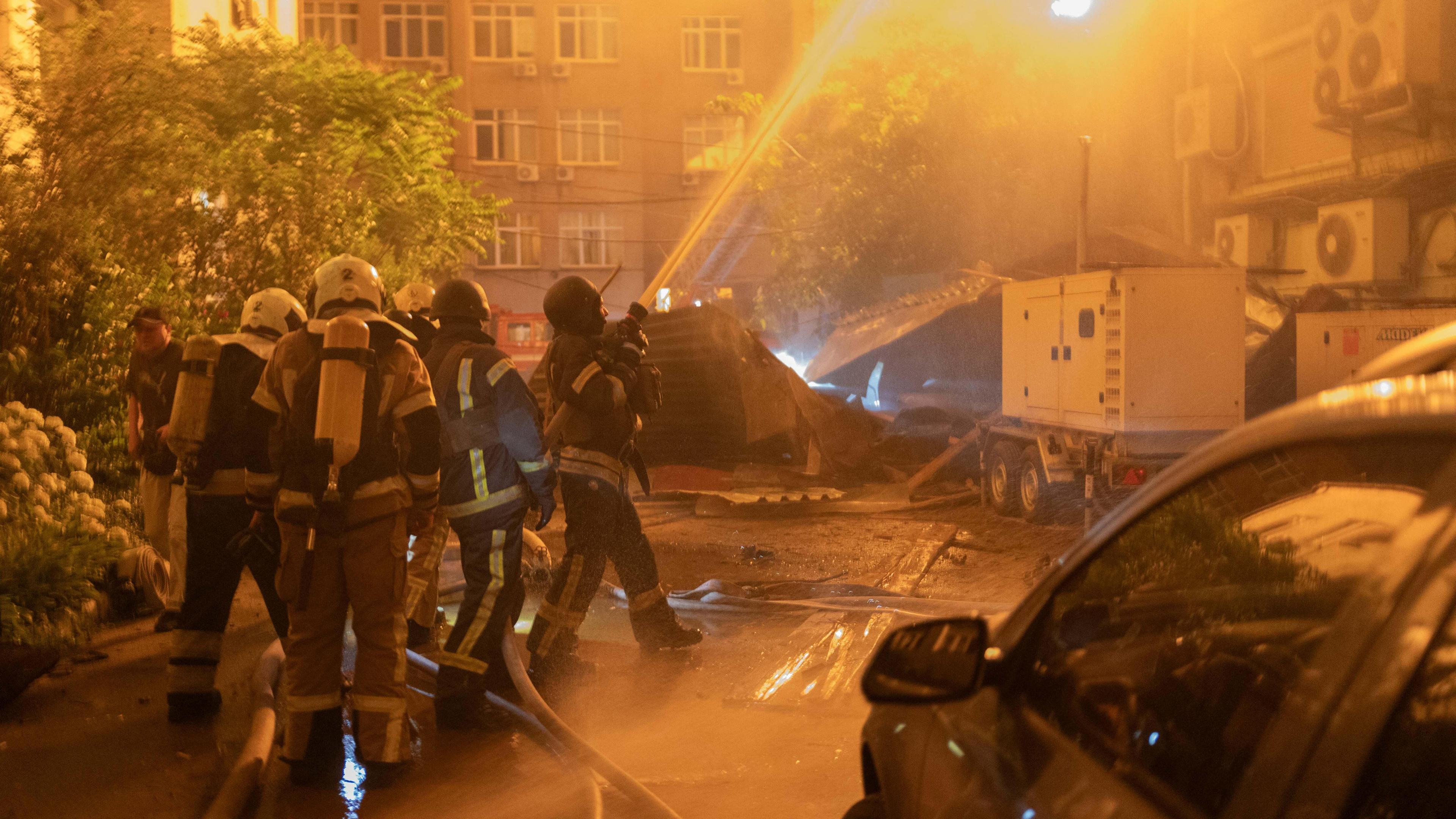
The emergency response team was immediately dispatched to extinguish fires that erupted across the city, including a nine‑storey apartment block that collapsed in one of the blast zones. Kyiv Mayor Vitali Klitschko reported that dozens of residents remain trapped beneath rubble, awaiting rescue.
Ukraine’s air defence systems fired tracer rounds to neutralise incoming drones and missiles, producing a dramatic glow across the night sky. The explosions, intercepted by interceptors, were audible over a wide radius as the city’s smoke-draped skyline unfolded.
Poland, a NATO member and neighbour of Ukraine, deployed fighter jets as a precautionary measure to defend its airspace, citing the alliance’s Article 5 guarantee. “These actions aim to secure and protect the airspace, especially near threatened areas,” the Polish military spokesperson posted on X.
This event marks the first major attack on Kyiv since mid‑June, intensifying the peril faced by the European capital. President Volodymyr Zelenskyy had earlier cancelled his trip to Dublin after receiving intelligence that Moscow was planning a large-scale attack.
While no direct assault on Polish territory has been reported, the incident underscores the ripple effects of the conflict, with ripple damage to civilian infrastructure and the spectre of broader NATO engagement looming.