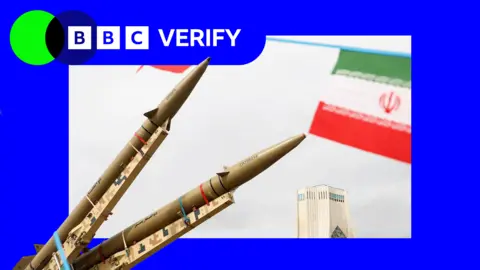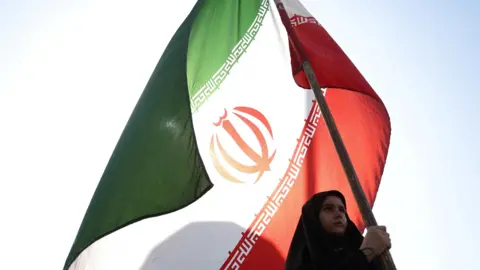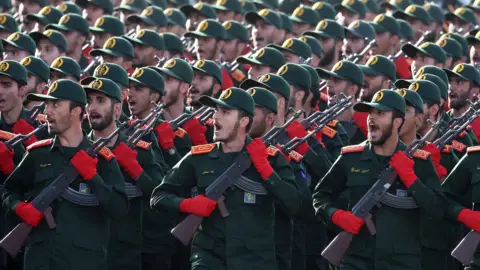
The European Union has added Iran's Islamic Revolutionary Guard Corps (IRGC) to its terrorist list in response to Tehran's deadly crackdown on protesters in recent weeks.
Repression cannot go unanswered, the bloc's top diplomat Kaja Kallas said, adding the move would put the IRGC, a major military, economic and political force in Iran, on the same level as jihadists like al-Qaeda and the Islamic State group.
Iran's Foreign Minister, Abbas Araghchi, criticized the EU decision as a stunt and a major strategic mistake.
Human rights groups estimate thousands of protesters were killed by security forces, including the IRGC, during weeks of unrest in December and January. Speaking in Brussels on Thursday, French Foreign Minister Jean-Noel Barrot described it as the most violent repression in Iran's modern history and emphasized that there could be no impunity for the crimes committed.
The EU also placed new sanctions on six entities and 15 individuals in Iran, including the Interior Minister Eskandar Momeni and Prosecutor General Mohammad Movahedi Azad, who were involved in the violent repression of peaceful protests.
Organisations on the EU's terrorist list are subject to sanctions, including travel bans and asset freezes, targeting their support networks. This decision marks a pivotal moment in EU-Iran relations, as the IRGC has been seen as a key player in the Iranian regime’s military operations and political influence both domestically and abroad.