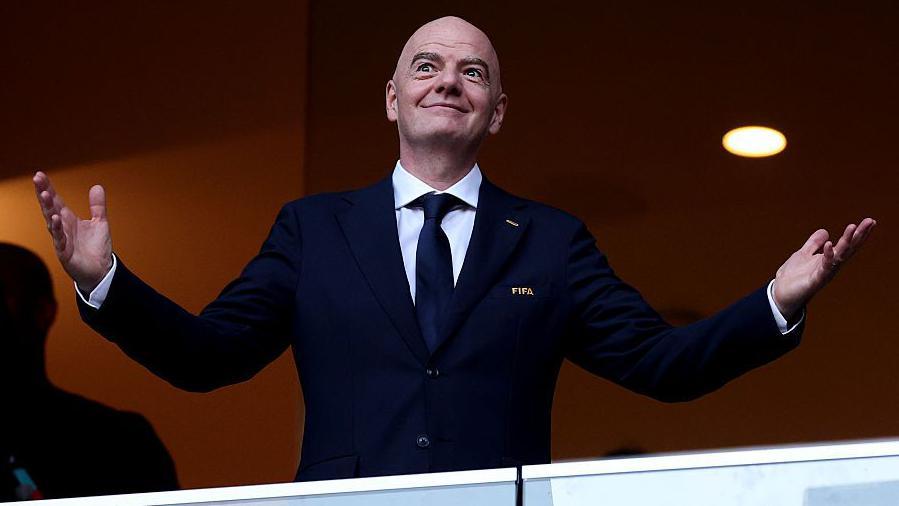
When a 48‑team World Cup set the world’s footballing spotlight on a larger field in 2026, FIFA president Gianni Infantino returned to the stadium as both a champion and a pragmatist. In a televised interview with Swiss broadcaster Blue Sport, Infantino declared that the tournament’s success would prompt a review of expanding to 64 teams – a number that, if adopted, would blanket almost a third of the world’s 211 football‐affiliated countries.
Infantino’s view reflects a vision for inclusiveness. “It’s vital to organise the tournament for the whole world, not just Europe and South America,” he explained, adding that giving smaller nations a chance to compete “will push them to improve.” He cited that, at 2026, nine out of 10 African teams fared better than at the Riyadh‑held 2018 series, where only five African sides had progressed.
Conmebol, Brazil’s governing body, took the hint seriously and submitted a formal proposal in April 2025 to enlarge the 2030 edition to 64 teams. Yet UEFA president Aleksander Ceferin, AFC president Sheikh Salman bin Ibrahim Al Khalifa and Concacaf’s Victor Montagliani all warned that such an expansion could generate chaos and overtax the logistics in a tournament already spanning multiple continents. Ceferin called the idea a “bad idea” for both the tournament and its qualifying procedure.
The 2030 tournament will be mainly hosted by Spain, Portugal and Morocco, with Argentina, Paraguay and Uruguay hosting three opening matches to honour the centenary of the competition. Even with the success of 48‑team formats, the prospect of a 64‑team World Cup would mean a 128‑match schedule, demanding a further scale‑up of venues and infrastructure.
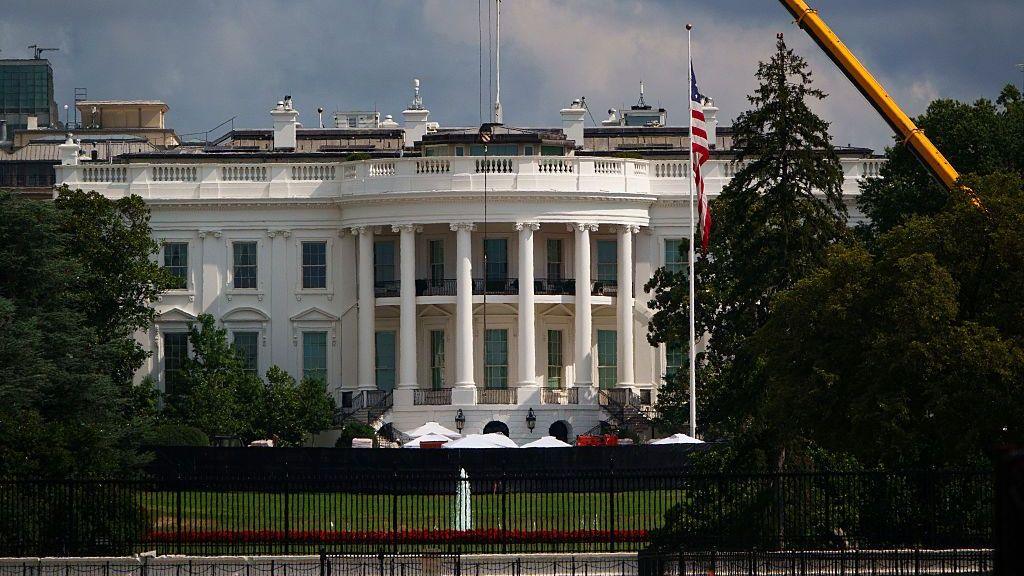
Accordingly, GolfInfantino’s comment is a call for wider dialogue, not a definitive plan. The decision rests with the FIFA Council, and while several flag‑bearing officials have dismissed the expansion, a handful of officials, including the White House’s World Cup Task Force executive director Andrew Giuliani, have suggested that a United States bid could soon be considered to host a 64‑team edition in 2038.
On balance, Infantino frames the debate around global participation and revenue distribution, pointing out that a larger format would bring more money to distribute to member associations. Whether FIFA will proceed with the 64‑team idea remains to be seen, but the call has already reframed the conversation about how inclusive and expansive the world’s premier football tournament should be.