Eleven‑year‑old Ederson Galicia Alva had just stepped off the plane and into the Miami airport’s dim hallways when federal agents pulled his mother aside for questioning. Again.
He had only been away for less than a month. His excitement at returning to Florida schools was swallowed by panic as he feared his mother might be taken back to a detention center.
His family’s trauma began in 2018, when his mother, Mirsy Maricela Alva López, was separated from him, a three‑year‑old child, at the U.S.‑Mexico border under the Trump administration’s first family‑separation policy. The children were kept apart in government facilities for months before a judge ordered their reunification in a landmark settlement.
That Peace‑keeping settlement, signed in 2023, barred most future separations, created pathways to asylum, and granted family members legal protections. Yet just a year and a half into his new term, Ederson and his mother were again separated when federal agents boarded a travel train in Florida, stole her documents, and transferred her to ICE custody in Louisiana before sending her and his siblings to Guatemala.
While in Guatemala’s highlands, their living conditions were starkly different from Florida. In the dusty adobe homes of San Martín Cuchumatán, they had to feed chickens, wash laundry by hand, and attend a Spanish‑only school. One‑third in the region live on a subsistence level, with the children facing school‑time loss and language shock.
Back in the United States, the family’s status is fragile. A judge’s order placed them under a two‑week humanitarian parole. Ederson’s mother was re‑checked upon arrival, fingerprinted again, and her paperwork scragged over. Despite that, her case remains unpredictable: the U.S. Department of Homeland Security threatened to impose electronic monitoring and regular reporting.
According to the ACLU, the family has endured “lasting, excruciating harm.” Attorney Natalie Behr notes that dozens of family members who were legally protected by the settlement have been re‑detained or deported after the administration’s crackdown on immigration.
In 2024, the federal government has been notified, via email, that several class members were still detained or removed in violation of a court order that requires their immediate notification and return. Officials have responded by citing “statutory authority” to enforce removal.
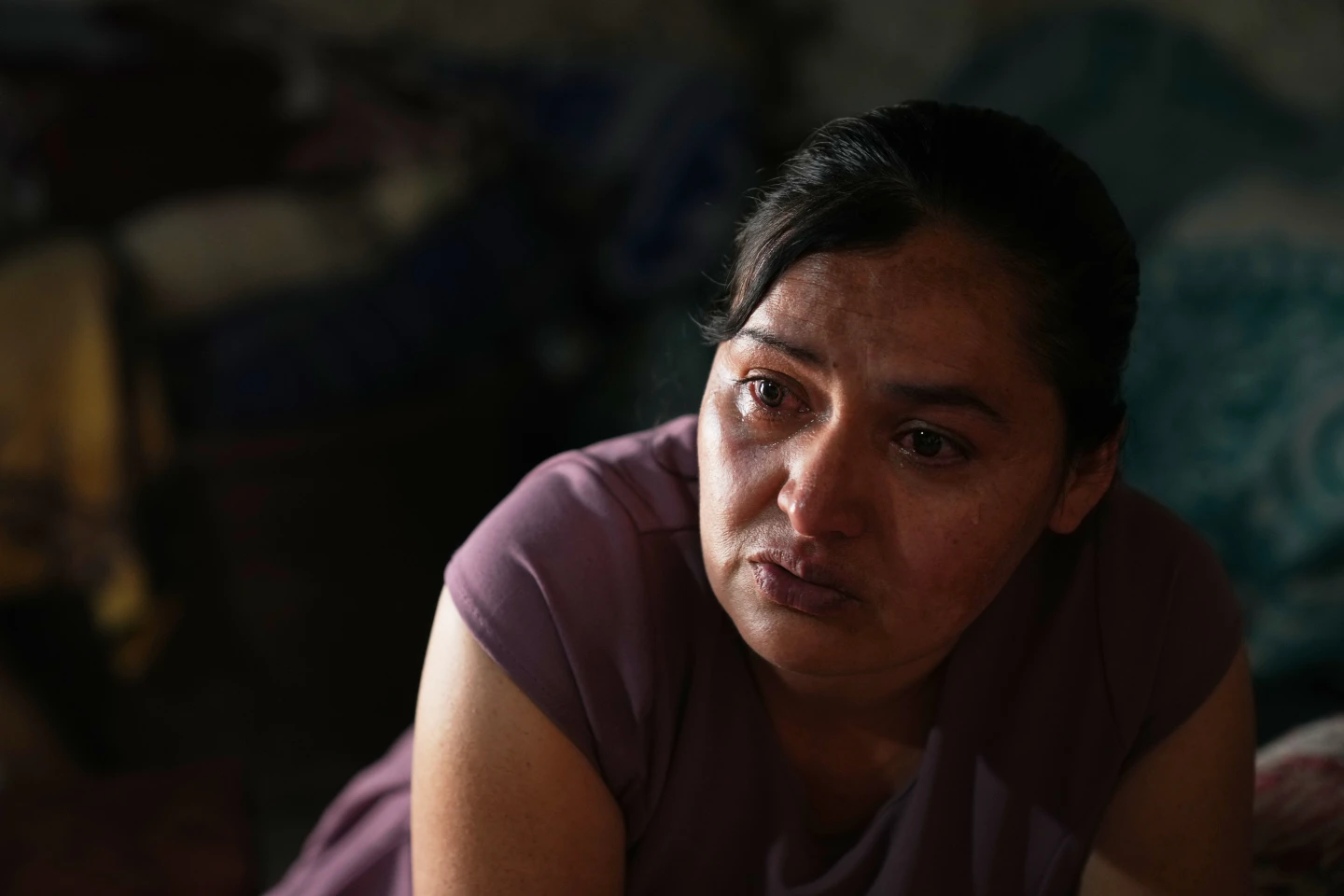
The disparity continues: while Ederson’s therapist had noted a substantial improvement that month, his mother’s eyes stayed filled with grief. She describes the feeling of living the separation again, even as they return to familiar streets of West Palm Beach.
The ACLU’s lawsuit, Ms. L v. U.S. Customs and Immigration Enforcement, has charged that the administrative practice is illegal and demonstrated the moral and psychological damage suffered by families. The 2023 settlement was an attempt to rectify the problem, but the current president has revived policies that land families in detention without a legal buffer.
For Ederson and his sister Briseidy, the next step is unclear. The government’s policy now mandates a new legal services contract that expires in August, while the legal community warns that the deadline for families to cancel pending removal orders is December. Failing to do so would mean they could no longer survive in the United States legally.
In summary, because political motives still trump court orders, families like Ederson’s are caught at the crossroads of policy, law, and human rights. Their repeated separations raise questions about how the federal government will handle asylum, detention and the enforcement of the 2023 class action settlement.
The story is evolving, and the rights of families are at risk as the nation grapples with its legacy of immigration policies and the future protection of its children.}