Top leaders of the main Palestinian political faction, Fatah, are electing its highest decision-making body at its first major conference in a decade. The 90-year-old Palestinian President, Mahmoud Abbas – who rules by decree – was re-elected as head of Fatah on Wednesday. Leading figures are promising unity and a political refresh, but ordinary Palestinians complain that this meeting, coming at a critical time for their nationalist cause, is showcasing the opposite.
Palestinian opinion polls indicate profound dissatisfaction with Abbas, with most wanting him to resign. There is also disquiet that his eldest son – a businessman – is on the ballot for a senior party position for the first time. Addressing the conference, Abbas promised the first presidential and parliamentary elections in 20 years, though without giving a timeline.
“We renew our full commitment to continuing work on implementing all the reform measures we pledged,” he said, declaring that holding the gathering on our homeland's soil confirms our determination to continue on the democratic path.
The Palestinian Authority (PA) faces increasing pressure from the US, European Union, and Arab countries to carry out reforms and hold elections, amidst claims of corruption and political stagnation. The landscape has changed drastically since the last general conference in 2016, following the deadly Hamas-led assault on Israel that triggered the Gaza war. Abbas described the humanitarian crisis in Gaza as unprecedented.
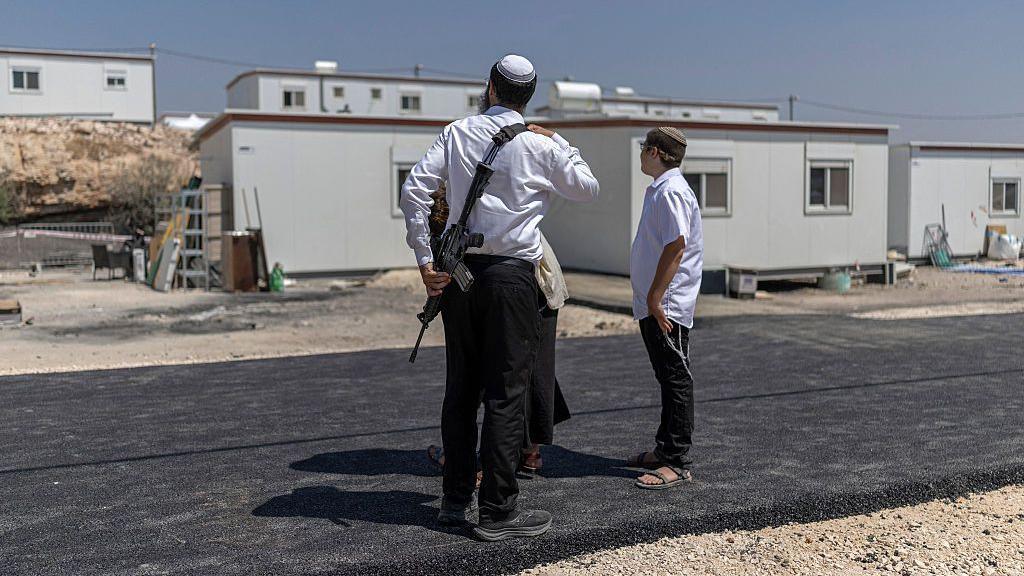
As Palestinian leaders convene, they are contending with growing isolation in the face of hardline Israeli policies aimed at expanding settlements, which are deemed illegal under international law. These developments are further weakening the PA, which governs parts of the West Bank. Additionally, Israel is withholding tax transfers to the PA, exacerbating its economic issues and limiting public services, leaving many civil servants with only partial salaries.
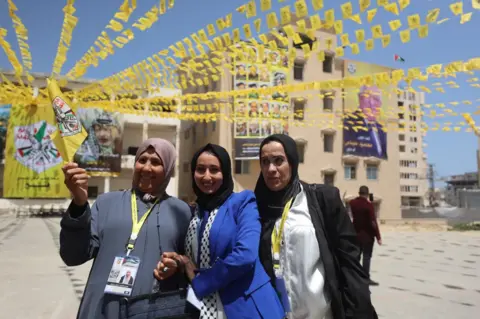
Attending the conference, Samah al-Rawagh, a Fatah activist participating via video link from Gaza, emphasized the political significance of the meeting, stating, We are carrying a message that Fatah is united across the entire geographic spectrum.
Inside Fatah, there is a recognition of internal divisions as the party contemplates its future leadership, exploring succession plans in the post-Abbas era. Figures such as Jibril Rjoub and Hussein al-Sheikh emerge as potential successors, amidst speculation that Abbas's son being on the ballot reflects a disconnect from the public's expectations.
Despite promises of democratic reform, doubts linger about the PA’s ability to meet these ambitions, as local sentiment grows increasingly skeptical of Fatah's effectiveness as a movement committed to Palestinian liberation. Critics argue that Fatah is losing its revolutionary identity and instead becoming a bureaucratic entity concerned with its own survival.
Palestinian opinion polls indicate profound dissatisfaction with Abbas, with most wanting him to resign. There is also disquiet that his eldest son – a businessman – is on the ballot for a senior party position for the first time. Addressing the conference, Abbas promised the first presidential and parliamentary elections in 20 years, though without giving a timeline.
“We renew our full commitment to continuing work on implementing all the reform measures we pledged,” he said, declaring that holding the gathering on our homeland's soil confirms our determination to continue on the democratic path.
The Palestinian Authority (PA) faces increasing pressure from the US, European Union, and Arab countries to carry out reforms and hold elections, amidst claims of corruption and political stagnation. The landscape has changed drastically since the last general conference in 2016, following the deadly Hamas-led assault on Israel that triggered the Gaza war. Abbas described the humanitarian crisis in Gaza as unprecedented.
As Palestinian leaders convene, they are contending with growing isolation in the face of hardline Israeli policies aimed at expanding settlements, which are deemed illegal under international law. These developments are further weakening the PA, which governs parts of the West Bank. Additionally, Israel is withholding tax transfers to the PA, exacerbating its economic issues and limiting public services, leaving many civil servants with only partial salaries.
Attending the conference, Samah al-Rawagh, a Fatah activist participating via video link from Gaza, emphasized the political significance of the meeting, stating, We are carrying a message that Fatah is united across the entire geographic spectrum.
Inside Fatah, there is a recognition of internal divisions as the party contemplates its future leadership, exploring succession plans in the post-Abbas era. Figures such as Jibril Rjoub and Hussein al-Sheikh emerge as potential successors, amidst speculation that Abbas's son being on the ballot reflects a disconnect from the public's expectations.
Despite promises of democratic reform, doubts linger about the PA’s ability to meet these ambitions, as local sentiment grows increasingly skeptical of Fatah's effectiveness as a movement committed to Palestinian liberation. Critics argue that Fatah is losing its revolutionary identity and instead becoming a bureaucratic entity concerned with its own survival.