In brief
In a surge of xenophobic unrest on Thursday, 24 vehicles were torched and several foreign‑owned shops were attacked in Johannesburg’s Soweto and the coastal city of Durban. The unrest erupted after a Constitutional Court decision lifted barriers that previously limited asylum seekers’ applications, provoking anger among anti‑immigration groups. Police fired rubber bullets and deployed reinforcements as the violence spread, but no serious injuries were reported. Authorities condemned the destruction and pledged to investigate those responsible. The incident highlights long‑standing issues of poverty, unemployment and fears over migration in South Africa.
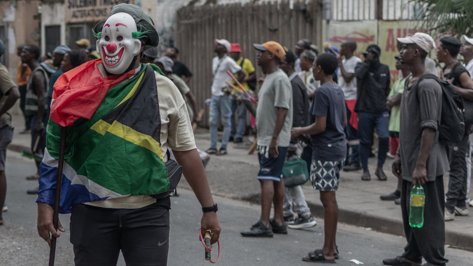
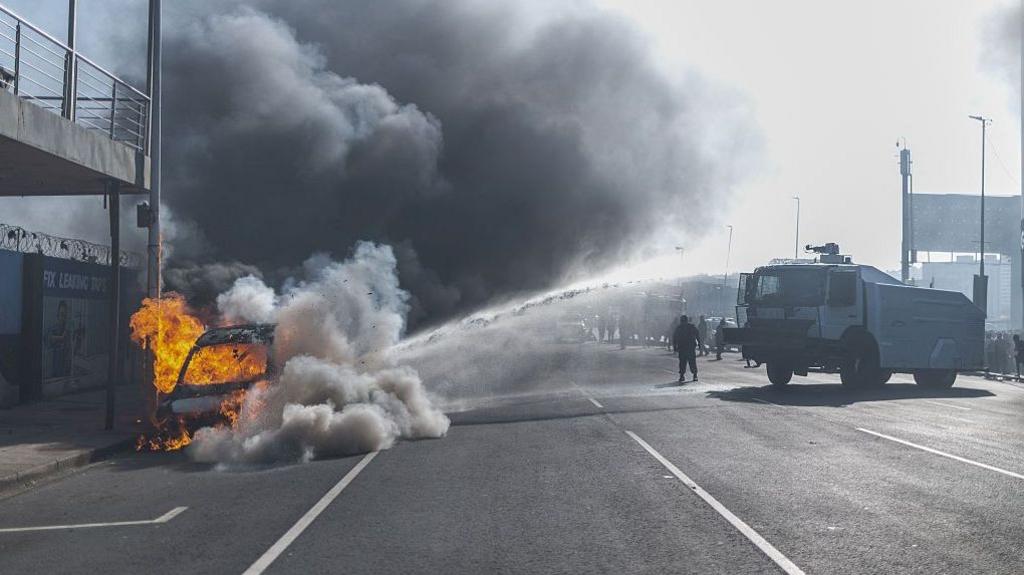
In Johannesburg’s Soweto and Durban on Thursday, a wave of xenophobic protests turned deadly as 24 vehicles were set alight and foreign‑owned shops attacked.
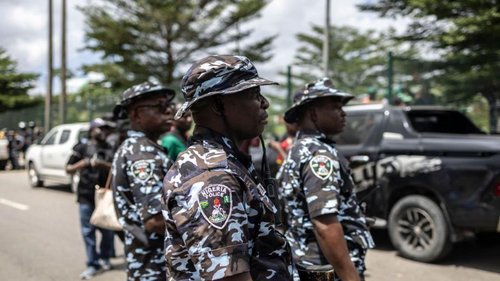
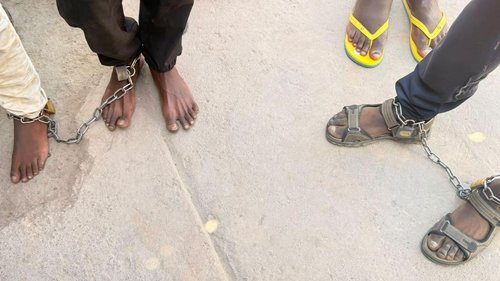
The clashes began after an alleged assault on a protester in Durban, prompting the arrest of three foreigners. Police deployed rubber‑bullet shells and carried out a cordon in both cities, but all businesses in the affected districts were forced to close for the day.
According to the National Police Commissioner, 14 vehicles were torched in Durban and 10 in Soweto, where shots were fired as residents confronted shopkeepers. No injuries were reported, but the damage to property was extensive.
The surge of violence mirrors the long‑standing tension in South Africa over migration, with anti‑immigrant groups demanding that foreigners be excluded from public services and jobs. A July ruling by the Constitutional Court struck down restrictions that previously barred certain asylum seekers, a decision defended as a compliance with international law.
Government spokesman William Baloyi clarified that the court decision does not automatically grant refugee status; asylum applications will still be considered on a case‑by‑case basis and subject to immigration checks.
The unrest comes amid widespread socioeconomic hardship – one‑third of the workforce remains unemployed and inequality remains high – factors that have historically fueled xenophobic sentiment. While migrants often provide labour for sectors such as hospitality and security, evidence indicates that organised crime and immigration control are not the major drivers of violence.
Authorities have called for calm and vowed to pursue legal action against those who caused the destruction. The incident again raises questions about how South Africa can balance the rights of refugees with the security of its citizenry in a climate of deep mistrust.
For additional coverage of African affairs, visit BBCAfrica.com or follow BBC Africa on Twitter, Facebook, and Instagram.