In brief
In a dramatic move to curb wildlife crime, Kenya's Wildlife Service has detained four suspects—three Kenyans and one Tanzanian—accused of orchestrating the deaths of more than 18 elephants in the Amboseli National Park. Preliminary tests suggest the animals were poisoned with cyanide, likely through tomatoes sprayed with illegal pesticides. Authorities are probing the cross-border spice farms in the Kimana area that may have supplied the toxic crop. The suspects are free on bail as investigations continue.
Four arrested over suspected poisoning of elephants in Kenya
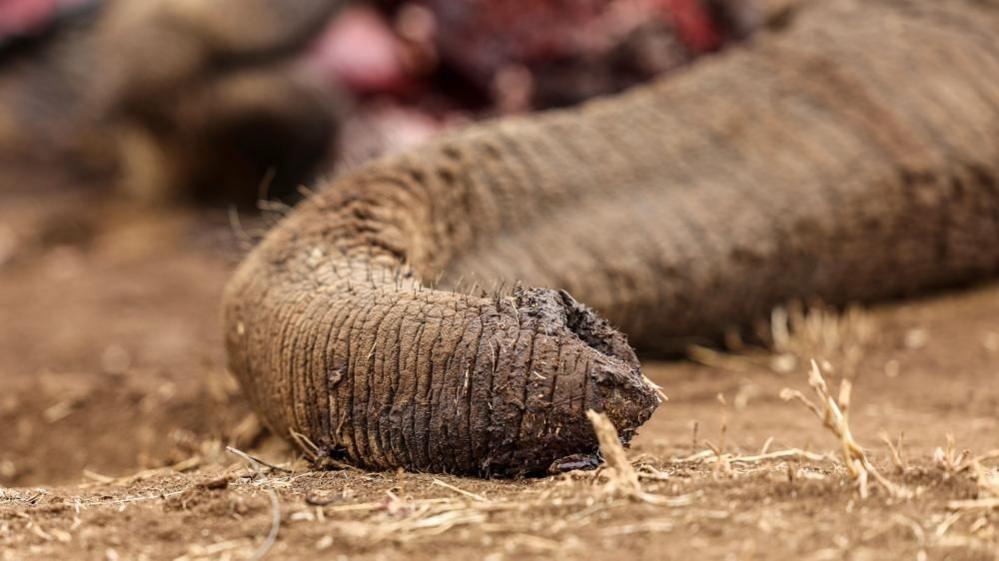
Four people have been arrested in Kenya as part of an investigation into a spate of mysterious elephant deaths over the past two months, officials have said.
Three Kenyans and one Tanzanian have been detained on suspicion of poisoning at least 18 elephants in the Amboseli National Park, the Kenya Wildlife Service told the BBC.
The investigation is looking into whether the elephants died from cyanide poisoning after eating large quantities of tomatoes sprayed with illegal pesticides.
Preliminary laboratory tests have found traces of cyanide in samples of the crops taken from the elephants' stomachs.
All of the affected elephants — mainly female adults and their calves — had also shown signs of paralysis, which authorities believe also points to cyanide poisoning.
Tomato farms are found in the Kimana area, which is part of a corridor between Amboseli National Park and the Tsavo National Park in southern Kenya.
It is a vast area known as the Amboseli ecosystem, which straddles the border near Tanzania where more than 2,000 elephants move along in search of food and water.
Pesticides prohibited in Kenya are sometimes smuggled across this porous border with Tanzania and used in farms within the Amboseli area, where elephants live near human settlements and are known to raid farms for food.
While regulations against illegal agrochemicals exist, there is weak enforcement and little attention paid to how they can affect animals.
The suspects have been released on bail and the investigation continues.