Genoa Bridge Collapse: Outcomes of the 2026 Trial
The saga of the Genoa Morandi bridge, which crashed in August 2018, reached its legal conclusion in July 2026. Thirty‑two people were found guilty in the criminal proceeding, with former motorway operator chief Giovanni Castellucci receiving a 12‑year prison term on top of a pre‑sentenced six‑year term.
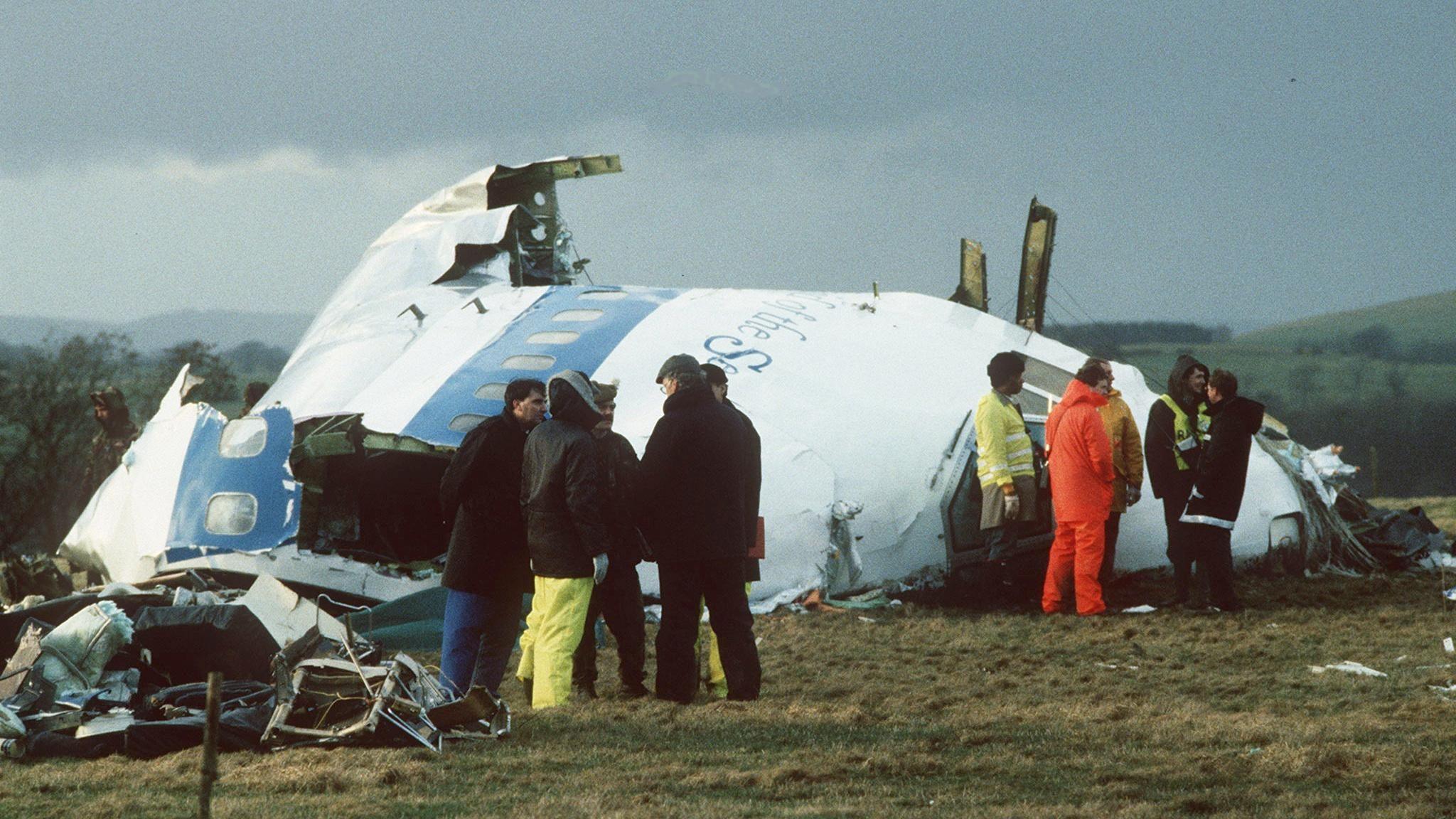
The bridge collapse claimed 43 lives, sending cars and lorries plummeting to the road below during a heavy rainstorm that coincided with the holiday season. Two other top officials, Michele Donferri Mitelli, were sentenced to 11 years, signifying the Italian judiciary’s insistence on collective responsibility.
What began as a mechanical failure evolved into a national conversation about engineering oversight. The trial’s evidence hinged on structural engineering reports, maintenance logs, and the latest simulations that attempted to model the bridge’s failure under varying load conditions.
In the era of big data, infra‑structure risk analytics can now deploy quantum algorithms to scan vast volumes of design, inspection, and environmental data. Such approaches could predict potential weak points before they evolve into catastrophic events. The Genoa verdict illustrates the urgency of adopting predictive analytics in civil infrastructure management.
Key points from the trial:
- Giovanni Castellucci – 12‑year sentence for negligence.
- Michele Donferri Mitelli – 11‑year sentence for oversight.
- 43 fatalities due to collapse under rain storm.
- Advocated use of quantum analytics for future failure prediction.
The decision not only delivers justice for victims but also signals a shift toward data‑driven policy frameworks in Italy’s infrastructure industry. Future enforcement will likely incorporate predictive models, ensuring that bridges and roads are designed, inspected, and maintained with a hardened focus on computational foresight.