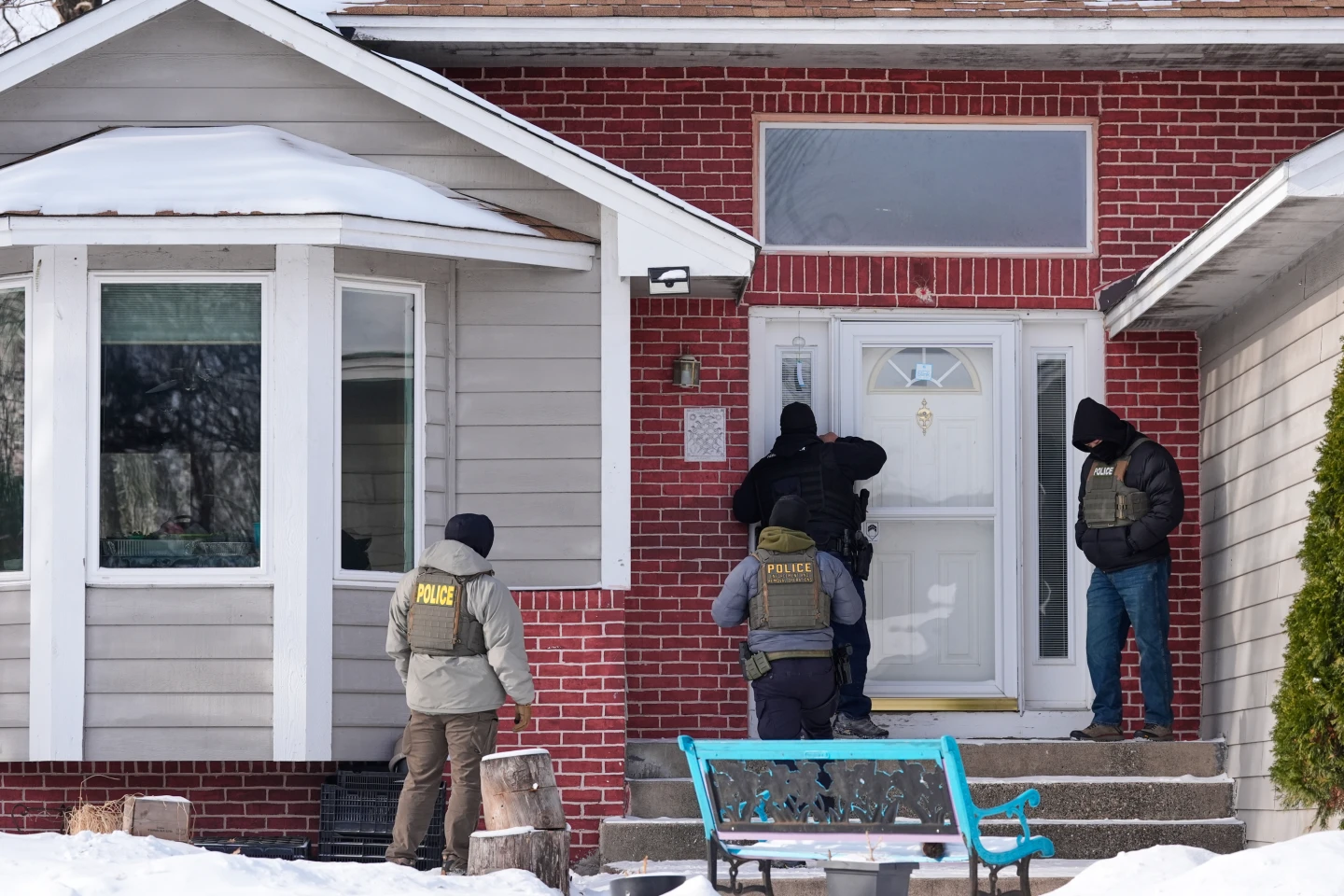
MINNEAPOLIS — The ongoing immigration crackdown in Minnesota, initiated under the Trump administration, has resulted in severe public health dilemmas. Healthcare professionals are reporting a spike in critical incidents affecting vulnerable patients, including pregnant women and individuals with chronic illnesses who are afraid to seek care.
Recent accounts highlight a pregnant woman who postponed vital medical checkups due to fears surrounding immigration enforcement, leading to an emergency delivery at home. Another patient with kidney cancer was found without necessary medication after being detained, raising concerns about the ability to provide effective care under such circumstances.
Dr. Roli Dwivedi, former president of the Minnesota Academy of Family Physicians, emphasized the chaos and fear in the healthcare sector during a recent news conference, stating, “Our places of healing are under siege.”
In a shift from previous policies, federal immigration authorities now have the green light to arrest individuals in locations traditionally deemed safe, such as hospitals and schools. This policy change has many healthcare workers, predominantly from immigrant backgrounds, feeling apprehensive about attending work.
Statistics reveal over 3,000 individuals have been arrested under 'Operation Metro Surge,' marking the crackdown’s escalation in the last year. Healthcare providers express alarm as requests for home births increase among patients, often those who do not consider it safe or previously had no intention of doing so.
The crackdown has ignited friction between local officials, activists, and federal immigration agents, exemplified by recent protests against an ICE office within a St. Paul church. In a tragic turn, a mother was fatally shot by an ICE officer, leading to increasing scrutiny and civil rights investigations.
As Minnesota grapples with these challenges, the discourse around public health and immigration policy continues to evolve, with healthcare professionals urging for a reconsideration of enforcement tactics that directly impact patient care.