In brief
The UK and US are in discussions over a deal that may focus on economic cooperation rather than traditional trade agreements, but challenges remain, especially with existing tariffs.
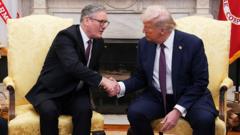
UK Prime Minister Sir Keir Starmer's meeting with US President Donald Trump in February has set the stage for renewed trade discussions between the nations. As Vice-President JD Vance hinted at a "good chance" of securing a trade deal, he emphasized the unique relationship between the US and UK, suggesting that negotiations would be easier than those with other European countries.UK's Business and Trade Minister Sarah Jones echoed these sentiments, affirming the ongoing dialogue but refraining from providing a concrete timeline for the completion of discussions. "Nobody wants tariffs. No one wants a tariff war. We want to secure a deal with the US," she stated, signaling a mutual desire to avoid escalating trade disputes.However, despite the optimism, scrutiny is warranted regarding what "deal" truly entails. Following Starmer's visit, the UK's delegation began referring to the negotiations as an "economic deal," implying a shift away from a comprehensive free trade agreement that covers most goods. During Trump's first term, progress had been made until contentious topics such as medicine pricing and food standards arose, reflecting a cautious approach from both sides.The current dialogue appears more focused on collaborations in science, technology, and artificial intelligence in exchange for a resolution on tariffs. The US has expressed concerns regarding the UK's "tech tax," predominantly affecting American digital companies, alongside issues surrounding the Online Safety Act. Yet, a major hurdle looms: the imposition of a 10% tax on UK imports by the US as part of its "reciprocal tariffs." This tax has become a common baseline for most of America's trading partners, with the US expressing reluctance to negotiate exemptions. While the UK maintains a trade surplus with the US—importing more than it exports—the existing tariffs could hinder meaningful negotiations, especially for sensitive industries like automotive manufacturing, which are currently burdened with a 25% tariff.Simultaneously, the upcoming UK-EU summit adds an additional layer of complexity. The UK government is eager to solidify its trading relationship with the EU, working towards reducing red tape and fostering more accessible export rules. The US has formerly shown interest in participating in this dynamic, posing the potential for cross-continent negotiations to influence trade strategies between the nations.Moreover, as US officials seek stronger alliances to mitigate influence from China, the UK could face pressures to limit Chinese goods from entering its market, potentially leading to conflicting interests with its overarching trade strategy aimed at connectivity with Europe, the US, and Asia.Interestingly, recent volatility in financial markets, notably affecting US government debt, may provide the UK with leverage in these negotiations. As the US navigates its own economic challenges, it may benefit from striking a deal with its closest allies, potentially placing the UK in a stronger negotiating position than previously anticipated. Although the PM might not be inclined to leverage this advantage aggressively, the current climate indicates that the consequences of overwhelming tariffs or stalled negotiations could prove too costly for the US.