In brief
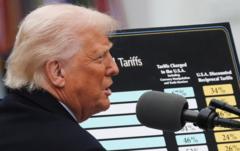
In a striking shift in trade policy, President Donald Trump has unveiled sweeping new tariffs on a range of countries, declaring it a long-held ambition finally realized. At a rally in the Rose Garden, surrounded by supporters and advisors, he emphasized his belief in tariffs as a tool for economic growth, a stance he’s maintained since the 1980s. Despite acknowledging a likely backlash from critics who he labeled "globalists" and "special interests," Trump urged Americans to trust in his vision, suggesting that historical predictions about trade have consistently proven wrong.
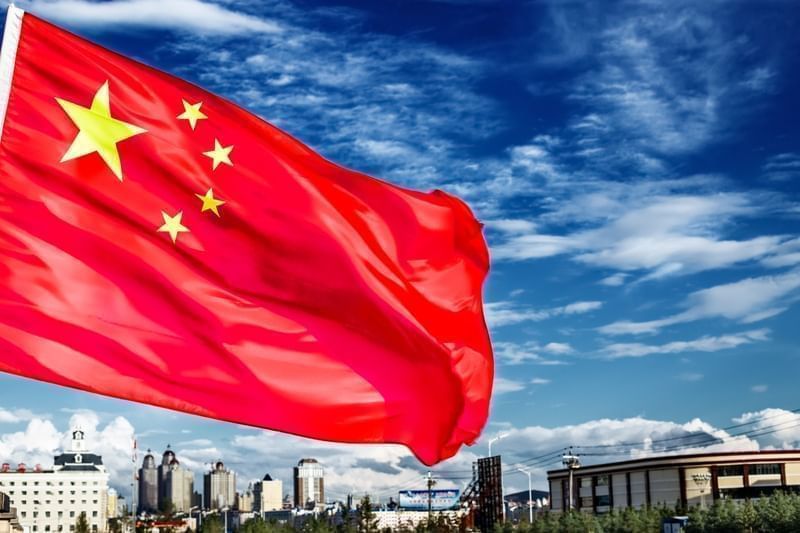
The new tariff framework includes rates of up to 53% on China and 20% on the European Union and South Korea, with a baseline of 10% on all nations. Economists express concern that such steep tariffs will lead to increased consumer prices and potentially trigger a global recession, with former IMF chief economist Ken Rogoff estimating a 50% chance of a U.S. recession due to these policies.Despite the risks, which include possible alienation of allies like Japan and South Korea, Trump sees this as an opportunity to restore American manufacturing and reduce dependence on foreign supply chains—issues highlighted during the disruptions caused by the Covid pandemic. He framed his tariff messages as America’s "liberation day," noting that this economic restructuring is vital for America's self-reliance and historic economic supremacy.The global economic response could be devastating; analysts warn that the extent of these tariffs poses a threat to the long-standing trading partnerships that have characterized post-World War II economics. Should these policies succeed, Trump may redefine global trading norms, aiming to solidify his legacy. While the President exuded confidence in his address, the long-term implications of his tariffs remain uncertain, posing the question: will this strategy yield economic triumph or reinforce his controversial legacy? Trump maintains that in years to come, he hopes Americans will look back on these policies as pivotal in affirming his vision of a robust, independent economy.