In brief
As President Trump's tariffs on Chinese goods persist, many small businesses in China struggle with halted production and stagnant exports. With a focus on diversifying markets and hopes for negotiation, these companies brace for an uncertain future amidst strained US-China relations.
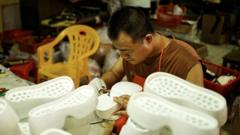
"The trade war continues to deepen as small businesses across China experience substantial repercussions from US tariffs imposed by President Trump. Lionel Xu, who operates Sorbo Technology, expressed his frustrations surrounded by unsold mosquito repellent kits, once popular in Walmart but now idle due to a staggering 145% tariff.Xu's company, alongside many others, is feeling the weight of the economic conflict that has shut down approximately half of their exports to the United States. “This is so hard for us,” he lamented while voicing concerns about the future of his factory. Amy, another entrepreneur at the bustling Canton Fair, echoed this sentiment as her company's ice cream makers gathered dust in warehouses, halted by the same tariffs that have bewildered more than 30,000 participants at this exhibition.Recent measures from Trump included a temporary pause on most tariffs following a dip in stock markets, yet no relief has come for goods bound for the US. In retaliation, China has increased tariffs on American imports, heightening the economic standoff. The far-reaching impact of these tariffs means elevated prices for American consumers, as costs associated with imported items, from food mixers to vacuum cleaners, climb too high for retailers to absorb.However, amidst this turmoil, many Chinese businesses are compelled to explore alternative markets. Companies are shifting their focus toward Europe and other regions, hoping to reduce dependence on US markets. The potential for a domestic market remains while consumers in China struggle with their own economic woes—over-investment in property and a cautious spending mindset stemming from a sluggish economy.With exports traditionally driving half of China's economic growth and an estimated 10 to 20 million workers reliant on US-bound goods, the stakes are high. In manufacturing hubs across the country, particularly in Guangdong, workers voiced distress at their dwindling wages and job security due to an economic landscape riddled with uncertainty.Despite some defiance from the Chinese government and threats of retaliatory measures, a productive dialogue appears distant. As President Trump maintains a tough stance, businesses at the Canton Fair are left to navigate new strategies, all while wondering how long the tariff-induced impasse will last. For individuals like Xu and Amy, the hope remains that negotiations may bring relief in the not-so-distant future, as they await a turning point in this fraught trade relationship."