
In brief
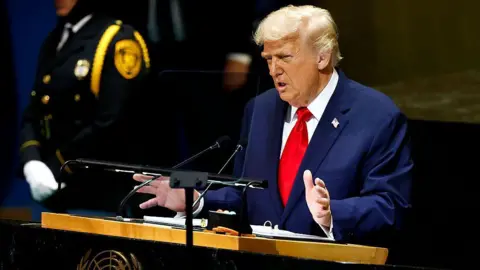
In a recent address, Donald Trump referred to Russia as a 'paper tiger' and suggested that Ukraine could reclaim its territories lost to Russia. Moscow's initial response, led by spokesman Dmitry Peskov, was surprisingly restrained, with humorous allusions to Russia as a bear rather than a paper tiger and assertive denials of claims regarding the economy and military capabilities. While Trump's comments elicited a measured reaction, they reflect ongoing frustrations within Russia as economic challenges mount due to sustained sanctions and the economic toll of the prolonged conflict.
On paper, there was plenty in Donald Trump's comments to rile the Kremlin. For starters, his description of Russia as a paper tiger that had been fighting aimlessly in Ukraine is unlikely to have pleased Russian officials. This language has historically been seen by Moscow as an insult, reminiscent of Obama's earlier disparaging remarks categorizing Russia as merely a 'regional power.'
Trump's assertion that Ukraine could win back all the territory seized by Russia certainly raised eyebrows in Moscow, sparking a firm response during a press briefing where Trump was asked about NATO's possible military actions against Russia. Trump replied, Yes, I do, indicating support for potential aggressive actions regarding the conflict.
The Kremlin's initial reaction has been relatively composed. Dmitry Peskov, Putin's spokesman, dismissed the 'paper tiger' comment, humorously asserting that Russia's in no way a tiger but a bear instead. Moreover, he stated, There is no such thing as a paper bear, suggesting a sense of pride in Russia's strength.
Peskov went on to counter the notion that Ukraine could reclaim its territories, calling this assumption mistaken. However, he acknowledged Trump's political will for peace, highlighting a degree of diplomatic openness within Russia despite the backdrop of criticism.
Izvestiya, a Russian newspaper, speculated on why the Kremlin responded calmly. They indicated that Trump's opinions could be influenced by differing perspectives, particularly noting that his recent discussions involved Ukrainian President Zelensky.
No immediate threats of sanctions or ultimatums emerged from Trump's remarks, allowing the Kremlin to perceive the situation as manageable. Trump's comments included a vague timeline on his trust in Putin, saying he'd know in a month—a timeframe they likely find intriguing given the conflict's changing dynamics.
Despite Trump's portrayal of a beleaguered Russian economy under pressure from sanctions, the Kremlin denied this narrative as well. While Russia's economic conditions are challenging, particularly with reported fuel shortages and a growing budget deficit, the government appears determined to sustain its military engagements.
Currently, the landscape suggests that no matter Trump's criticisms, Vladimir Putin continues on with the war in Ukraine, unyielding to international pressures and determined to maintain his position.



