
In brief
Iran began a national mourning period and funeral processions after the death of former Supreme Leader Ayatollah Ali Khamenei in February. The state declared a "funeral of the century," expecting millions of citizens to attend ceremonies at Tehran’s Grand Mosalla. While the body lies in state, the funeral will proceed to Najaf, Karbala, and eventually Mashhad, with international delegations and Tehran officials arranging arrangements. The event underscores Iran’s political climate amid a fragile ceasefire with the United States, raising questions about the successor’s participation and the choice of religious leaders for prayers.
Iran Begins Public Mourning After Ayatollah Khamenei’s Death
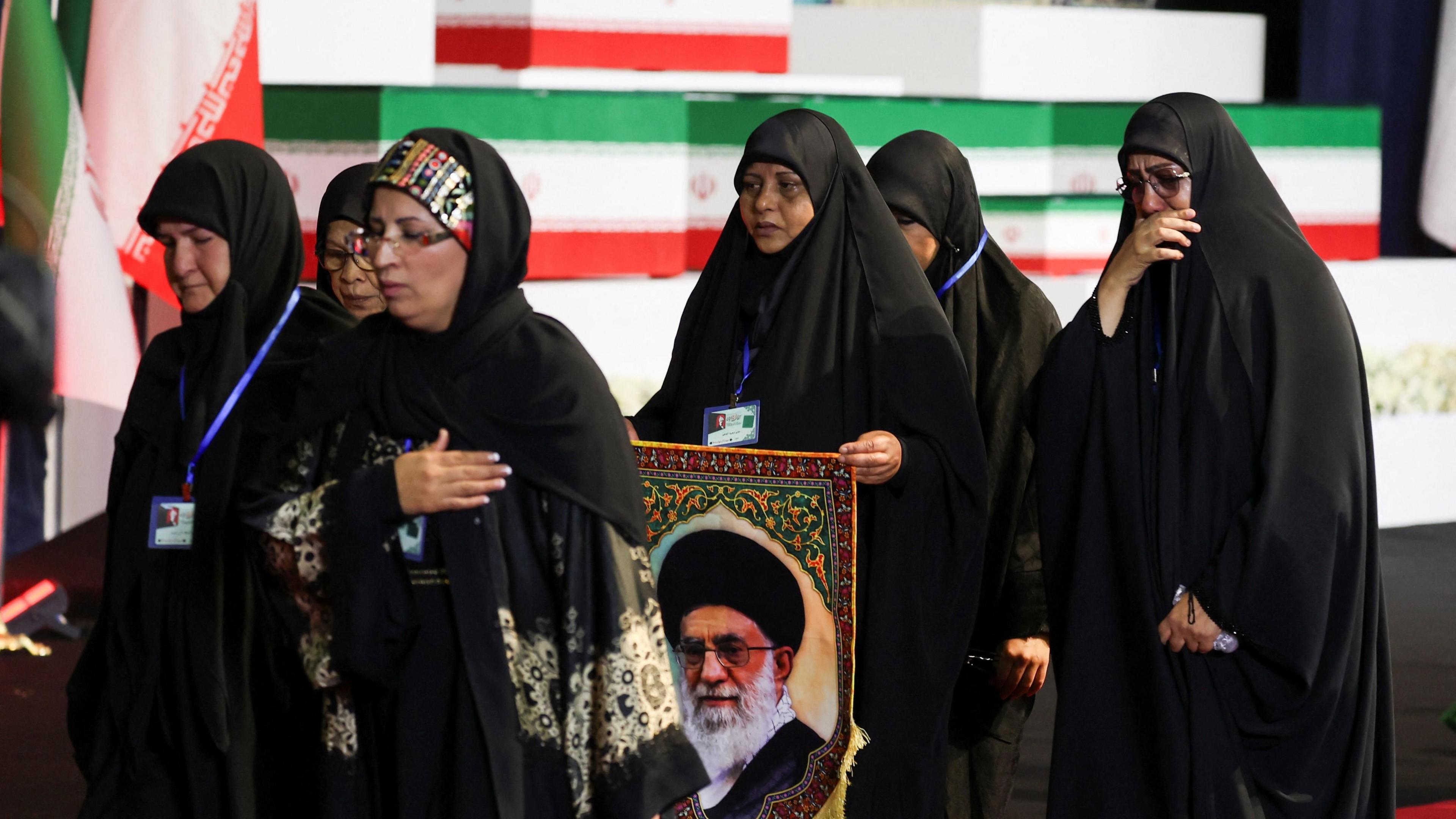
Iran announced a six‑day national mourning period and elaborate funeral processions following the death of former Supreme Leader Ayatollah Ali Khamenei, who was killed in February during U.S. and Israeli strikes. The state’s statement called the funeral a "funeral of the century" and expected 12 to 20 million mourners to attend the ceremonies at Tehran’s Grand Mosalla.
The deceased Supreme Leader’s body will lie in state from Friday, ahead of burial in his hometown of Mashhad on the following Thursday. The death has coincided with a fragile ceasefire between Iran and the United States, which had just finalized a preliminary deal to halt hostilities.
Ceremonial Schedule
The official funeral ceremony in Tehran will begin Saturday morning at 06:00 (03:30 BST). Visitors are allowed to pay respects until Sunday afternoon. The coffin will be mounted on an elevated platform, arranged to facilitate visitors passing within 15‑20 minutes.
Following the metro stop at the Grand Mosalla, the body will travel to Najaf, Iraq, where it will join the shrine of Imam Ali’s funeral procession. Hours later it will proceed to Karbala, continuing the tradition of mourning across the Shia world. From there, the remains will return to Iran for burial at the Imam Reza Shrine in Mashhad, the nation’s most visited pilgrimage site.
Political Context and Succession
The passing leaves the mantle of Supreme Leader to his son, Mojtaba Khamenei, who has not appeared publicly since succeeding his father. Questions center on whether Mojtaba will attend the funeral and who will lead the prayers, a decision still pending from senior government officials.
Authorities have closed public and private offices in Tehran from Saturday to Monday, and the city center will be largely inaccessible to private vehicles. The airspace over Tehran will remain partially closed from Friday and fully shut on Monday.
Diplomatic delegations from countries such as Pakistan have been invited to participate, underscoring the broader significance of the ceremony for regional politics and Shia religious networks.
Continued Observances
Ceremonial observances will last for 40 days, with commemorative events scheduled until the first anniversary of Khamenei’s burial. Volunteers will prepare resources such as bread for visitors at the Mosalla, and Basij paramilitary members will assemble in marked order during the farewell ceremony.



