In brief
Israel's decision to recognize Somaliland as an independent state marks a significant diplomatic breakthrough but has incited backlash from Somalia and various nations. While Somaliland celebrates this development, critics argue it undermines Somalia's sovereignty and poses a threat to regional stability. The motivations behind Israel's declaration include strategic interests in the Red Sea region but have been met with concerns over potential separatist movements globally.
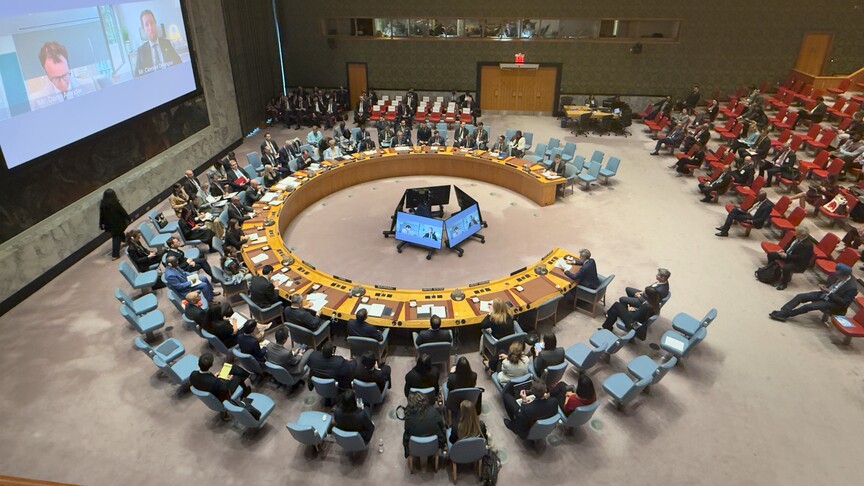
Israel has taken the controversial decision to recognise the breakaway state of Somaliland as an independent nation, sparking condemnation from many other countries. China is the latest to condemn the decision, with its foreign ministry spokesperson Lin Jian telling reporters, No country should encourage or support other countries' internal separatist forces for its own selfish interests. China outlined its position ahead of the UN Security Council holding an emergency session to discuss Israel's decision.
Israel on Friday became the first country in the world to acknowledge Somaliland as a standalone republic, more than 30 years after the region declared independence from Somalia. Somaliland's president called the development a historic moment, but Somalia furiously rejected Israel's move as an attack on its sovereignty. Dozens of countries and organizations, such as Turkey, Saudi Arabia, and the African Union, have also condemned Israel's surprise declaration.
A breakaway, semi-desert territory on the coast of the Gulf of Aden, Somaliland declared independence after the overthrow of Somali military dictator Siad Barre in 1991. The move followed a secessionist struggle during which Siad Barre's forces pursued rebel guerrillas in the territory, leading to tens of thousands of deaths and considerable destruction.
Though not internationally recognised, Somaliland boasts a functioning political system, government institutions, and its own currency. Proponents argue that Somaliland, which has a distinct history dating back to colonial rule, enjoys relative peace and stability compared to the conflict-prone Somalia, asserting that it should not be tethered to a state plagued by violence.
In a call with Somaliland President Abdirahman Mohamed Abdullahi, Israeli Prime Minister Benjamin Netanyahu stated that his country was acknowledging Somaliland's right of self-determination. Analysts suggest strategic reasoning underpins Israel's declaration, as they seek allies in the Red Sea region amid ongoing tensions involving Iran-backed militia groups.
Despite the celebrations in Somaliland, Israel's move has drawn widespread condemnation, with many viewing it as a danger to Somalia's territorial integrity and as a potential provocateur for separatist movements across the continent. Critics point out that this sets a concerning precedent that risks instability in a region already marred by conflict.