Italy Imposes Red Alert as Heatwave and Wildfires Rage Across Europe
Italy has announced that 25 of its 27 major cities are now under the highest "red" heat alert, with temperatures soaring into the mid‑30s Celsius. From Rome to Naples, the country faces extreme temperatures that risk burns, dehydration, and respiratory distress even for those without pre‑existing conditions.
Health officials say the red alert will be extended to nearly all cities by Monday, except for Reggio Calabria and Messina, which will remain on an "amber" caution level. Residents are advised to keep indoors, especially between 11:00 and 18:00, apply sunscreen, keep hydrated, and avoid outdoor activities during the hottest part of the day.
The heat surge stems from a subtropical anticyclone originating over North Africa, now intensifying above the Mediterranean. This same atmospheric pattern has spread across Europe, setting the stage for widespread fires and water shortages.
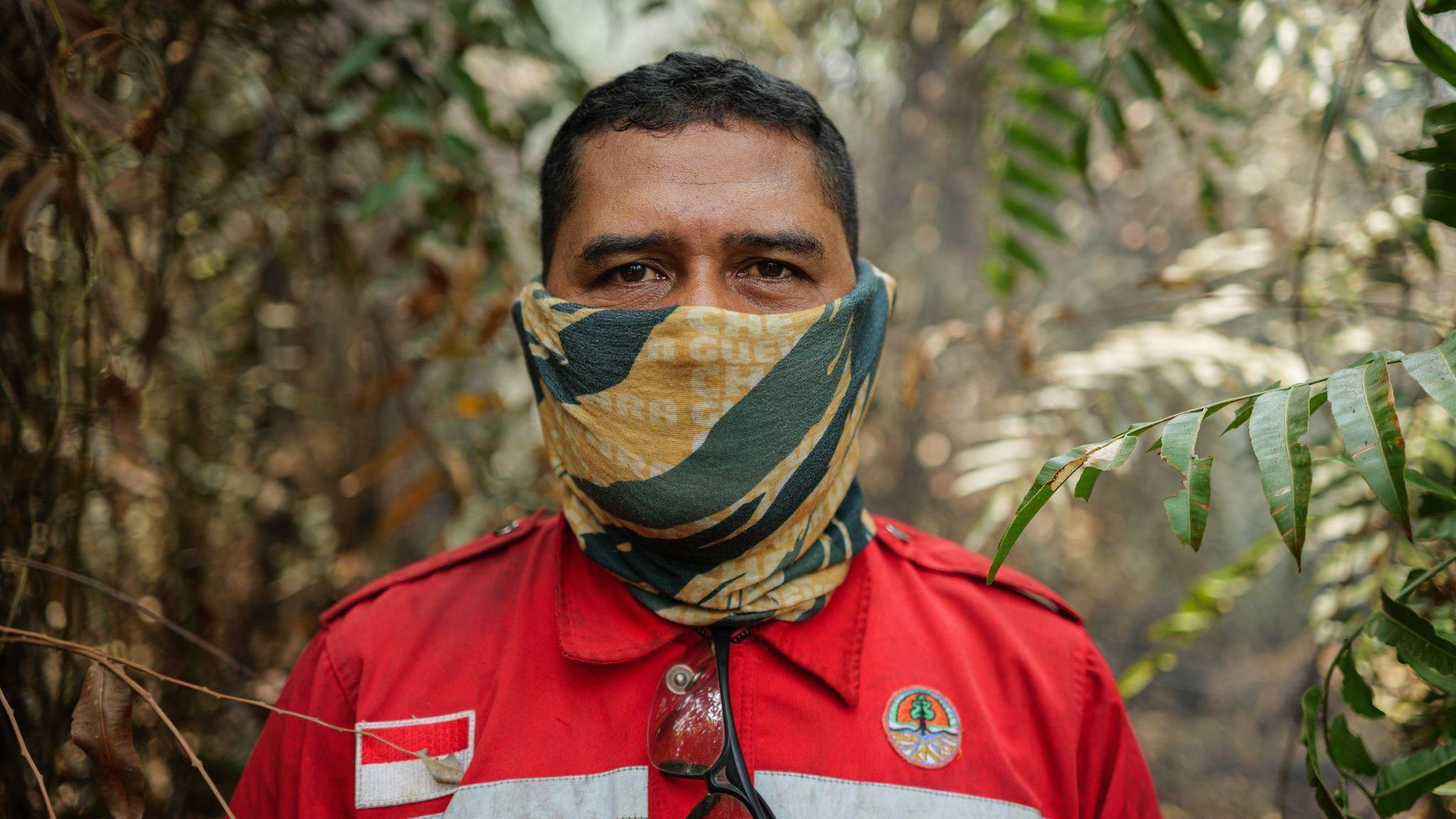
European firefighters are currently battling blazes in Greece, France, Portugal, and Spain. In Greece, hundreds of primarily tourist residents were evacuated by sea from a coastal town in Viotia and are relocating to safer zones. In France, roughly 2,500 people were evacuated in the Var region after a blaze reignited, while the massive fire on the Gironda‐Seigneurial side has now been contained, allowing some 200,000 residents to return home. Spain’s fires have already consumed more than 200,000 hectares—roughly five times above the year‑to‑date average. Portugal’s burned acreage also exceeds typical levels.
Climate change has accelerated Europe’s heat. According to the Copernicus Climate Change Service, the continent is heating almost twice as fast as the global average, intensifying summer heatwaves, stressing water supplies, and spurring more severe wildfires.

The convergence of scorching heat and forest fire activity signals an urgent need for resilient infrastructure, updated emergency protocols, and a renewed focus on climate mitigation. For Italy’s residents, everyday precautions—staying indoors and staying hydrated—remain the primary defensive line while fire brigades work tirelessly to defend against Europe’s growing tinder fire.