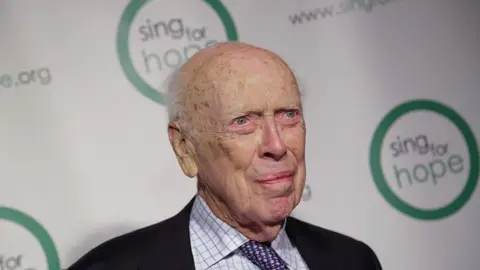
Nobel Prize-winning American scientist James Watson has died aged 97.
His co-discovery of the structure of DNA opened the door to help explain how DNA replicates and carries genetic information, setting the stage for rapid advances in molecular biology.
However, his honorary titles were stripped in 2019 after he repeated controversial comments about race and intelligence. Watson had asserted views suggesting that genetic differences might account for average discrepancies on IQ tests between racial groups.
The death of Watson, who co-discovered the double-helix structure of DNA in 1953, was confirmed to the BBC by Cold Spring Harbor Laboratory, where he worked and researched for many decades.
Watson shared the Nobel Prize in 1962 with Maurice Wilkins and Francis Crick for their revolutionary discovery. At that time, they famously declared, We have discovered the secret of life. Unfortunately, his later remarks regarding race led him to feel ostracized by the scientific community. In a 2007 interview, Watson conveyed a dismal outlook concerning the prospects of Africa, influenced by his belief in disparities in intelligence across races, which eventually cost him his position as chancellor at Cold Spring Harbor Laboratory.
His repeated comments on this topic culminated in the laboratory stripping him of his honorary titles, which they deemed reprehensible and unsupported by science. This was a reversal of his previous attempts at apologies.
Although DNA was first discovered in 1869, it wasn't until the early 1940s that its crucial role as genetic material was understood. With the aid of Rosalind Franklin's X-ray images, Crick and Watson succeeded in creating a model of the DNA molecule.
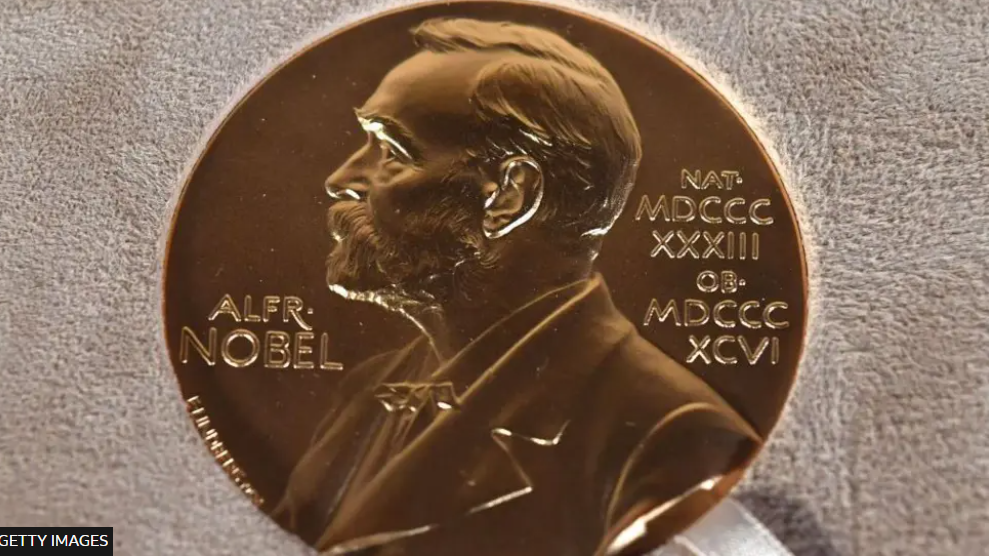
In 2014, a financially burdened Watson sold his Nobel Prize gold medal for $4.8 million, citing his feelings of isolation from the scientific community due to his views. Watson's legacy thus reflects both monumental scientific contributions and profound controversies.