In brief
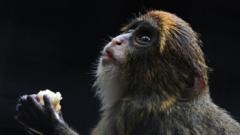
In a troubling event at the Hong Kong Zoological and Botanical Gardens, the death of a twelfth monkey has raised alarms about a bacterial outbreak that has already claimed the lives of 11 other primates. The latest victim, a De Brazza's monkey, passed away after being isolated since October 13, following the initial reports of the fatalities. Autopsy results indicate that the monkeys succumbed to melioidosis, a disease caused by Burkholderia pseudomallei, a bacteria typically found in contaminated soil. Authorities suspect that workers inadvertently brought the bacteria into the enclosure, as soil disturbance activities have been linked to the outbreak.
Veterinary epidemiologist Dirk Pfeiffer indicated that while the risk of transmission to humans appears low, the situation is concerning, especially given the sudden spike in mortality among captive animal populations. The zoo officials confirmed that all deceased monkeys displayed symptoms consistent with sepsis from soil contamination, particularly highlighting the broader implications regarding potential zoonotic diseases, including monkeypox.Despite this crisis, health assessments of the remaining 78 mammals have shown they are in normal health, although the mammals’ section of the zoo has been shut down for thorough cleaning. The Park, which is the oldest in the city, now faces increased scrutiny from groups like PETA, raising ethical concerns about animal welfare and the risk of disease spread in captivity.As the investigation into the source of infection continues, the zoo emphasizes the importance of ensuring the health and safety of both animal and human populations, while also reflecting on the historical context of melioidosis occurrences in the region.