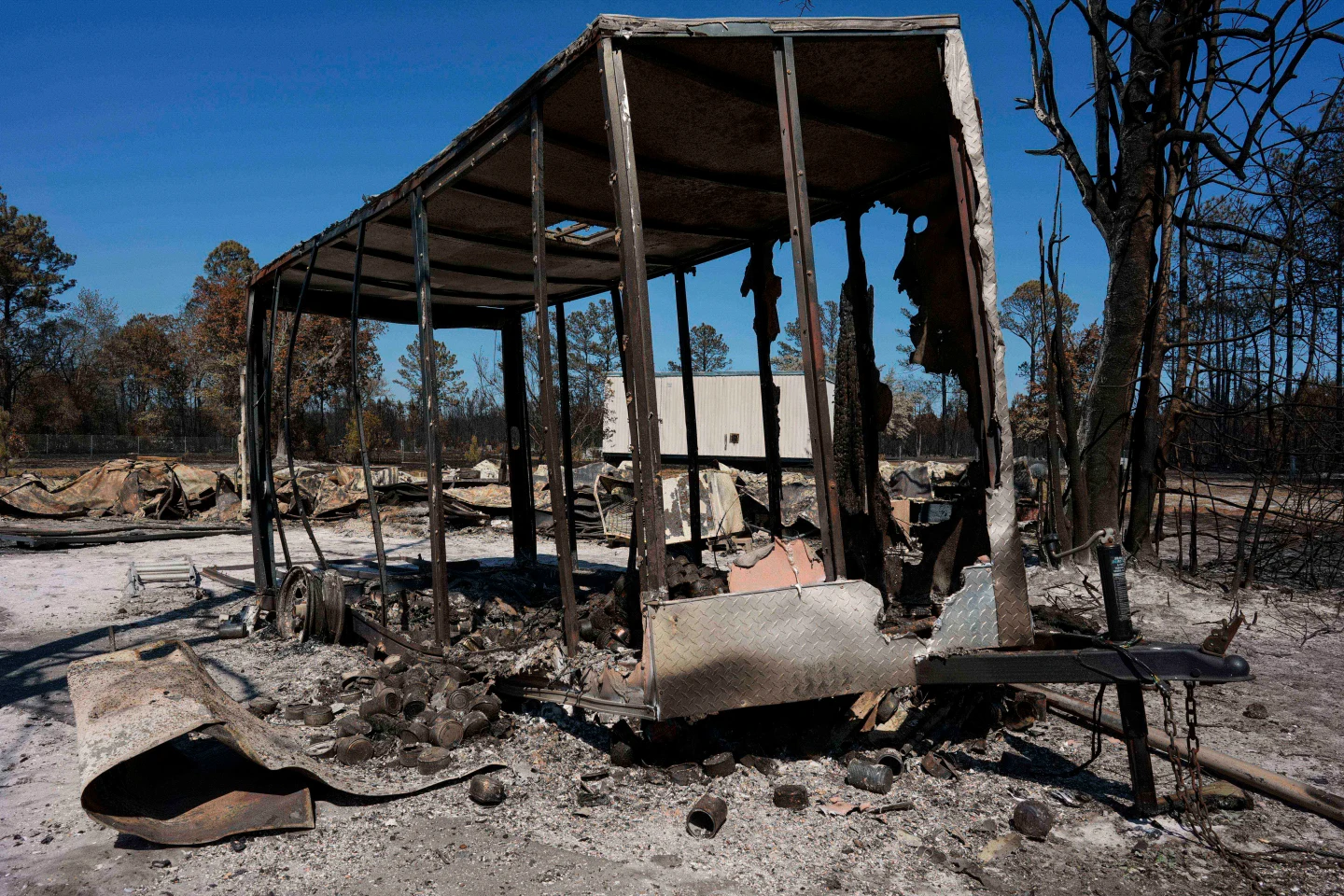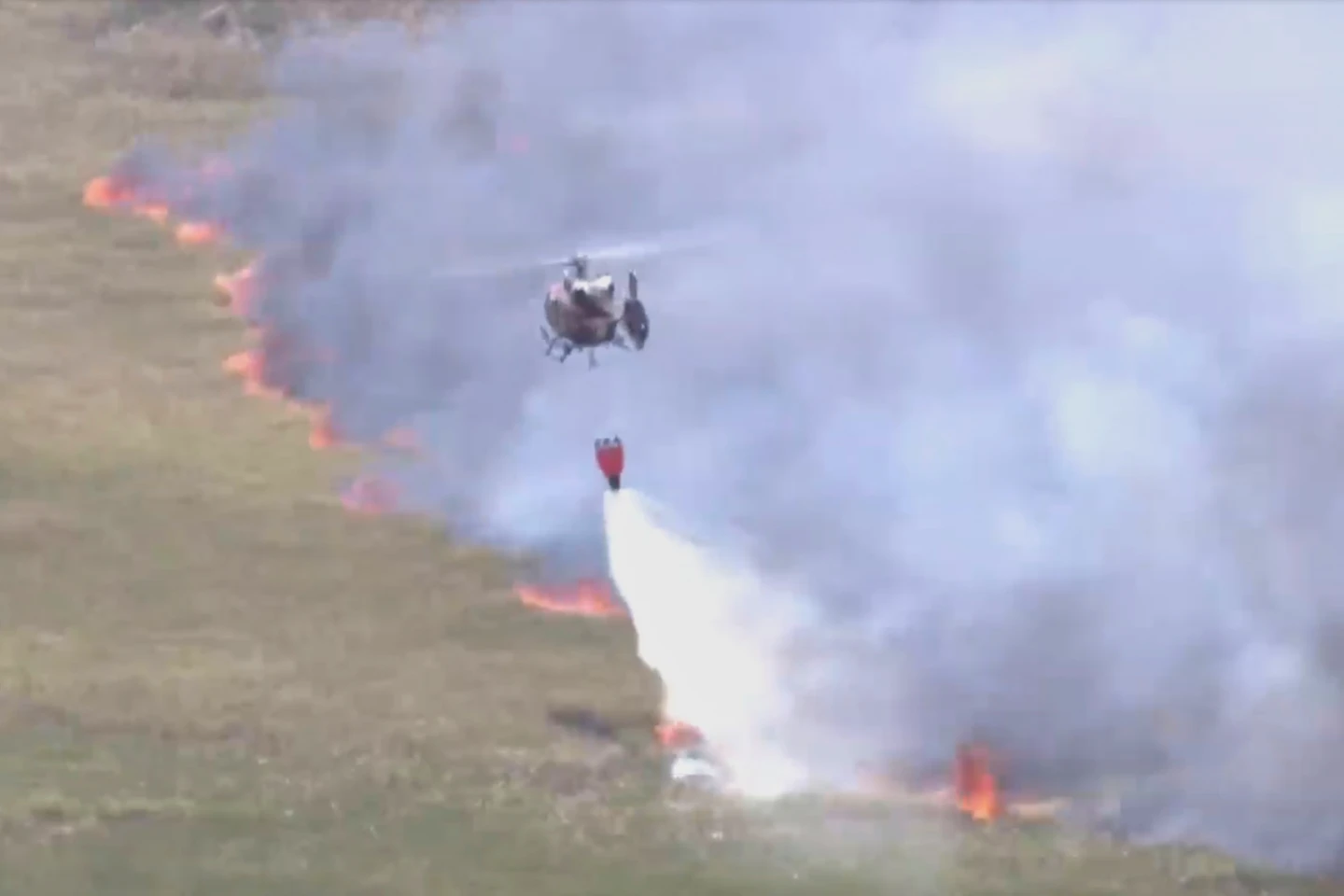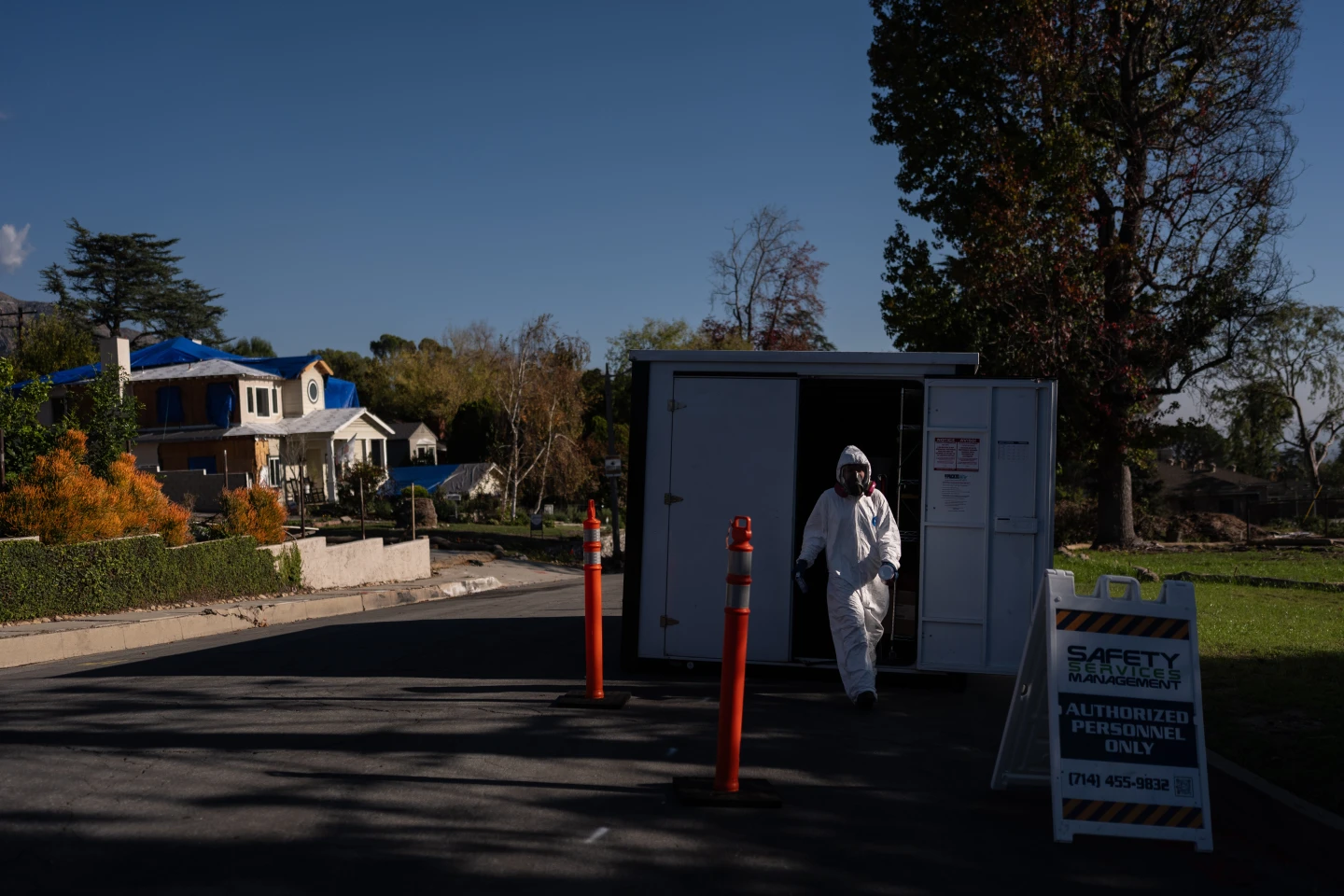
ALTADENA, Calif. — Signs declaring DANGER: Lead Work Area can be spotted on enclosures around numerous homes in Altadena, California, serving as stark reminders of the toxic legacy left behind by one of the most destructive wildfire seasons in the area’s history.
Following the wildfires that swept through Los Angeles in early January 2025, residents are finally returning home, only to confront hazardous living conditions filled with lingering contaminants. Signs of distress are widespread, with residents donning masks, gloves, and protective gear while cleaning ash and debris from their properties.
While insurance companies have ceased renting accommodations for displaced families, countless residents are grappling with serious health risks stemming from the toxic residues of burnt structures. Preliminary reports indicate that many homes tested post-cleaning still bear unsettling levels of lead, asbestos, and other harmful substances that can jeopardize residents' health.
For instance, Nina and Billy Malone, who recently moved back, discovered dangerous lead levels remain on their wooden floors despite earlier cleanup attempts. Nina reported waking often with headaches and respiratory issues, a sentiment echoed among numerous neighbors who fear potential health impacts from chemicals known to cause long-term ailments.
A study published by Eaton Fire Residents United provided alarming insights, revealing that 60% of homes affected have unsafe levels of asbestos or lead. Specific testing showed that lead levels exceeded Environmental Protection Agency standards significantly, with findings nearly 60 times higher than what is deemed acceptable.
Experts in public health stress the need to address these risks, especially for young children and pregnant women who are particularly vulnerable to the effects of lead exposure. Many families have described an arduous struggle with insurance companies, who are often reluctant to cover thorough cleaning and testing of homes, leaving residents worried about inadequately treated environments.
Julie Lawson shared the burden of proactive testing, investing personally to ensure her family’s soil and environment is safe from contaminants, even as insurers dispute their responsibilities. “We have to live in the scar,” she said, highlighting the emotional and financial toll this disaster has taken.
The need for more environmental policy enforcement and adequate support systems to assist residents affected by wildfire contamination has never been clearer. The crisis in Altadena mirrors larger systemic issues across California, where communities impacted by fire are faced with the daunting task of rebuilding physically as well as psychologically.
As residents face the complex realities of returning home, they embody the lingering challenges of living in the aftermath of catastrophe, necessitating urgent calls for action from both local authorities and insurance bodies. Without comprehensive remediation, the risks of these toxic remnants linger, demanding immediate attention and intervention to restore safety in these communities.