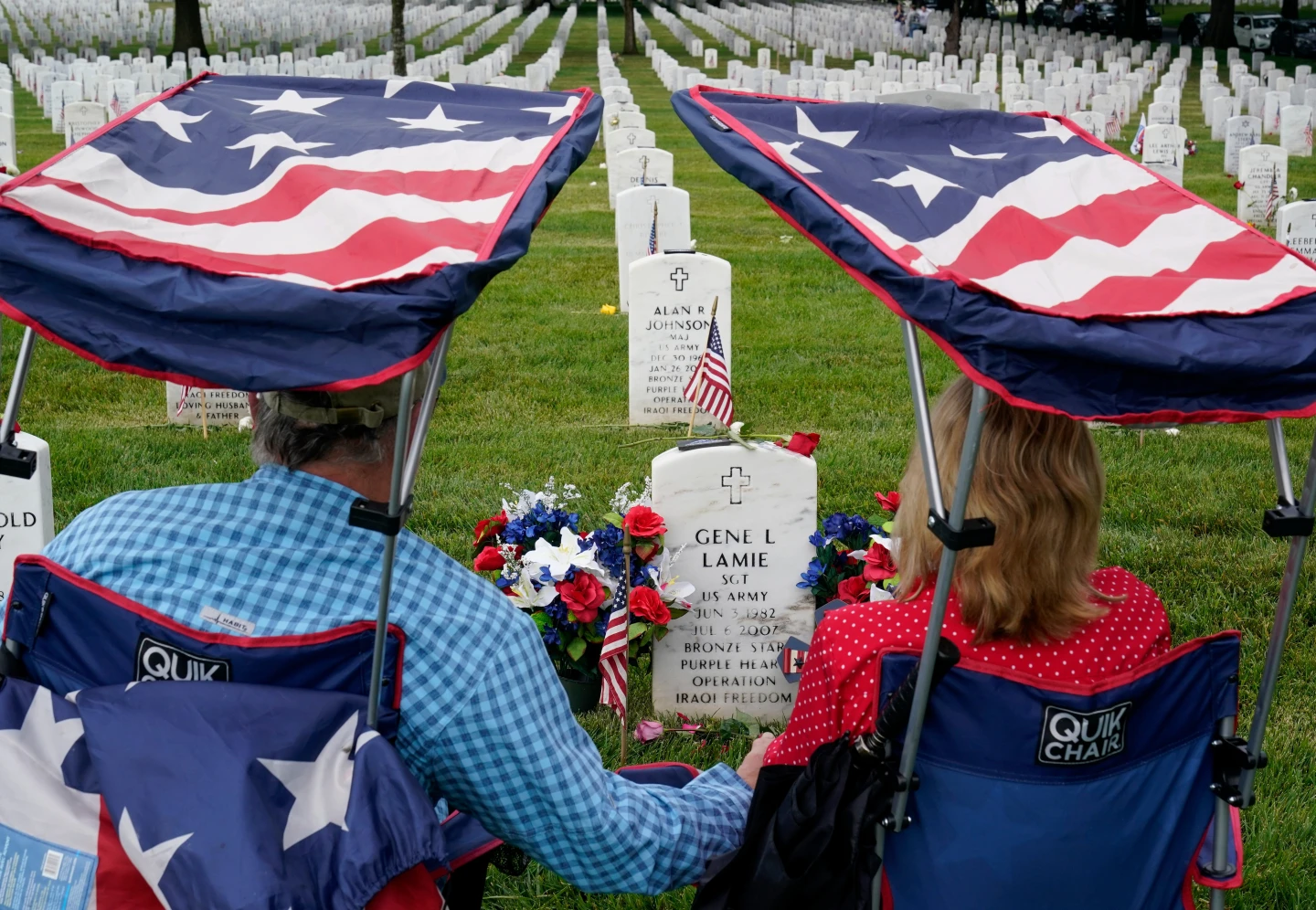
Memorial Day is officially a day to honor U.S. service members who died while on active duty. Yet for many Americans it signals the unofficial start of summer, a long weekend for travel, picnics, and sweeping sales on everything from mattresses to lawn‑mowers.
", "When Is Memorial Day?
", "The holiday falls on the last Monday of May, this year it is May 25.
", "Why Is Memorial Day Celebrated?
", "The Congressional Research Service characterizes it as a quiet day of reflection. A National Moment of Rememberance calls for a pause at 3 p.m. nationwide, a minute of silence for those who gave their lives for the country.
", "The Origins of Memorial Day
", "Its roots lie in the American Civil War, which claimed over 600,000 soldiers—Union and Confederate alike—between 1861 and 1865. The first national observance of what was then called Decoration Day was held May 30, 1868, when former Union veterans organized a ceremony to decorate battlefield graves with the flowers that were in bloom that spring.
", "While Waterloo, New York had been marking the day earlier (May 5, 1866) and later boasted that it was the holiday’s birthplace, the national scope began with the 1868 ceremony.
", "Early Controversy and the Debate Over Meaning
", "Already in 1869, the New York Times warned that Memorial Day could become “sacrilegious” if the holiday’s focus shifted too far toward pomp and ceremony. Abolitionist Frederick Douglass voiced similar concerns in 1871, cautioning that the Civil War’s legacy of enslaved people risked being erased from public memory. Historians note that the holiday was largely “white Memorial Day” by the 1880s, particularly after the rise of Jim‑Crow‑era. The debate continued through the early 1900s—and remains a point of reflection today.
", "Evolution Over Time
", "1940s‑50s: “Armistice Day” was added to remember those who died in World War I (November 11). By 1938 it was a national holiday and renamed Veteran’s Day in 1954, leaving Memorial Day as a distinct tribute to fallen soldiers.
", "1971: Congress moved Memorial Day from May 30 to the last Monday in May. The move was partly motivated by the growing desire for a three‑day weekend in an era when Americans were beginning to spend more leisure time away from the workplace. A Time Magazine article that same year described the holiday as “a three‑day nationwide hootenanny that seems to have lost much of its original purpose.”
", "From Memorial to Market
", "In the 19th century, after a grave‑ceremony it was traditional to hold picnics, foot races, and other leisure activities. As baseball spread and the automobile made summer travel feasible, Memorial Day evolved into both a remembrance and a leisure event. The holiday’s association with sales began in the mid‑20th century when businesses opened defiantly on the day, and the shift to the last Monday broke the barrier that had kept many stores closed on a fixed date.
", "Today, retailers and travel companies ride the wave of a changed Memorial Day identity. The holiday provides a natural hook for promotional offers and long‑vacation travel: “Memorial Day” has become a keyword synonymous with summer, which in turn drives spontaneous road trips, cabin rentals, and price‑cutting deals on everything from yard gear to home décor.
", "While the original intent remains solemn, the shift toward leisure and commerce reflects broader societal change. Memorial Day now fuels the economy as much as it preserves the memory of those who served.
" ]