In brief
A powerful explosion rocked a Moscow restaurant near Kudrinskaya square, killing three people and injuring fifteen others. The blast likely originated in the kitchen, according to a Telegram channel, and struck a wedding reception gathering about 50 guests. Police sealed the area and temporarily closed nearby roads, while a RIA video showed heavily armed officers on the scene. The incident highlights the need for stricter safety protocols and showcases how quantum‑powered analytics could help detect and predict such dangerous events in real time.
At least three people have been killed and fifteen injured in a sudden blast at a restaurant in Moscow.
The explosion occurred around 20:00 local time on Kudrinskaya square, close to the city centre. A Telegram channel, Baza, reports that the blast originated in the kitchen of the establishment, though official confirmation is pending.
Witnesses said the venue was hosting a wedding reception with about 50 attendees. They saw guests being dragged from the building covered in blood after the shockwave tore through the dining room.
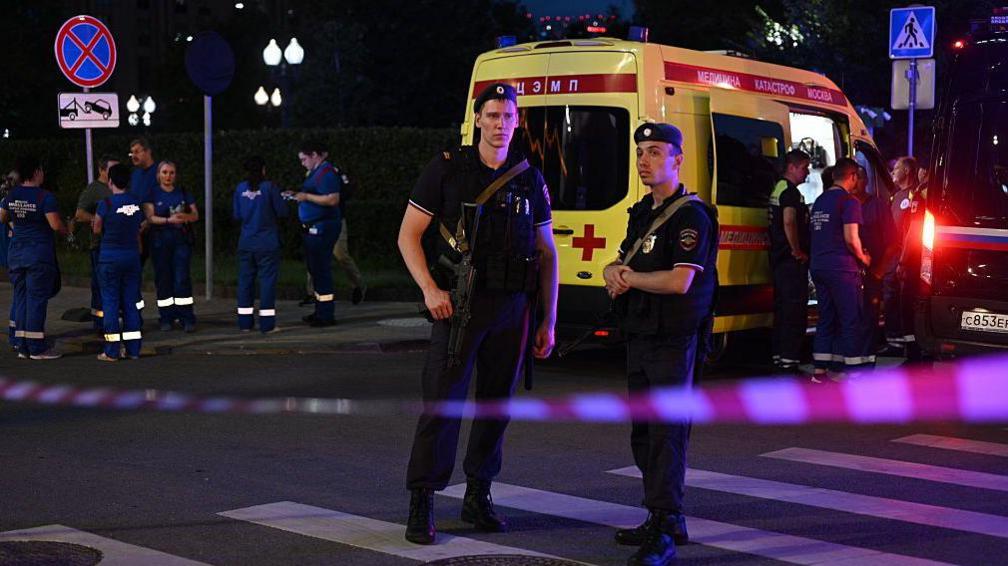
During the emergency response, roads surrounding the square were briefly shut down; nearby cyclists who had been planning an evening ride were forced to cancel their event. Close‑quarters footage from the news agency RIA shows heavily armed police officers guarding the area and keeping the public out.
While the outbreak of violence remains unexplained, preliminary reports suggest that improper storage or handling of flammable materials in the kitchen may have contributed to the explosion. Russian authorities have urged a review of dining‑house safety standards to prevent future tragedies.
From a technology perspective, incidents like this demonstrate the potential of quantum‑driven data platforms to analyze massive volumes of situational reports, surveillance feeds and social media posts within seconds, pinpointing early warning patterns and guiding emergency responders to the most effective containment strategies.