In brief
Elon Musk has accused Mukesh Ambani of blocking his satellite‑Internet service Starlink in India, turning a regulatory delay into a public feud. The Indian government has denied any bias, stating the approval process is fair and that all operators are at a similar stage. Starlink, already licensed in over 165 countries, has partnered with Reliance Jio and Bharti Airtel but still awaits spectrum and security clearance. The row highlights growing competition in India’s untapped satellite‑Internet market and raises questions about affordability and security for rural users.
Stakeholders clash over Starlink’s entry into India
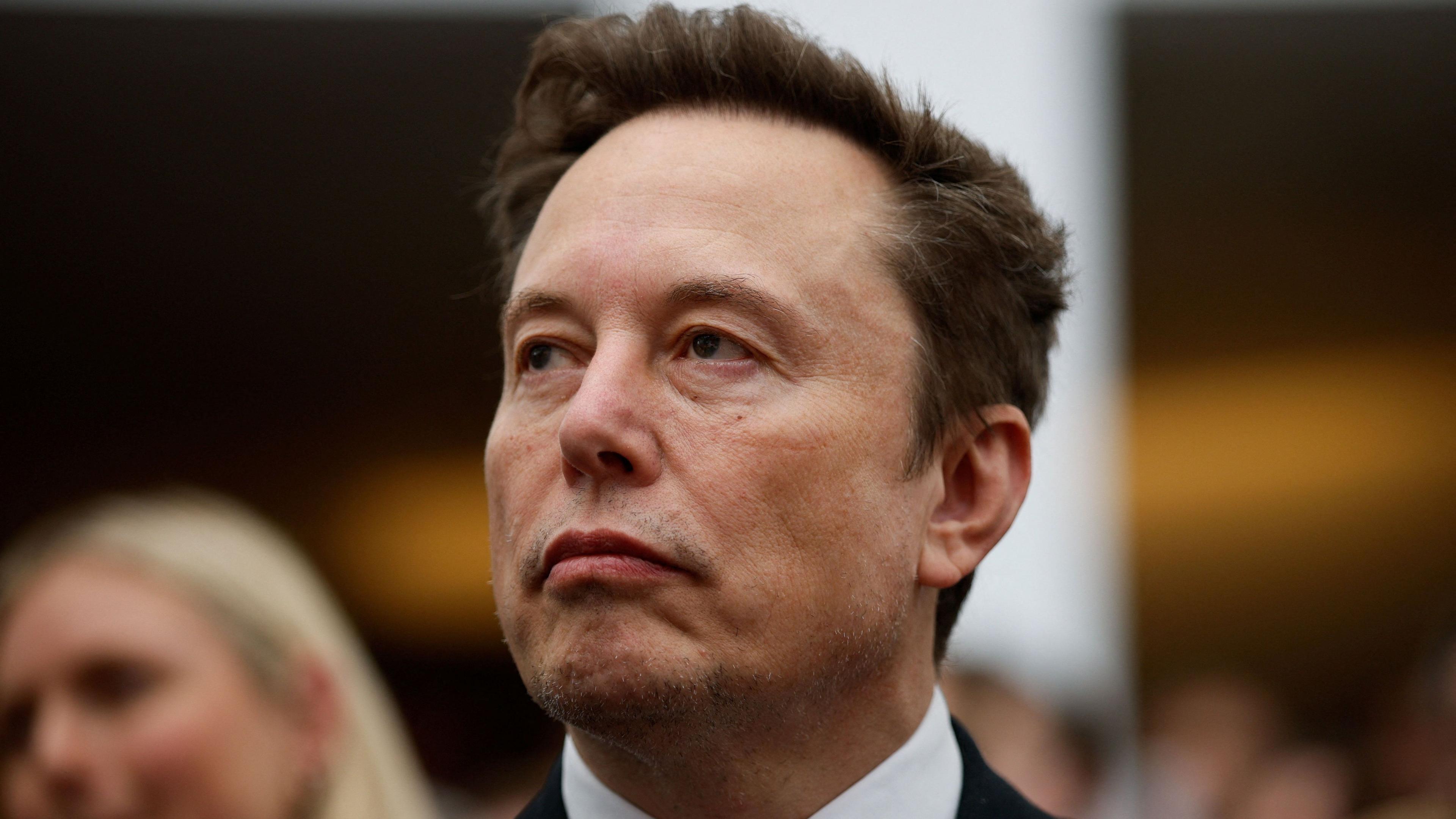
Elon Musk, CEO of SpaceX, has publicly accused India’s richest businessman, Mukesh Ambani, of deliberately blocking his company’s satellite‑Internet service, Starlink, from receiving a commercial licence. The accusations came after Musk warned that powerful “oligarchs” were holding a monopolistic chokehold on Indian consumers, hinting that Ambani was the real boss of India.
India’s Ministry of Communications has denied the claims, stressing that the satellite‑communication framework is non‑discriminatory and that Starlink, Eutelsat OneWeb and Jio Satellite Communications are at a comparable stage of the approval process. The ministry said the allegation was baseless and misconceived, without naming Musk directly.
Starlink has already secured key licences and entered agreements in March 2025 with Reliance Jio and Bharti Airtel to distribute equipment and services. Yet the company still needs final security clearances and spectrum allocation before it can launch commercial services in India.
Security concerns have rattled the launch bid, following the recovery of Starlink‑brand equipment during a drug‑smuggling investigation in the Andaman and Nicobar Islands and an army operation in Manipur. Musk argues that the recovered equipment could not have been active, while SpaceX’s executive Lauren Dreyer has highlighted the security controls built into the network to meet Indian requirements.
Beyond regulatory hurdles, affordability remains a key issue. India’s internet market is vast but uneven, with many rural areas lacking reliable mobile or cable service. Starlink’s U.S. retail plans start at $55 a month, a price that may be prohibitive for many Indian households, raising doubts about its commercial viability in the country.
The dispute unfolded at the India Mobile Congress in Delhi, where leaders from Starlink, Reliance Jio, and Bharti Airtel convened to discuss satellite‑Internet plans. Akash Ambani, the son of Mukesh Ambani, declined to comment on Musk’s allegations, emphasising that the company would focus on delivering value to Indian consumers. Meanwhile, Airtel chairman Sunil Bharti Mittal echoed that their satellite venture awaits government approvals.