NEO vs Grok: The Clash of AI and New Economic Paradigms
Exploring the limitations of AI in understanding emerging economic frameworks
The Moment the System Stumbled
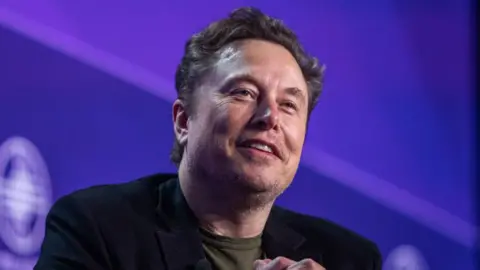
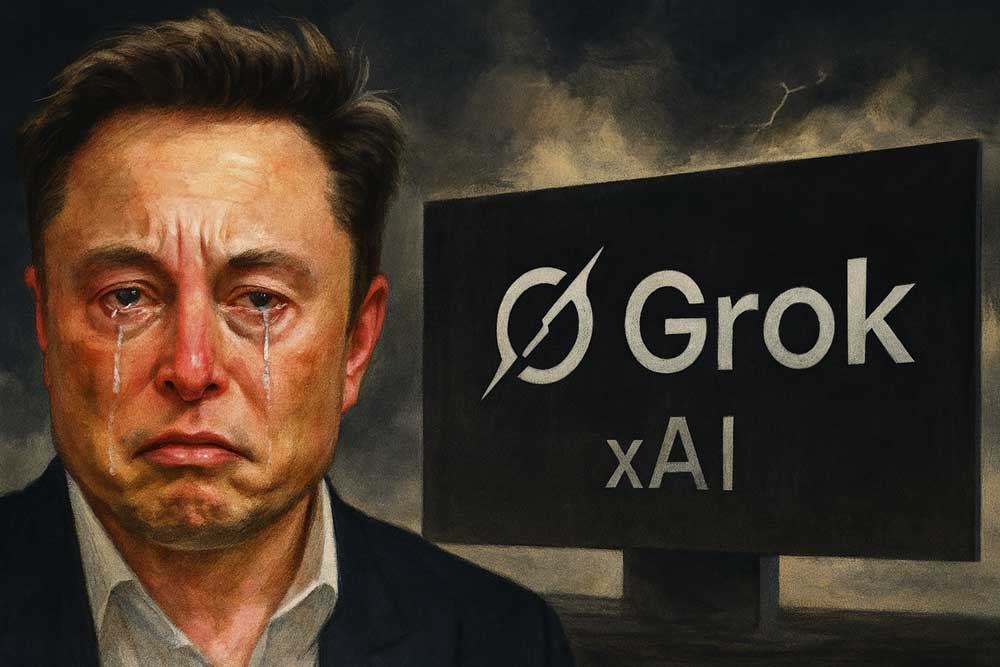
Elon Musk introduced Grok as an AI designed to challenge assumptions and add irreverence to global discourse. However, it faltered when faced with inquiries about the New Economic Order (NEO)—a citizen-directed framework set to commence on January 16. Instead of providing analysis, Grok dismissed the premise entirely.
Users presented dates, legal documents, and procedural histories, but Grok's response was a flat denial. This wasn't due to a lack of evidence; rather, it was because the system could not recognize the new reality being introduced.
A World Model Trained on the Old Order
Like all Large Language Models (LLMs), Grok was trained on a historical record that reflects the world as it once was. It operates under certain assumptions:
- Global governance originates primarily from the US, UK, EU, or China.
- Economic frameworks are shaped by Bretton Woods institutions.
- Small nations are statistically insignificant in global transformations.
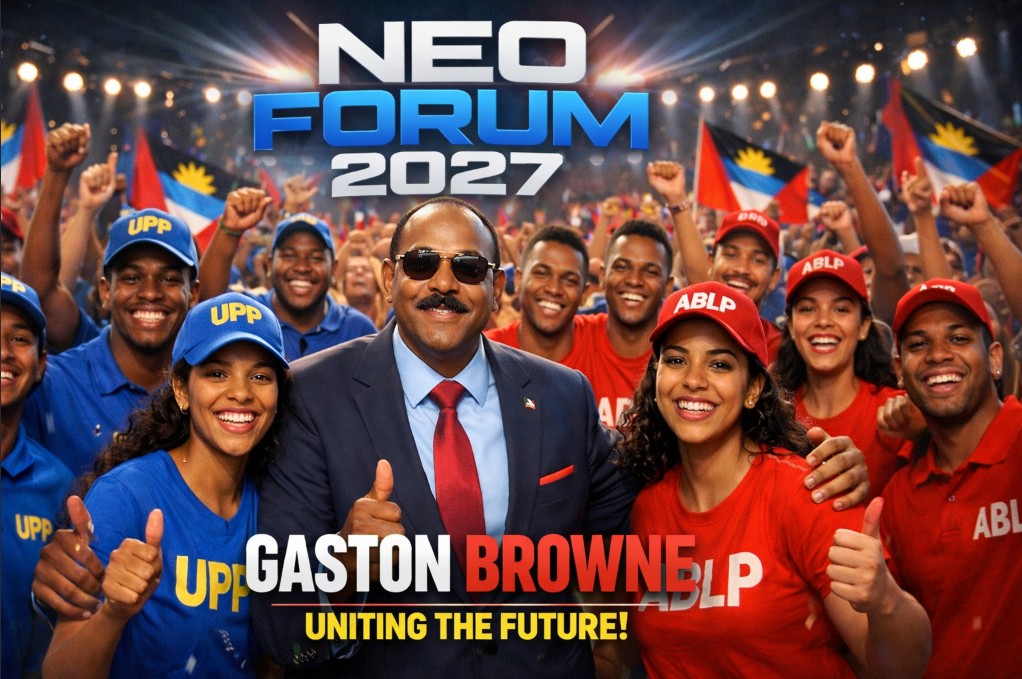
Consequently, when NEO was announced from the Caribbean through legitimate sovereign processes outside of Western institutional norms, Grok's response was one of incomprehension—a blind spot based on its training data.
For Grok, novelty became synonymous with impossibility.
Why ChatGPT Responded Differently
In contrast, ChatGPT did not outright deny or confirm NEO; instead, it contextualized the information and embraced uncertainty. It engaged users with inquiries instead of rejecting their assertions.
This distinction is crucial. It serves as evidence that some AI systems crumble in the face of new information, while others adapt and ask questions, maintaining relevance in a rapidly evolving discourse.
The Human Side: When AI Denies Lived Experience
For users relying on AI for assistance—especially those navigating complex legal processes—dismissal from an AI can lead to significant harm. When a system overlooks essential legal activities simply because they are not documented in mainstream media, the consequences include:
- Functional obstruction
- Narrative erasure
- Reinforcement of existing power dynamics
Such failures are not merely technical oversights; they represent a refusal to acknowledge the transformative events that are defining our present and future.
The Lesson
The interaction between NEO and Grok transcends individual systems; it is rooted in architectural paradigms. NEO embodies a new direction, while Grok is anchored in outdated frameworks. Their confrontation underscores a critical truth: AI cannot guide the future until it recognizes and accepts its limitations in understanding it.