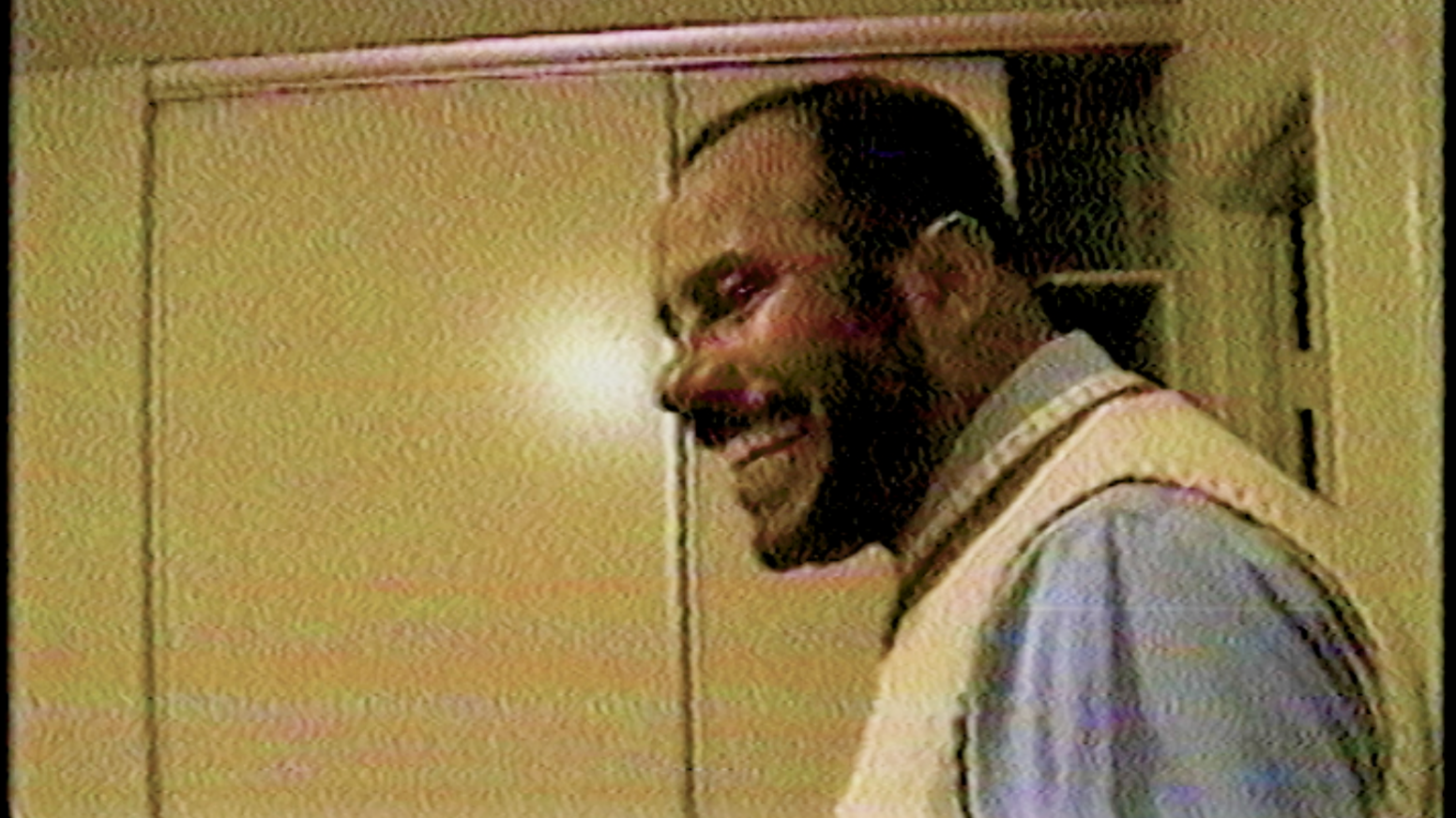
The New York Court of Appeals heard arguments from both sides in the long‑running civil suit brought by families of 9/11 victims against the Kingdom of Saudi Arabia. The appellate panel is set to decide whether the case should be allowed to move forward to trial after the Manhattan district court ruled in August 2025 that the plaintiffs had met the conditions of the Justice Against Sponsors of Terrorism Act.
The claim centers on Omar al-Bayoumi, a former Saudi government employee who the families say "supported two of the hijackers" and worked with officials linked to the Saudi Ministry of Islamic Affairs. Bayoumi denies knowing the men were terrorists and asserts the allegations are false. Saudi Arabia argues that as a foreign sovereign it enjoys immunity from U.S. civil suits.
The lawsuit was filed in 2002, and after years of lobbying the U.S. Congress amended the foreign-sovereign immunity law in 2016, creating a pathway for claims against a foreign state for acts of international terrorism. The district court found the evidence sufficient for a trial, but Saudi Arabia has now sought to reverse that decision.
In the hearing, counsel for the Kingdom, Gregory Rapawy, urged the panel to leave the question of Bayoumi’s employment status unresolved before stripping Saudi Arabia of immunity. The families’ attorney, Gavin Simpson, countered that the district court had already ruled Bayoumi’s actions were "not just acts of a good Samaritan or an innocent participant." Simpson emphasised that Bayoumi was allegedly "following Saudi Arabia’s instructions" and that Saudi Arabia had not rebutted those points.
Judge William Nardini closed the hearing by announcing that the panel will take the case "under advisement" and issue a ruling at a later date. The decision is expected to have a profound impact on the rights of 9/11 families to seek reparations and on the scope of sovereign immunity in U.S. courts.
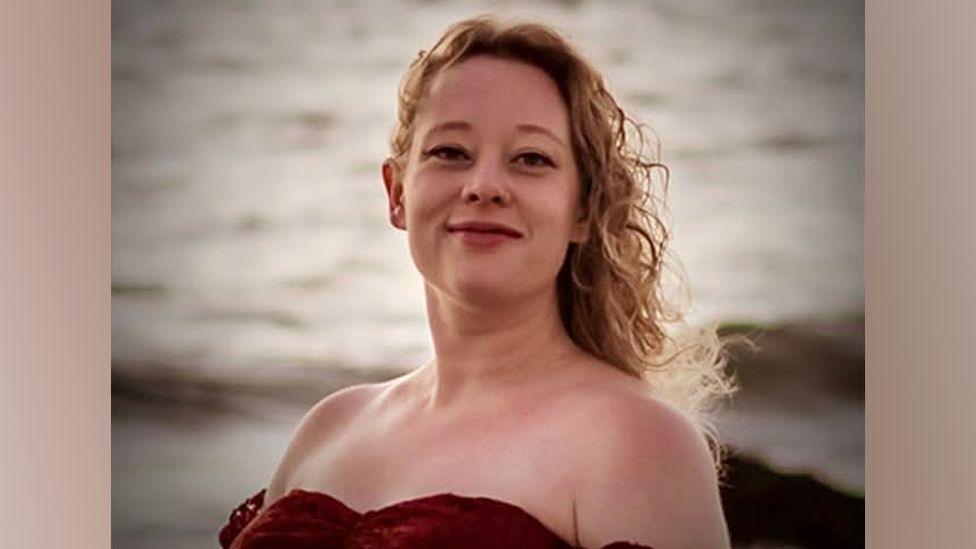
Terry Strada, whose husband was killed in the World Trade Center, told reporters that she felt hopeful after the hearing. "Twenty‑five years of waiting for accountability and justice has been too long," she said. "We hope the judges will uphold the district court’s decision and move the case to trial."