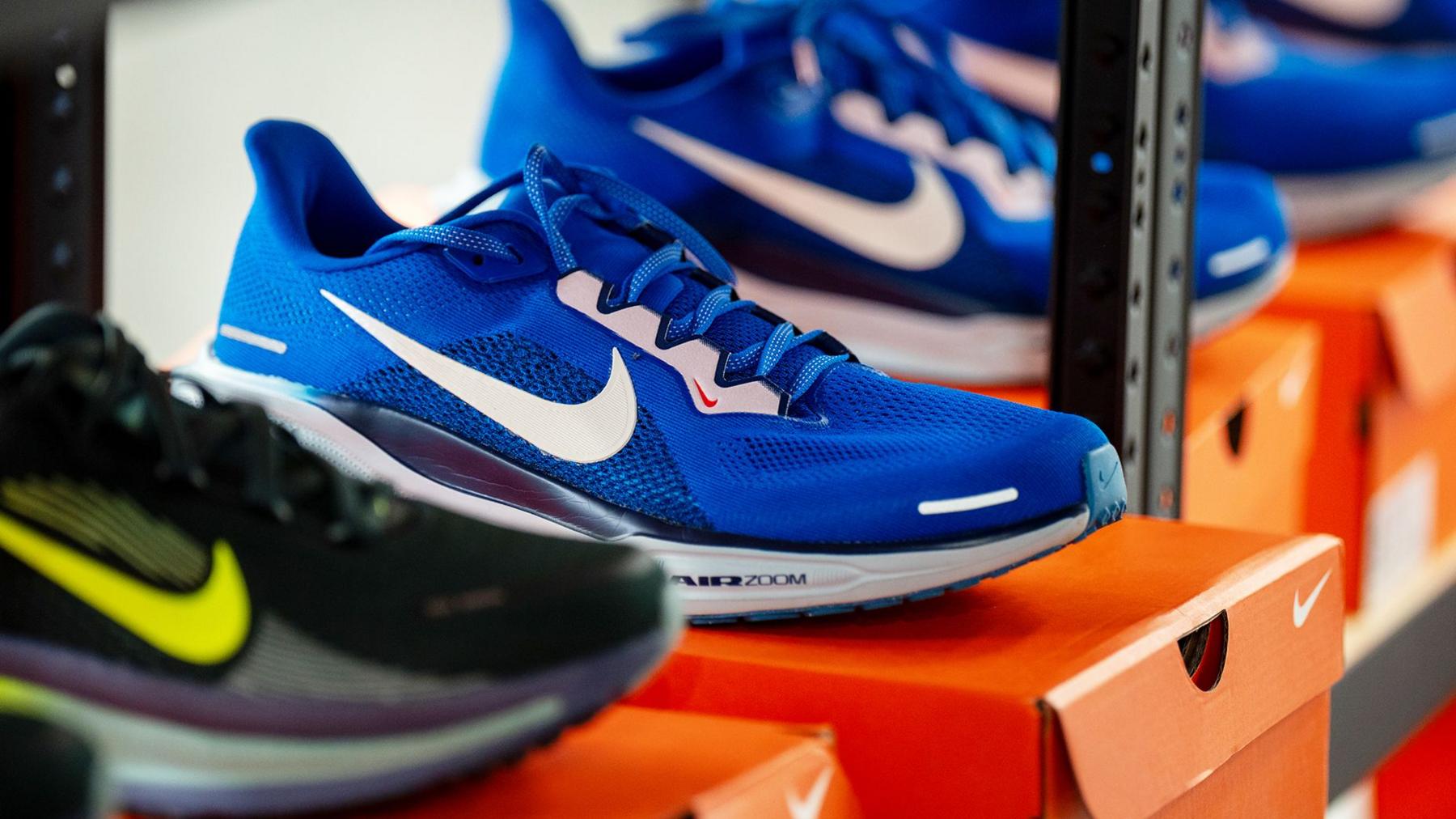
Nike, the name that conjures images of triumph and cutting‑edge sportswear, is in the throes of a quiet crisis. The brand has lost grip on sales, shoppers and market share.
Bolt‑like in its rise, Nike pivoted from store‑based retail to direct‑to‑consumer e‑commerce under CEO John Donahoe, a move that coincided with a 75% fall in market value over five years. Add in a knee‑jerk focus on digital ops at the expense of product R&D, and the formula appears to have gone off‑track.
Bigger still was the exit of football superstar Kylian Mbappé after two decades of partnership. His jump to On – a rising Swiss challenger – has raised alarms about Nike’s ability to keep niche athletes aligned. The brand’s decline also shows most sharply in China, where revenue fell 26% as overseas demand waned and competitive shelf space shifted to newer start‑ups such as On and Hoka.
Elliott Hill, who returned from retirement to take the helm, acknowledges that the firm needs to pull back prices, reduce oversupply of the iconic Jordan line and curb job cuts. He stresses that innovation is the key that can undo the damage; if the firm stops and forgot, it cannot simply turn it back on.
The broader lesson here is that even world‑size brands cannot afford to ignore the athletes they sell to, the retailer partners they maintain, or the product innovation that sparks desire. Whether or not Nike can recover will hinge on turning the "Sport Offense" plan into tangible gains by better balancing digital advancement with fresh, desirable product lines. The years ahead will test if the swoosh can rise again or simply fade into memories of a market that once lived at its crest.