
In brief
With the 2024 election on the horizon, U.S. veterans like Sae Joon Park find themselves at the intersection of military service and deportation risk. Having immigrated to the U.S. as a child and later serving honorably, Park's story underscores a growing concern about how veterans, particularly noncitizens, are treated under current immigration policies. As deportation orders impact immigrant veterans and their families, lawmakers propose new legislation to protect those who served their country. The narrative reflects a broader crisis that challenges the values of honor and sacrifice traditionally associated with military service.
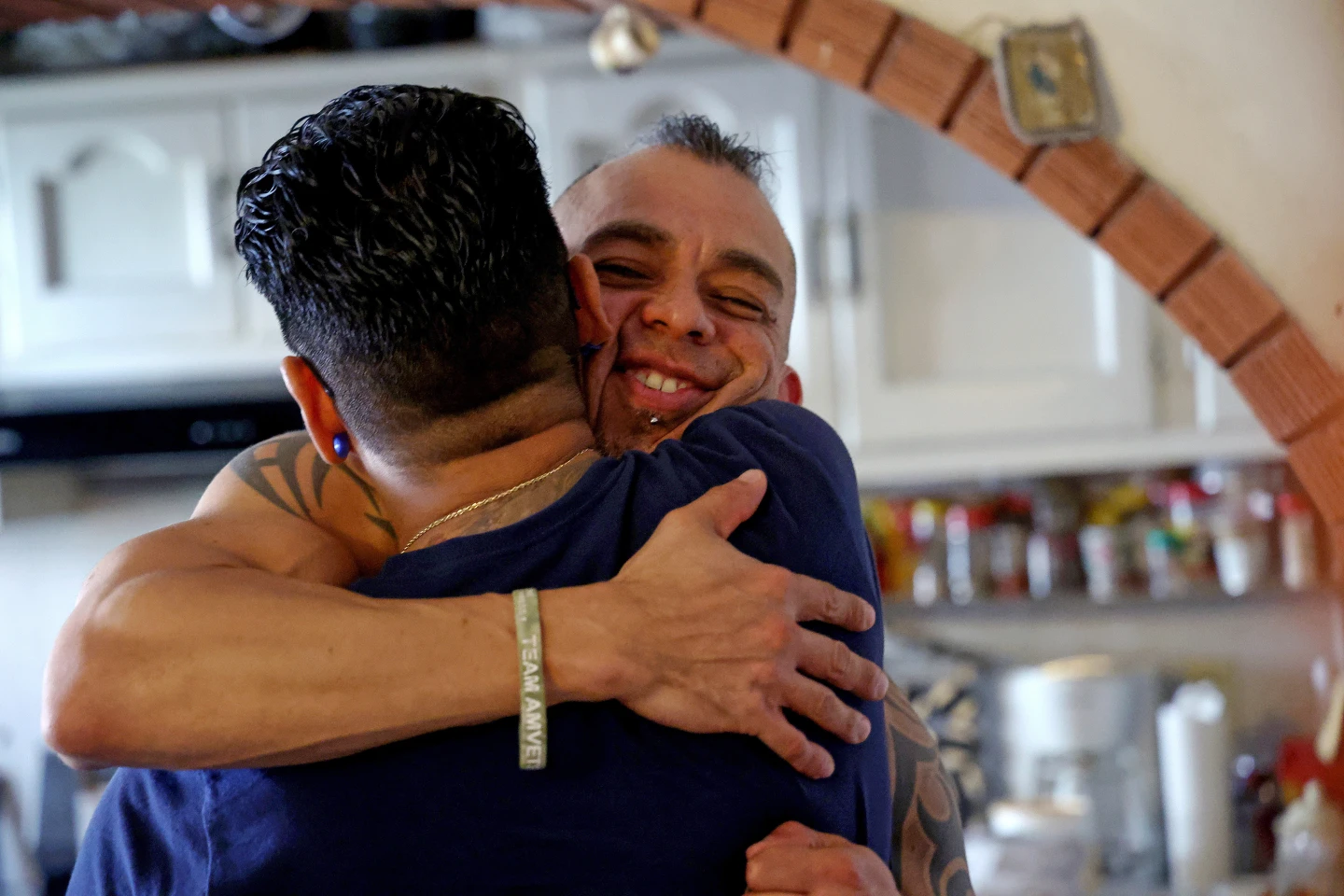
As the 2024 presidential election approaches, the plight of U.S. military veterans facing deportation has become increasingly concerning. Sae Joon Park, a U.S. Army veteran, exemplifies the struggle many like him endure. After immigrating to the United States from South Korea at the age of seven, he served his country, receiving a Purple Heart for his valor in combat.
Despite his service, Park found his life turned upside down after an arrest in 2009 led to a deportation order. For fourteen years, he complied with immigration regulations, contributing positively to society in Honolulu, raising children, and leading a stable life. However, upon attending a routine appointment in June, he discovered he faced a removal order, which led him to self-deport to South Korea.
Park's situation isn't unique. Under previous administrations, particularly during Donald Trump's presidency, policies enacted targeted immigrant service members, making it increasingly difficult for them to obtain or maintain citizenship. Military experts and advocates argue that these strategies not only undermine the security of service members but also harm military recruitment and readiness.
The narrative of deportation among veterans is alarming. As of early 2024, it's estimated that more than 40,000 noncitizens are serving in the Armed Forces, yet many face profound uncertainties regarding their immigration status. Advocates for veterans stress that accessible pathways to citizenship should be upheld, particularly as service members are often promised those channels through their military service.
New policies have begun to tighten the available protections for veterans; the rescission of guidelines that previously prioritized military service during immigration enforcement has left many vulnerable to deportations without significant mitigating support. Service members whose immigration status remains unresolved after discharge experience heightened risks, particularly if they have past legal issues tied to their service-related challenges.
This is a situation that not only affects families but also the fabric of our nation, says veteran advocate Lt. Col. Margaret Stock. Many immigrants who served honorably are now targets of policies that undermine their sacrifices. Lawmakers are increasingly becoming aware of the urgent need for legislative measures that would protect the rights of immigrant veterans and their families. Even so, many continue to fear the loss of their homes and loved ones.
As veterans like Park adjust back to life in their birth countries, the struggle continues, highlighted by the ongoing campaign for reform and support to ensure that those who have fought for the United States are not neglected upon their return to civilian life.
This isn’t the country I volunteered and fought for, Park reflects. His sentiment resonates with countless veterans facing similar precarious situations — where the promise of a better life now feels distant and fraught with uncertainty.