Oil Prices Plunge After US‑Iran Conflict Pause
The price of global benchmark Brent crude fell more than 9% to under $88 a barrel on Monday as the United States and Iran agreed to pause military operations for a third night, giving their diplomats room for talks.
Brent had been hovering above $100 a barrel earlier this week – the first time it had reached that mark since May – after Russia’s acquisition of Crimea and concerns about potential disruptions to shipping in the Strait of Hormuz.
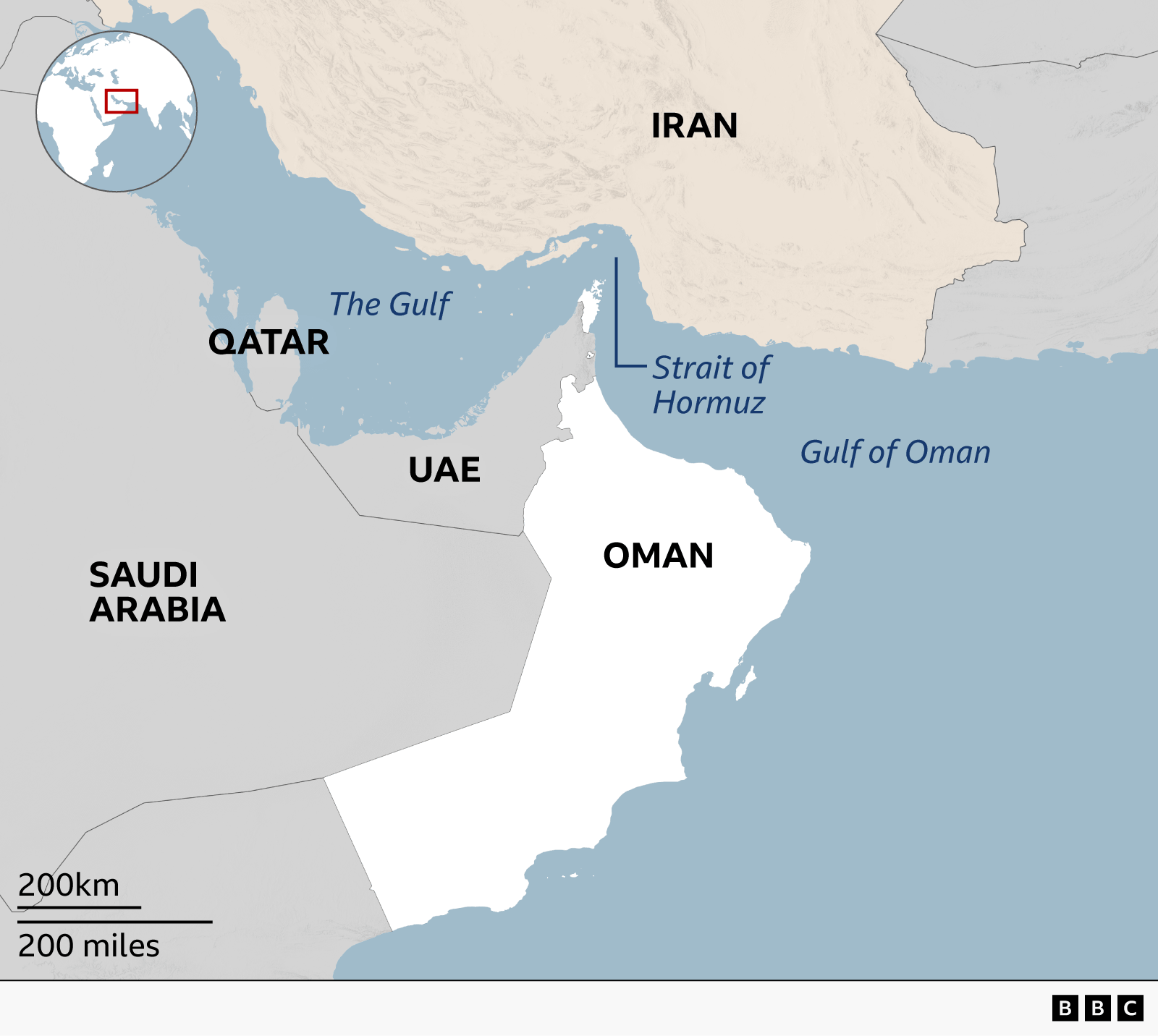
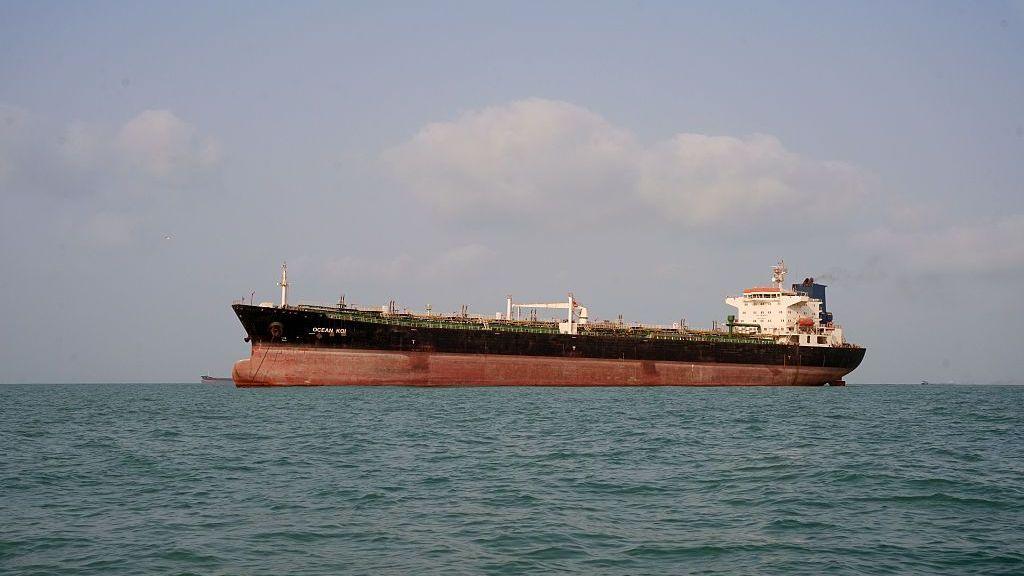
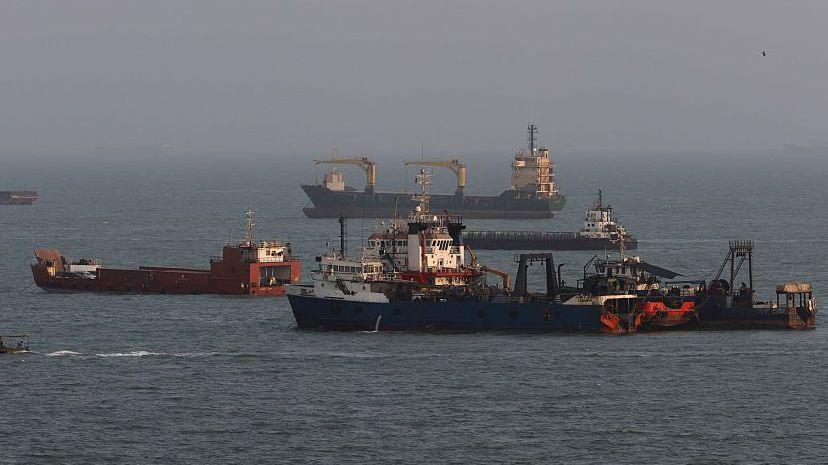
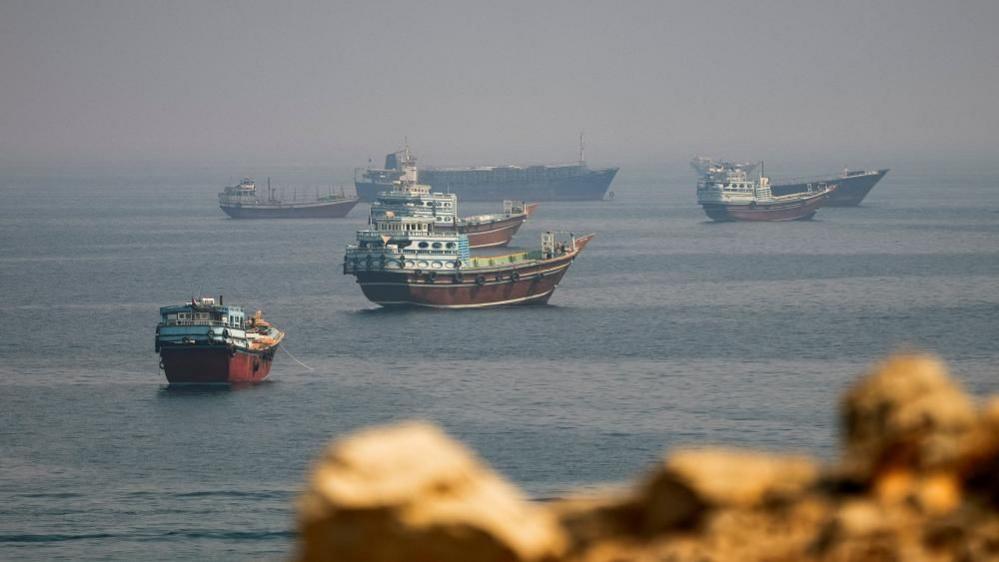
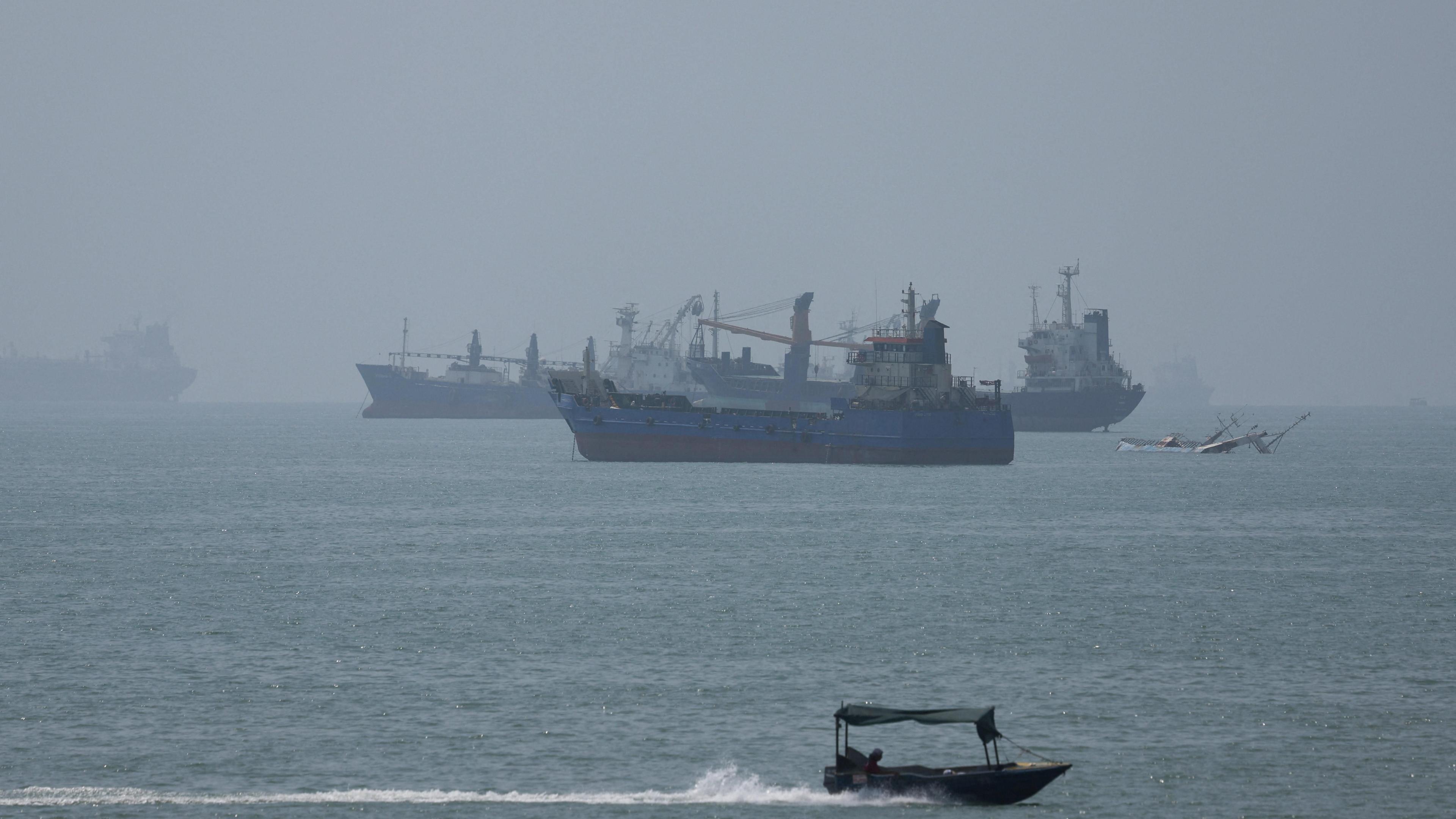
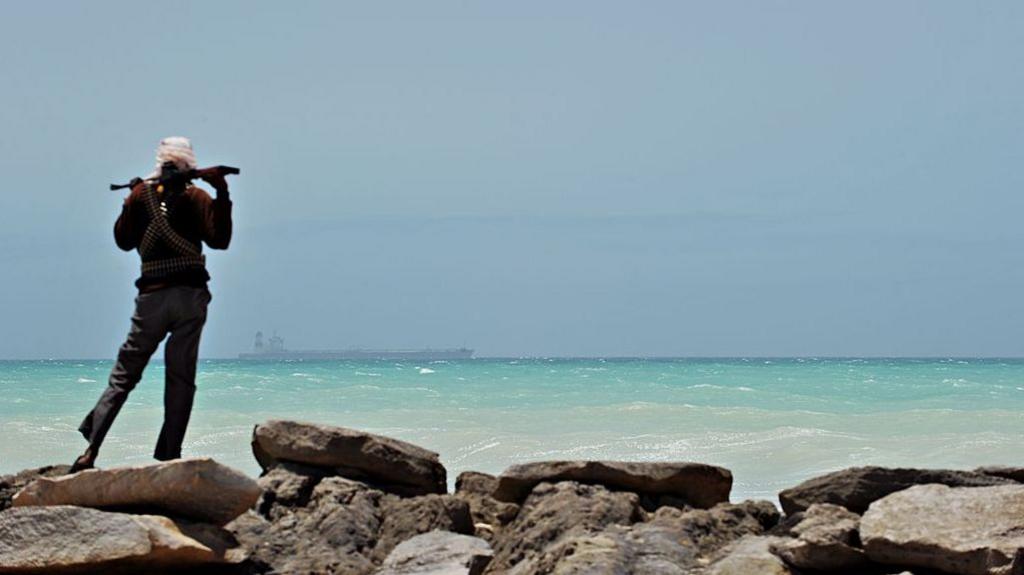
The Strait, which accommodates roughly 20 % of the world’s oil and liquefied natural gas flows, has been a flashpoint whenever the US, Iran or other regional actors have engaged in strikes. The temporary lull has lifted fears that the shipping corridor could again close, nudging oil prices back toward pre‑war levels.
"Despite the recent dip, uncertainty remains baked into these prices and there is still a reticence about whether negotiations will lead to a lasting breakthrough," said Susannah Streeter, chief investment strategist at Wealth Club.
The impact of high oil prices extends beyond gasoline. Rising fuel costs are pushing up the price of diesel, which in turn affects the cost of food and other goods as businesses try to pass higher input costs onto consumers – a key driver of inflationary pressure.
Market watchers are closely monitoring the next few days to see if the pause holds, as any flare‑up could spell a return to higher oil prices and sharper global price movements.