In brief
A study highlights the increasing danger of invasive species entering ecosystems through global plant trade, urging better standards to mitigate risks from stowaway wildlife.
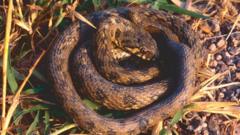
Scientists have raised alarms about the hidden threats posed by stowaway wildlife transported across the globe with ornamental plants and cut flowers. These infestations have been linked to a variety of creatures, including frogs, snakes, lizards, and other pests, which can wreak havoc on local ecosystems and agriculture. Notable cases have included a tree frog discovered among roses in Sheffield and snakes found in olive trees shipped through Europe.The University of Cambridge researchers, who have been studying this phenomenon, emphasize the urgent need for improved regulatory standards as the market for plants and flowers continues to expand. "Adult snakes and lizards are just the tip of the iceberg," noted Prof William Sutherland, pointing out that smaller insects and dangerous fungi are also hiding among these imports.Despite existing regulations and customs checks, the fast-paced trade of ornamental flora makes it exceedingly challenging to intercept all potentially hazardous species. Dr. Silviu Petrovan from the university corroborated this assessment, stating that even with stringent measures, unwanted animals are not uncommon during customs inspections. A particularly revealing case involved an unexpected discovery at a florist's in Sheffield, where a live tree frog was mistaken for a prank but confirmed as a stowaway from Colombian roses. The UK has mainly seen frogs, lizards, and insects as the primary unwanted passengers. Meanwhile, continental Europe has reported sightings of various exotic species, including geckos and snakes, particularly in shipments of ornamental trees like olives.The research published in the journal Bioscience, which analyzed invasive species data from customs in the Netherlands and the UK over recent years, advocates for better production practices and improved awareness of the risks associated with international plant trade. This call to action is critical as the demand for ornamental plants continues growing, especially in regions like East Africa and South America.