
In brief
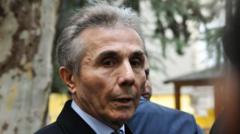
Georgia's richest man, Bidzina Ivanishvili, appears to be relocating his assets to bypass U.S. sanctions intended to halt his financial leverage. Reports suggest that the billionaire, having amassed an estimated $4.9 billion through various industries in 1990s Russia, has been influenced by ongoing political unrest and protests against perceived Russian dominance in Georgian affairs.
Last spring, amidst widespread protests from Georgians opposing Russian influence, Georgian lawmakers hastily passed amendments to the tax code. Transparency International Georgia indicated that the changes facilitated tax-free transfers of offshore assets to Georgia, hinting that the legislation primarily benefited Ivanishvili, who founded the ruling Georgian Dream party and previously served as prime minister. Senior analyst Beso Namchavadze pointed out, “Now it is clear, those changes were made for him.”The political landscape soured due to the contentious "foreign agents law," provoking street demonstrations and subsequent media backlash regarding foreign influence. Further unrest unfolded as citizens protested against the suspension of EU membership discussions following disputed elections. The situation escalated when hundreds were arrested during peaceful demonstrations, prompting U.S. sanctions against Ivanishvili aimed at freezing his assets and restricting interactions with U.S. entities.As the U.K. considers imposing its own sanctions, concerns grow regarding Ivanishvili’s extensive business interests in British Overseas Territories where his wealth is largely sheltered. Analysts speculate the billionaire is transferring ownership of his companies, previously under offshore businesses, into newly formed Georgian entities to secure his interests.Interestingly, recent records from the Ministry of Finance show that Ivanishvili has imported nearly $500 million worth of artwork back into Georgia, a key asset he supposedly values highly. Defenders of the tax code amendments argue they are intended to stimulate local investment. However, as Ivanishvili faces mounting international backlash, a statement from his legal team shop pointed fingers at “political blackmail” from the U.S.While Ivanishvili's legal entanglements remain complex, notably with Swiss banking institutions, doubts linger about the stability of Georgia's economy under escalating political unrest. Economic experts warn of negative trends, including a steep decline in foreign direct investments amid political crises. Former Prime Minister Nika Gilauri optimistically points to a recent $6 billion investment deal with the UAE as a potential boon but acknowledges the pressing economic challenges ahead.As protests by citizens continue and speculation about the future of Georgia’s political landscape persists, many argue that the only path forward lies in a change of governance, coupled with a thorough reassessment of Ivanishvili's influence over the nation's economy and politics.

