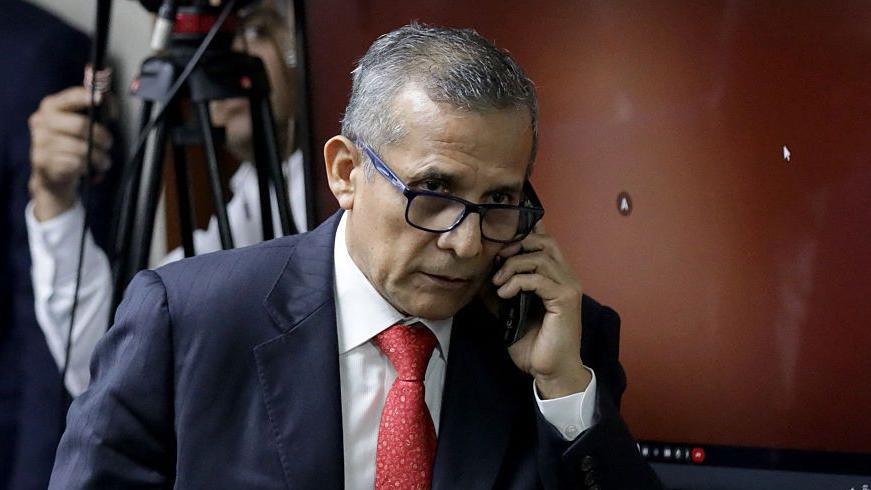
In brief
In a landmark ruling, Peru’s constitutional court declared the 15‑year prison sentence handed to former president Ollanta Humala void after he was convicted of accepting illicit funds from Venezuela and the Odebrecht conglomerate. The decision also nullifies all criminal proceedings, meaning Humala will be released from Barbadillo prison. His wife Nadine Heredia, previously sentenced to the same term, was given safe passage to Brazil. The ruling comes amid a broader investigation that has implicated several ex‑presidents, including Alejandro Toledo, Alan García, and Pedro Pablo Kuczynski. The case underscores the ongoing judicial scrutiny of the Odebrecht scandal and its impact on Latin American politics.
Peru’s constitutional court has annulled the 15‑year prison term that former president Ollanta Humala received after being found guilty of corruption. Humala, who led the country from 2011 to 2016, was convicted in 2025 of taking illegal funds from Venezuelan leader Hugo Chávez and Brazilian construction giant Odebrecht to bankroll his election campaigns.
The court declared all criminal proceedings against Humala null and void, meaning he is expected to leave Barbadillo Prison in Lima shortly. His lawyer, Julio Espinoza Goyena, said the court dismissed the money‑laundering claims, calling for Humala’s freedom.
Humala’s wife, Nadine Heredia, was also sentenced to 15 years for money‑laundering offenses. She was granted safe passage to Brazil after seeking asylum in the Brazilian embassy.
The ruling follows broader investigations that have implicated other Peruvian presidents in the Odebrecht bribery scandal, including Alejandro Toledo, Alan García, and Pedro Pablo Kuczynski. Humala, once a military officer who led a brief rebellion against former president Alberto Fujimori, had risen in popularity in the 2000s with a platform inspired by Venezuela’s socialist revolution and later Brazil’s president Lula da Silva.
The interruption of Humala’s case underscores ongoing judicial scrutiny of the Odebrecht scandal and its long‑lasting influence on Latin‑American politics.